AI for Food & Beverage Distributors: Insurance and Risk Questions Leaders Should Ask
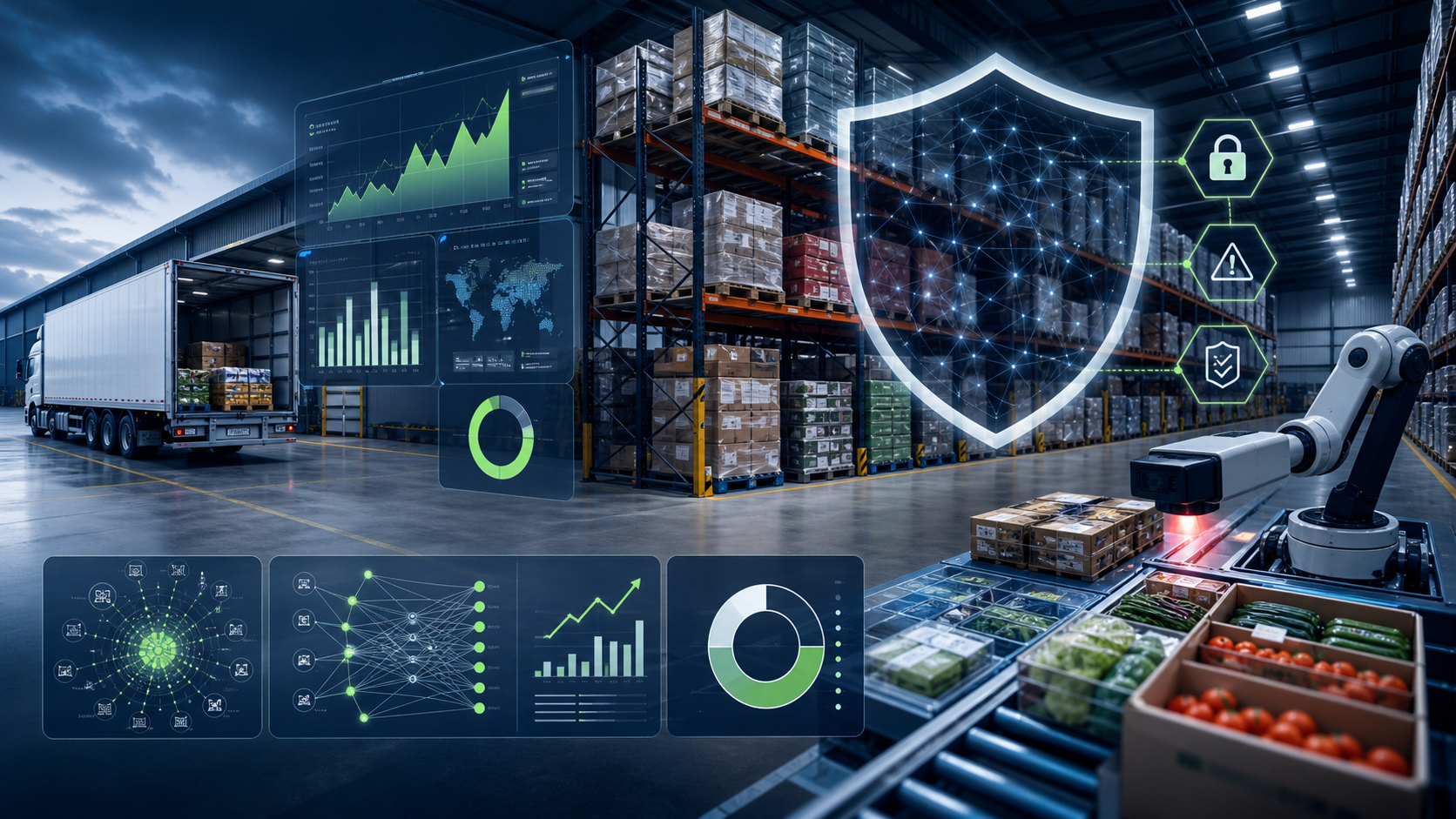
AI can help food and beverage distributors forecast demand, protect margins, reduce waste, and improve service reliability. But every AI project also creates insurance questions around cyber risk, vendor dependency, data quality, operational errors, and business interruption.
Food and beverage distribution is built on timing. Order too little and customers leave. Order too much and inventory spoils or cash gets trapped. Route poorly and drivers, fuel, cargo, and service all suffer. That is why AI tools are attractive: they promise better forecasting, smarter purchasing, faster replenishment, and cleaner working-capital decisions.
CBIZ's article on AI for food and beverage distributors focuses on volatility, margin, service reliability, and working capital. The insurance layer is just as important. If AI becomes part of purchasing, routing, inventory, pricing, or customer communication, leaders need to know what happens when the system is wrong or unavailable.
How does AI change food and beverage distributor risk?
AI changes distributor risk by increasing dependence on data, software vendors, connected systems, and automated recommendations. The upside can be real, but the exposure changes too. A bad forecast can create spoilage. A system outage can interrupt orders. A cyber event can stop routing. A vendor error can ripple through inventory and service commitments.
| AI use case | Business benefit | Insurance question |
|---|---|---|
| Demand forecasting | Less waste and better fill rates | Who is responsible for a costly forecast error? |
| Route optimization | Lower fuel, fewer delays | Does cyber or auto coverage address system disruption? |
| Inventory automation | Faster replenishment | Could an error create uninsured spoilage or stock loss? |
| Customer analytics | Better service and pricing | Is customer data protected properly? |
What coverages should leaders review before using AI?
- Cyber liability: Review system outage, data breach, ransomware, vendor events, and dependent business interruption terms.
- Technology contracts: Understand vendor liability caps, service obligations, data ownership, and indemnity language.
- Business income: Ask whether a software outage can create a covered loss.
- Inventory and spoilage: Confirm how errors, interruptions, and temperature events are handled.
- Management controls: Keep human review on high-dollar decisions.
Practical test: Before relying on an AI tool, ask what happens if it is unavailable for 48 hours during peak demand. The answer should involve operations, finance, IT, and insurance.
Why independent brokers matter when technology changes operations
AI is not just a technology purchase. It can change inventory, contracts, cyber exposure, vendor dependency, auto routing, and business income risk. An independent broker can help coordinate the insurance review across those moving parts.
iConn Insurance Solutions helps Connecticut businesses review coverage as operations evolve. Together with Insure Connecticut LLC, we help owners compare options with a practical view of risk.
Frequently Asked Questions About AI and Distributor Insurance
Does cyber insurance cover AI system failures?
It depends on the policy. Some cyber policies include system interruption or dependent business interruption, while others are narrower. Review wording before relying on coverage.
Can AI reduce food distributor insurance costs?
AI may support better risk performance if it reduces waste, improves routes, strengthens controls, and documents decisions. Premium impact depends on loss history, carrier appetite, and proof of results.
What is the biggest AI risk for distributors?
The biggest risk is often overreliance. If leaders trust outputs without data checks, vendor review, or human oversight, one bad recommendation can affect inventory, cash flow, customer service, and claims.
Should AI vendors be reviewed by insurance advisors?
Yes. Vendor contracts can limit liability and shift responsibility back to the distributor. Insurance advisors can help identify contract terms that may create uncovered exposure.
If your distribution business is adding AI tools, contact iConn Insurance Solutions before the technology becomes mission-critical.
Sources and Further Reading
Contenido relacionado
AI Payment Fraud Incident Response: What to Do First
The first hour after a fraudulent wire can decide whether funds are frozen or lost. Follow this practical response guide for banks, insurers, evidence, law enforcement, and recovery.
Leer artículo →
Hotel and Commercial Property Insurance: Where Should Renewal Savings Go?
A practical guide for hotel and commercial-property owners deciding whether to keep renewal savings, lower deductibles, increase limits or restore coverage.
Leer artículo →AI Fraud Insurance Exclusions: Where Coverage Can Break
A large cyber limit can hide a small social engineering sublimit. Learn how voluntary-transfer language, verification conditions, and overlapping crime coverage can affect AI fraud claims.
Leer artículo →
Connecticut Builders Risk Insurance: 2026 Buyer’s Guide
Connecticut builders risk buyers should update project values, timelines and controls. Learn what to prepare and compare for a 2026 placement.
Leer artículo →