
Inventory Insurance for Food & Beverage Companies: How to Protect True Replacement Cost
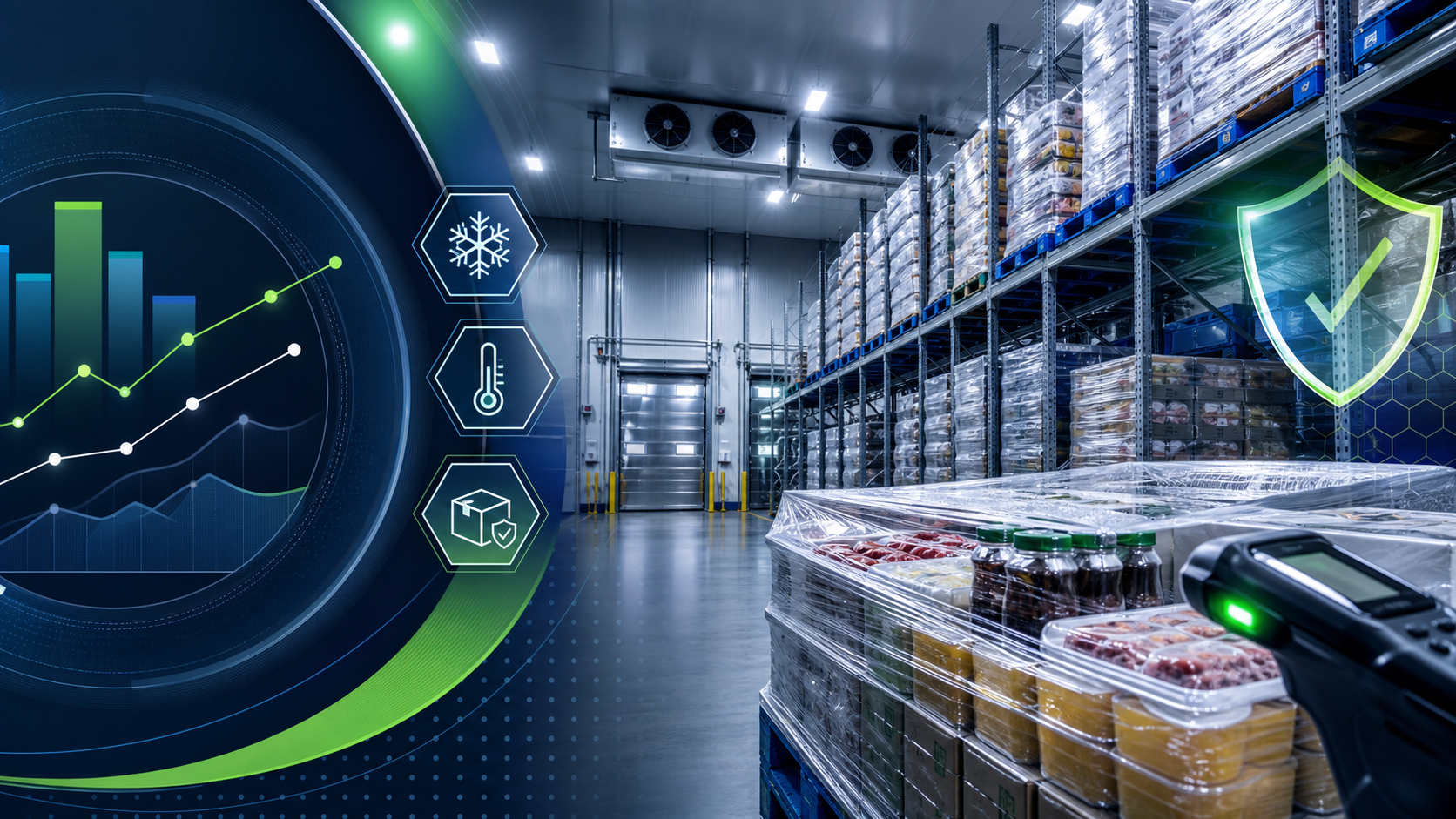
Inventory insurance for food and beverage companies should reflect the true cost to replace product, not just last month's accounting value. Raw materials, packaging, labor, freight, refrigeration, seasonal peaks, work in progress, and finished-goods margin can all affect how much coverage is needed.
Inventory is where food and beverage risk becomes tangible. It is not just product on a shelf. It is ingredients, packaging, labor, cold storage, quality control, freight, fuel, seasonality, and customer commitments. If a loss happens, the question is not only what the inventory cost yesterday. The question is what it will cost to make the business whole today.
CBIZ's inventory and insurance article makes an important point for food and beverage leaders: coverage should follow inventory through the full lifecycle, from inputs and work in progress to finished goods and customer delivery. That is exactly the kind of issue that can leave a Connecticut business short after a spoilage, warehouse, or transit loss.
How should food and beverage companies insure inventory?
Food and beverage companies should insure inventory based on realistic replacement cost and exposure at each stage of the supply chain. That means reviewing raw materials, packaging, freight, duties, labor, overhead, quality-control cost, finished goods, selling price valuation, and peak inventory periods.
| Inventory stage | Common blind spot | Insurance question |
|---|---|---|
| Raw materials | Supplier price spikes and freight | Would current limits replace today's cost? |
| Work in progress | Labor, energy, and overhead already added | Does coverage include work content? |
| Finished goods | Expected profit left uninsured | Is selling price valuation available? |
| Seasonal peaks | Average values hiding peak exposure | Are monthly values reported accurately? |
Why do averages create coverage problems?
Averages are comfortable, but food and beverage losses happen on real dates. If a holiday production run, summer beverage spike, or restaurant-supply surge doubles inventory, an average monthly value may not be enough. A refrigeration failure during the peak can create a loss that looks much larger than the value used to set the policy.
Leaders should also review coinsurance provisions, reporting requirements, off-site storage, transit coverage, and how customer-owned or vendor-managed inventory is handled. The policy should match the way goods actually move.
What documentation helps after a spoilage or stock loss?
- Temperature logs and sensor data
- Batch, lot, and production records
- Supplier invoices and freight records
- Monthly inventory declarations
- Warehouse receipts and contracts
- Photos, incident timelines, and quality-control notes
Advisor note: If you would need the records after a loss, do not wait until the loss to organize them. The best claim file is built before anything goes wrong.
Why independent brokers matter for inventory-heavy businesses
An independent broker can compare carriers, review valuation options, coordinate property and cargo coverage, and help identify gaps between accounting value and insurable exposure. iConn Insurance Solutions helps Connecticut food and beverage companies review these details before renewal.
Together with our sister agency Insure Connecticut LLC, we help business owners connect coverage to real operating risk.
Frequently Asked Questions About Inventory Insurance
Does inventory insurance cover spoilage?
Spoilage may be covered if the policy includes the right causes of loss, limits, equipment breakdown terms, and refrigeration or utility interruption provisions. Business owners should verify wording before assuming spoilage is included.
Should inventory be insured at cost or selling price?
It depends on the policy and business model. Cost valuation may miss labor, overhead, and expected profit. Selling price valuation can better protect ready-to-ship finished goods when available and appropriate.
How often should food companies update inventory limits?
Review limits before renewal, before seasonal peaks, after supplier cost changes, when adding storage locations, and whenever production volume or product mix changes materially.
Does property insurance cover inventory in transit?
Not always. Product in transit may require cargo or inland marine coverage, depending on who owns the goods, who transports them, and when risk transfers under the contract.
If your inventory values have changed, contact iConn Insurance Solutions for a practical coverage review.
Sources and Further Reading
Contenido relacionado
AI Payment Fraud Incident Response: What to Do First
The first hour after a fraudulent wire can decide whether funds are frozen or lost. Follow this practical response guide for banks, insurers, evidence, law enforcement, and recovery.
Leer artículo →
Hotel and Commercial Property Insurance: Where Should Renewal Savings Go?
A practical guide for hotel and commercial-property owners deciding whether to keep renewal savings, lower deductibles, increase limits or restore coverage.
Leer artículo →AI Fraud Insurance Exclusions: Where Coverage Can Break
A large cyber limit can hide a small social engineering sublimit. Learn how voluntary-transfer language, verification conditions, and overlapping crime coverage can affect AI fraud claims.
Leer artículo →
Connecticut Builders Risk Insurance: 2026 Buyer’s Guide
Connecticut builders risk buyers should update project values, timelines and controls. Learn what to prepare and compare for a 2026 placement.
Leer artículo →