Non-Alcoholic Beverage Growth: Insurance Risks Brands Should Plan For
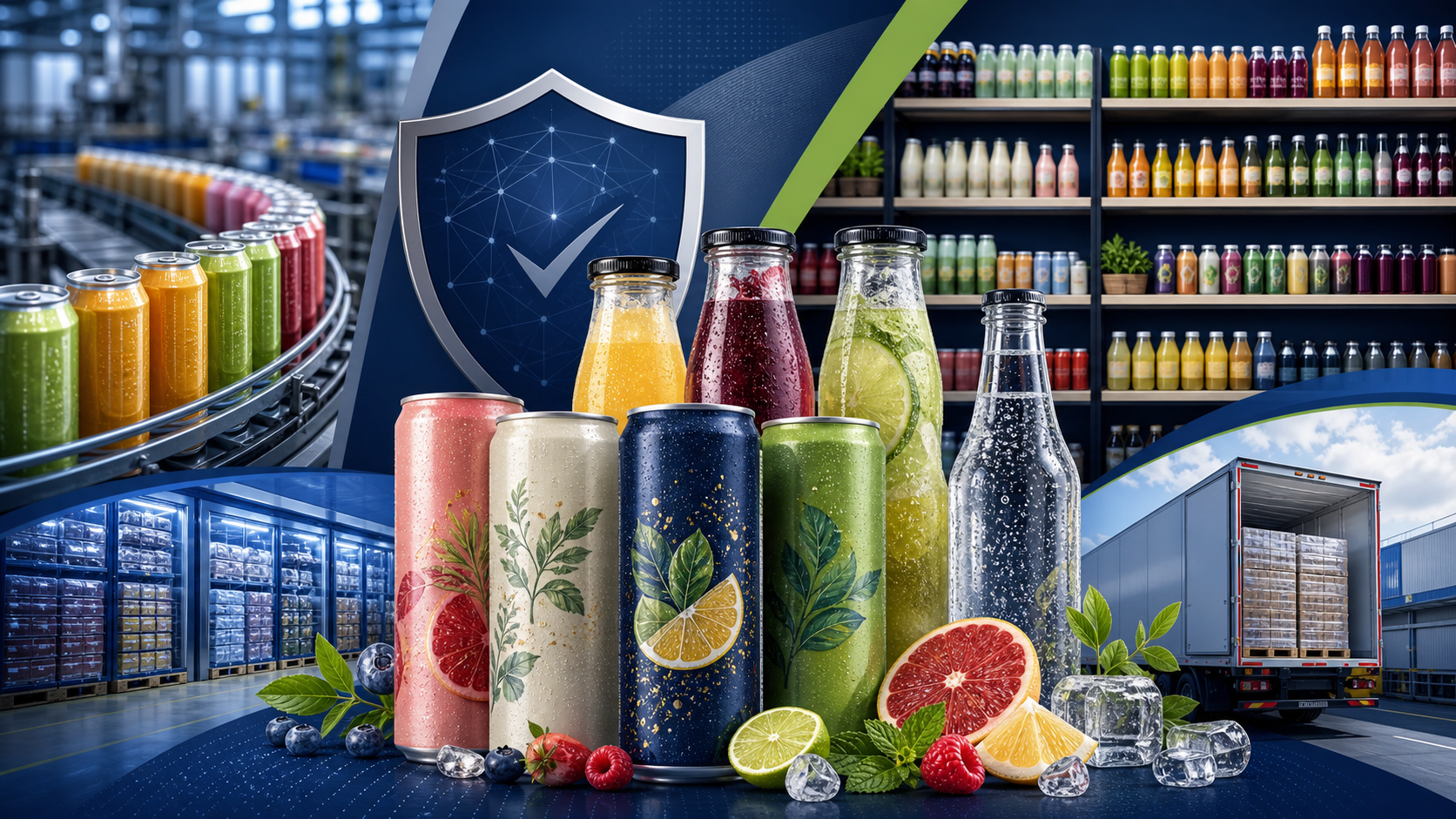
Non-alcoholic beverage growth creates insurance risks that many brands underestimate. Product liability, recall planning, contract requirements, cargo controls, labeling, co-packing agreements, and distributor relationships should be reviewed before a promising product becomes a high-exposure business.
The non-alcoholic beverage category is no longer just a seasonal wellness story. It is a serious growth lane for beverage entrepreneurs, established alcohol brands, restaurants, retailers, and distributors. Forbes contributor Louis Biscotti recently described non-alcoholic beverages as a mainstay, not a passing trend, pointing to changing consumer behavior and broader category innovation.
That growth is exciting. It also changes the insurance conversation. A small-batch functional drink sold at local markets has one risk profile. A shelf-stable canned beverage produced by a co-packer, stored at a third-party warehouse, and distributed across state lines has another. When a brand grows faster than its risk management plan, the first serious problem can be expensive.
What insurance do non-alcoholic beverage brands need?
Most non-alcoholic beverage brands should review product liability, general liability, product recall, commercial property, cargo or inland marine, commercial auto, cyber, umbrella, workers compensation, and directors and officers coverage if outside investors are involved. The right program depends on who manufactures the product, who owns inventory, where it is stored, how it is delivered, and what contracts require.
This is where many founders get surprised. A retailer may require specific limits and additional insured wording. A co-packer may shift responsibility through an indemnity clause. A distributor may require proof of coverage before onboarding. A lender or investor may ask whether recall coverage exists. Insurance becomes part of getting access to growth.
Why does category growth increase risk?
Growth increases risk because scale exposes weak systems. A label mistake that affects 300 bottles is inconvenient. A label mistake that affects 300,000 cans in multiple states can threaten the company. A temperature issue in one local cooler is manageable. A warehouse or transit issue across several accounts can create disputes, spoilage, and reputational damage.
The U.S. Census Bureau continues to track food service and retail sales growth, while consumer price and food cost data from the Bureau of Labor Statistics shows why buyers and consumers remain price sensitive. Beverage brands are trying to innovate in a market where retailers want reliable supply, consumers want value, and mistakes travel fast.
| Growth decision | Risk created | Insurance question |
|---|---|---|
| Using a co-packer | Shared responsibility for quality and contamination | Who is responsible if a batch is recalled? |
| Entering retail | Contract limits, indemnity, chargebacks, and compliance | Do policy limits meet retailer requirements? |
| Adding functional ingredients | Labeling, health claims, allergic reactions, and regulatory review | Are product liability and recall terms broad enough? |
| Expanding distribution | Cargo damage, spoilage, and custody disputes | Who covers product while in transit or storage? |
What should beverage founders review before launch?
- Contracts: Review co-packer, distributor, retailer, and warehouse agreements before signing.
- Labels and claims: Make sure product claims, ingredients, allergens, and warnings are reviewed by qualified advisors.
- Recall plan: Know who decides, who pays, who communicates, and how affected product is tracked.
- Inventory values: Update coverage as production runs, storage locations, and finished-goods values change.
- Delivery model: Separate owned vehicles, hired carriers, and distributor-controlled transit.
Counterintuitive point: The riskiest moment is not always launch day. It is often the first major retail win, when the company says yes to larger volume before its insurance, contracts, quality controls, and cash flow are ready.
How should brands think about product recall coverage?
Product recall coverage is often misunderstood. General liability may respond to certain injury or damage claims, but recall expenses can involve notification, shipping, disposal, testing, crisis communication, replacement product, and lost income. A beverage brand should understand what is covered, what is excluded, and what triggers the policy.
The best recall plan is written before anyone needs it. It should match the supply chain: ingredient suppliers, production lots, co-packers, storage facilities, distributors, retail accounts, and online sales. Without traceability, a recall can become wider and more expensive than necessary.
Why independent brokers matter for emerging beverage brands
Non-alcoholic beverage brands need insurance advice that understands growth stages. A company may start with local events, then add e-commerce, then wholesale, then retail, then multi-state distribution. Each step changes the coverage conversation. A direct carrier may not help you think through that roadmap.
iConn Insurance Solutions helps Connecticut food and beverage businesses review coverage as operations change. Together with our sister agency Insure Connecticut LLC, we help owners compare options and avoid surprises before a buyer, lender, or distributor asks for proof.
Key takeaways
- Non-alcoholic beverage growth creates product liability, recall, cargo, contract, and cyber exposures.
- Co-packer and distributor agreements should be reviewed before a brand relies on them.
- Retail growth can create new insurance requirements quickly.
- Founders should update coverage before scaling production or entering larger channels.
Frequently Asked Questions About Non-Alcoholic Beverage Insurance
How much does insurance cost for a beverage startup?
Cost depends on revenue, ingredients, claims history, production method, distribution footprint, limits, contracts, and whether recall coverage is included. A local direct-to-consumer brand may look very different from a multi-state retail brand.
Do non-alcoholic drinks still need product liability insurance?
Yes. Non-alcoholic does not mean no risk. Contamination, allergens, labeling errors, ingredient reactions, packaging failures, and quality issues can still create product liability claims.
Does a co-packer's insurance protect my brand?
Not completely. A co-packer may carry insurance, but your brand still needs its own coverage and should review contract language, additional insured status, indemnity obligations, recall responsibility, and quality-control terms.
When should a beverage company review insurance?
Review coverage before signing a retailer, distributor, warehouse, or co-packer agreement; before increasing production; before entering new states; and before adding functional ingredients or new product claims.
If your non-alcoholic beverage brand is growing, contact iConn Insurance Solutions to review your insurance program before the next big account changes your risk profile.
Sources and Further Reading
Contenido relacionado
AI Payment Fraud Incident Response: What to Do First
The first hour after a fraudulent wire can decide whether funds are frozen or lost. Follow this practical response guide for banks, insurers, evidence, law enforcement, and recovery.
Leer artículo →
Hotel and Commercial Property Insurance: Where Should Renewal Savings Go?
A practical guide for hotel and commercial-property owners deciding whether to keep renewal savings, lower deductibles, increase limits or restore coverage.
Leer artículo →AI Fraud Insurance Exclusions: Where Coverage Can Break
A large cyber limit can hide a small social engineering sublimit. Learn how voluntary-transfer language, verification conditions, and overlapping crime coverage can affect AI fraud claims.
Leer artículo →
Connecticut Builders Risk Insurance: 2026 Buyer’s Guide
Connecticut builders risk buyers should update project values, timelines and controls. Learn what to prepare and compare for a 2026 placement.
Leer artículo →