Do Marine Detailers Need Commercial Auto Insurance?
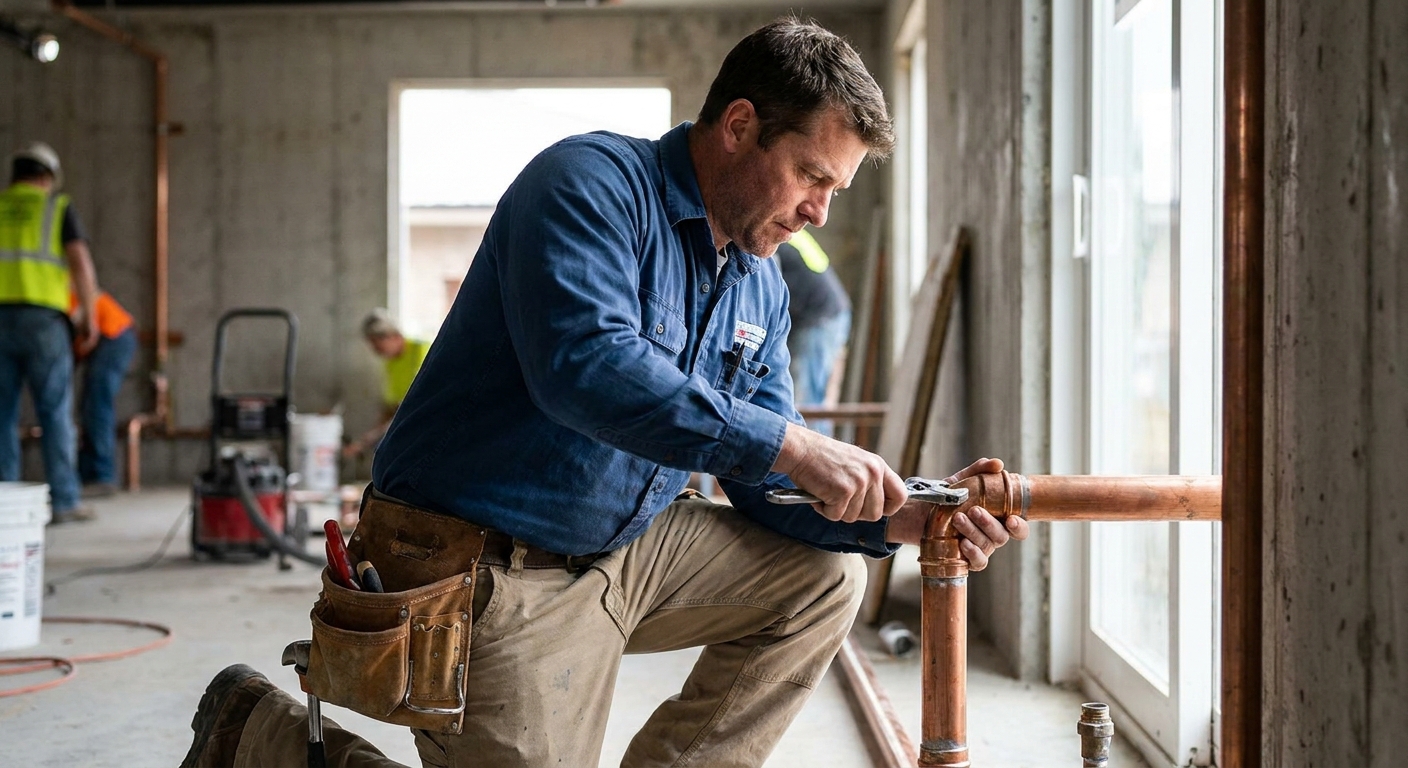
Many marine detailers are mobile by design. The shop is a van, the supply room is a trailer, and the workday might move from a shoreline marina to a boatyard to a customer's driveway. That flexibility creates opportunity, but it also changes the insurance conversation.
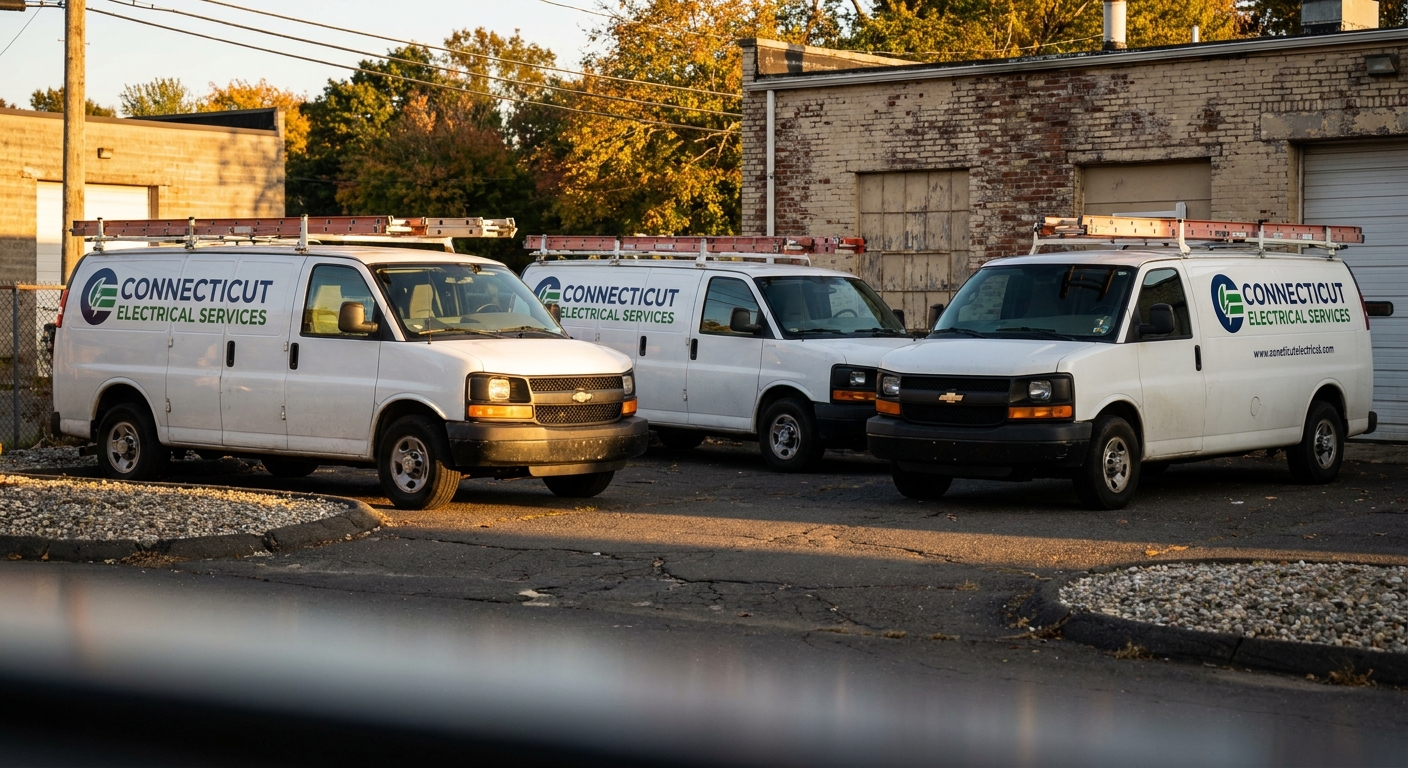
What insurance covers mobile equipment for marine detailers?
Marine detailers often need inland marine or equipment coverage for tools that travel, plus commercial auto coverage for business vehicle use. A basic property policy or personal auto policy may not fully protect mobile equipment, supplies, or work vehicles.
This article supports the main ship detailing business insurance guide by focusing on the moving parts: vehicles, tools, storage, and jobsite transport.
Why mobile tools need special attention
Polishers, extractors, generators, pressure washers, vacuums, ladders, hoses, ceramic products, and chemical inventory can add up quickly. If those items are stolen from a van, damaged in transit, or lost at a marina, ordinary business property coverage may not respond the way the owner expects.
Inland marine coverage is often used for business property that moves. The name sounds like boat insurance, but in business insurance it commonly refers to property away from a fixed location.
Why commercial auto matters
A personal auto policy is usually not built for daily business travel, equipment hauling, employee driving, or branded vans. If the vehicle is central to the operation, the insurance should reflect business use. This is especially important when employees drive, when trailers are attached, or when the vehicle carries high-value equipment.
Questions to ask about tools and vehicles
- Are tools covered away from the main business address?
- Are items covered inside an unattended vehicle?
- Is theft from a trailer handled differently than theft from a shop?
- Are employees or helpers listed correctly as drivers?
- Does the policy cover rented or borrowed vehicles?
How much does mobile equipment insurance cost?
Cost depends on the value of the tools, where they are stored, theft exposure, deductibles, claim history, and whether equipment is kept in a van, trailer, shop, or marina storage area. A detailer with a few hand tools has a different risk than a two-crew operation carrying generators, extractors, polishers, ladders, and chemicals along the Connecticut and Rhode Island coast.
What can go wrong if you rely on personal auto?
A personal auto policy may not be priced or written for commercial use. If the van is wrapped with your business name, loaded with detailing equipment, driven by employees, or used to visit marinas every day, the carrier may view the exposure differently. The painful lesson is usually learned after an accident, not when the premium is paid.
Equipment coverage versus commercial auto: what is the difference?
Commercial auto addresses the vehicle liability and physical damage questions. Equipment coverage addresses the tools and business property that travel in or with the vehicle. You may need both. A van policy does not automatically mean every buffer, generator, vacuum, and chemical supply inside the van is protected at replacement value.
Who needs this most?
This matters most for mobile marine detailers who travel between marinas in places like Old Saybrook, Mystic, Newport, Warwick, Narragansett, Stamford, and the lower Connecticut River. If the business cannot operate without the van and tools, then the van and tools are not side items. They are revenue-producing assets.
When is a basic setup enough?
A very small owner-operated business with low equipment values and no employees may not need the same structure as a multi-crew operation. That said, "basic" should still be intentional. The owner should know what is covered, where it is covered, and what happens if the vehicle or equipment is unavailable for a week.
What happens if the van is down for a week?
This is the question many owners forget to ask. If the van is stolen, damaged, or unavailable, the business may lose more than the vehicle. It may lose scheduled marina jobs, customer trust, and seasonal revenue. Business interruption is not always automatic, especially for mobile operations, so the owner should ask how downtime is handled.
What equipment should be listed?
- Polishers, buffers, pads, and extension cords.
- Extractors, vacuums, generators, and pressure washers.
- Ladders, scaffolding, hoses, reels, and water tanks.
- Ceramic coating inventory, compounds, waxes, and specialty cleaners.
- Tablets, phones, scheduling equipment, and payment devices.
- Trailers, racks, storage boxes, and security equipment.
Replacement cost versus actual cash value
A replacement cost policy is different from a policy that pays depreciated value. If a three-year-old extractor is stolen, the difference can matter. Owners should ask whether tools are valued at replacement cost, actual cash value, stated value, or another method. The cheapest option may leave the business short when it has to replace equipment quickly.
What are the common buying mistakes?
The biggest mistake is buying coverage based on the value of yesterday's tools instead of today's operation. Another mistake is forgetting about overnight storage. A third is failing to disclose employee drivers. A fourth is assuming a trailer is automatically covered because the truck is covered. Each assumption can be tested with a simple question before a claim happens.
What is the Connecticut and Rhode Island coast angle?
Mobile detailers along the shoreline may cover long routes between marinas, yacht clubs, boatyards, and customer docks. A crew might work Mystic one day and Newport the next. That kind of movement should be reflected in garaging, radius, drivers, equipment storage, and state exposure.
Best next step for mobile operators
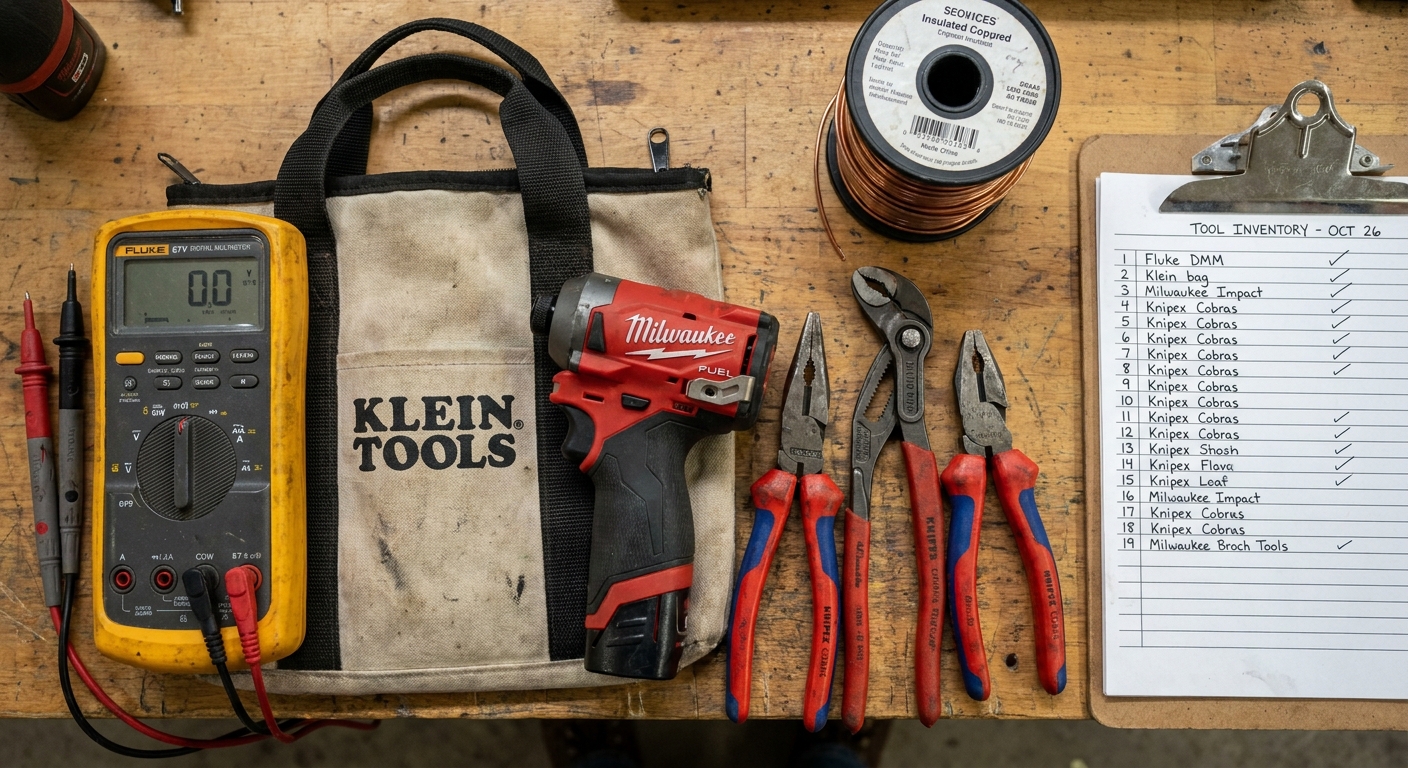
Create a tool inventory before renewal. Add photos, serial numbers, purchase dates, replacement values, and storage locations. Then review that list with the advisor. It is a simple exercise that often reveals underinsured equipment before a theft or accident does.
Example: the stolen trailer during peak season
Imagine a marine detailer leaves a trailer loaded for the next morning's marina job. Overnight, the trailer disappears. Inside are polishers, pads, extractors, chemicals, hoses, and customer-specific supplies. The loss is not just equipment. The detailer now has to replace tools, reschedule jobs, contact customers, and possibly explain delays to a marina that expected work to start at 8 a.m.
This is why mobile equipment coverage is a revenue protection issue. A tool claim can become a customer retention problem if the business has no backup plan.
What should a mobile detailing business compare?
Compare limits, deductibles, valuation method, theft restrictions, locked vehicle requirements, trailer coverage, employee driver rules, rented vehicle coverage, and whether equipment is covered at temporary storage locations. Do not compare only premium. A low premium with a low tool limit can look attractive until the business has to replace everything in one week.
What operating controls help?
- Use locks, alarms, trackers, and secure parking where practical.
- Avoid leaving high-value tools visible in vehicles.
- Assign equipment to crews and require end-of-day checklists.
- Keep backup tools for critical services during peak season.
- Update the inventory after major purchases.
Bottom line for mobile tools and auto
If the business depends on wheels and tools, the insurance plan should be built around wheels and tools. The right conversation is not just "what does the van cost?" It is "what happens to revenue if the van, trailer, or tools are gone tomorrow?"
A mobile operations scorecard
Score your operation before renewal. Green means tools are inventoried, drivers are disclosed, vehicles are properly insured, and storage is secure. Yellow means some equipment values are estimated or some drivers need review. Red means the business uses personal vehicles, unknown drivers, uninsured trailers, or expensive tools that are not listed anywhere.
What should a quote request include?
- Vehicle year, make, model, garaging location, and business use.
- Driver names, experience, and whether employees drive.
- Trailer details and how it is secured.
- Estimated replacement value of all mobile tools.
- Where equipment is stored overnight and during jobs.
- Whether work crosses from Connecticut into Rhode Island or nearby states.
What are the trade-offs?
Higher limits and replacement cost coverage can cost more, but they can also reduce the chance that one theft forces the business to pause operations. Lower limits may save money but can leave the owner self-funding the difference. The right answer depends on how quickly the business could replace tools and whether customers would wait.
How this connects to marina contracts
Some marina contracts ask for commercial auto proof because vendors drive on property, park near customer vessels, or bring trailers through tight access areas. Equipment controls matter too because unsecured tools can create trip hazards, theft disputes, or delays. Mobile operations are not separate from marina risk; they are part of it.
What is the final buying advice?
A mobile detailer should know exactly what happens after a van accident, trailer theft, or tool loss. If the answer is vague, the policy needs review. If the tools and vehicle produce the revenue, they deserve the same attention as liability coverage.
What should not be overlooked when expanding?
Expansion often starts casually: a second van, a helper with a personal vehicle, a rented trailer, or a new storage unit near the marina. Each move can change insurance. The business may need to update garaging addresses, drivers, vehicle use, hired and non-owned auto, equipment limits, or state exposure.
The mistake is assuming growth is covered because the old operation was covered. A business serving both the Connecticut coast and Rhode Island coast should tell its advisor where crews travel and where equipment sleeps at night. Those details are not paperwork trivia. They are underwriting facts.
What should customers and marinas see?
A professional mobile operation looks organized. Vehicles are maintained, tools are secured, chemicals are labeled, crew members know the schedule, and certificates are ready when requested. Insurance supports that professionalism, but it does not replace it.
How can owners reduce premium pressure?
Owners can reduce premium pressure by keeping clean driver records, using secure storage, maintaining accurate equipment schedules, training employees, and avoiding vague operations descriptions. None of those guarantees a lower price, but they make the account easier to explain and often easier to place.
For a coastal mobile business, the strongest insurance story is simple: we know where our vehicles go, who drives them, what equipment we carry, where it is stored, and how we protect it.
What should happen after a tool or vehicle loss?
After a loss, the owner should document what happened, secure the remaining property, notify the advisor, gather inventory records, and communicate quickly with affected customers. If the business has a backup tool plan, it may still be able to complete urgent jobs while the claim is reviewed.
This is why planning matters. Insurance may help pay for a covered loss, but preparation helps the business keep operating. The best mobile detailers treat vans, trailers, and tools like core business infrastructure, not replaceable accessories.
That mindset is especially important when a short coastal season compresses revenue into a few busy months.
When the calendar is full, one disabled van or missing trailer can create a chain reaction across several marinas. Planning for that possibility is part of running the business, not an optional extra.
That is the difference between owning equipment and managing an operation.
For a coastal route-based business, that discipline protects both revenue and reputation.
Why independent brokers matter
At iConn Insurance Solutions, we look at how the business actually moves. A Hartford metro detailer with a single van has different needs than a shoreline crew serving multiple marinas. Together with Insure Connecticut LLC, we help owners compare options instead of assuming one policy follows every tool.
Frequently Asked Questions About Mobile Detailing Equipment
Are tools covered if stolen from my van?
They may not be fully covered unless your policy includes coverage for business property away from your premises. Ask about theft from vehicles, trailers, and jobsite storage.
Do I need commercial auto for a detailing van?
If the vehicle is used for business, commercial auto should be reviewed. Personal auto policies can restrict or exclude business use, especially when equipment, employees, or regular jobsite travel are involved.
What is inland marine coverage?
Inland marine coverage can protect business property that moves, such as tools and equipment transported between jobs. It is commonly used for contractors and mobile service businesses.
Should I keep a tool inventory?
Yes. Keep photos, serial numbers, receipts, and estimated replacement values. A current inventory helps your advisor set limits and helps if a claim occurs.
Before buying another van or expanding to a second crew, ask iConn Insurance Solutions to review how your tools and vehicles are protected.
Related Content
AI Payment Fraud Incident Response: What to Do First
The first hour after a fraudulent wire can decide whether funds are frozen or lost. Follow this practical response guide for banks, insurers, evidence, law enforcement, and recovery.
Read post →
Hotel and Commercial Property Insurance: Where Should Renewal Savings Go?
A practical guide for hotel and commercial-property owners deciding whether to keep renewal savings, lower deductibles, increase limits or restore coverage.
Read post →AI Fraud Insurance Exclusions: Where Coverage Can Break
A large cyber limit can hide a small social engineering sublimit. Learn how voluntary-transfer language, verification conditions, and overlapping crime coverage can affect AI fraud claims.
Read post →
Connecticut Builders Risk Insurance: 2026 Buyer’s Guide
Connecticut builders risk buyers should update project values, timelines and controls. Learn what to prepare and compare for a 2026 placement.
Read post →