
Bobtail & Non-Trucking Liability Insurance: What CT Owner-Ops Need to Know
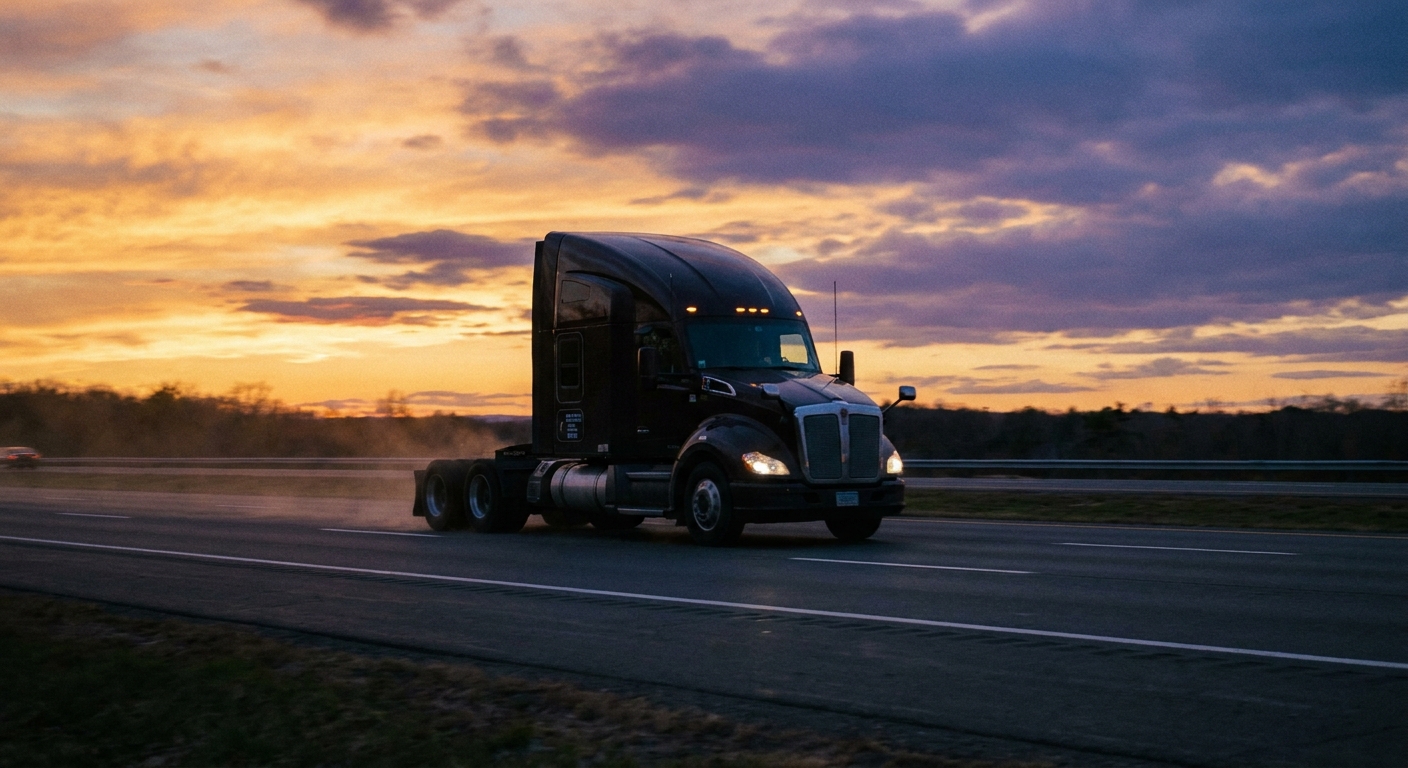
Bobtail and non-trucking liability fill the coverage gap when an owner-operator drives the tractor outside of dispatch. Your motor carrier's primary liability follows the load — the moment you drop the trailer at the terminal and head home, you are uninsured unless you carry bobtail. Non-trucking liability is broader, covering personal use of the tractor (with or without a trailer). Together they cost $900-$1,900 per year for $1M coverage, and virtually every lease agreement requires them.
Yesterday we walked through trucking liability limits — federal minimums, broker contract requirements, when to stack umbrella. Today we drill into the coverage that catches owner-operators by surprise more than any other: bobtail and non-trucking liability. If you are leased on to a motor carrier and you have ever driven your tractor home without a trailer, this is the policy that is supposed to protect you in that 30-mile run from the terminal to the house.
Insure Connecticut LLC writes bobtail and NTL for leased-on owner-operators every week — drivers running for Schneider, J.B. Hunt, Werner, USA Truck, Landstar, and dozens of smaller Connecticut motor carriers. Here is exactly how the coverage works, where the gaps are, and what your lease agreement requires.
What Is Bobtail Insurance?
Bobtail insurance is liability coverage that applies when an owner-operator is driving the tractor without a trailer attached and not in the service of the motor carrier they are leased to. The classic scenario: you drop a trailer at the J.B. Hunt yard, sign off dispatch, and drive your tractor home for the weekend. The motor carrier's primary liability stops covering you the moment you unhook and sign off.
Without bobtail, you are driving a Class 8 tractor with zero liability protection. A single fender-bender on the way home could result in $50,000+ in damages with no insurance behind it. Connecticut state law requires liability on the vehicle — driving without it is a misdemeanor and gets your CDL pulled.
What Is Non-Trucking Liability (NTL)?
Non-trucking liability (NTL) is liability coverage that applies when you operate the tractor for any purpose not in the business of the motor carrier you are leased to — with or without a trailer. NTL is broader than bobtail. It covers personal use scenarios bobtail does not reach.
Common NTL scenarios:
- Weekend trip pulling your personal boat trailer with the tractor
- Hauling firewood, equipment, or personal belongings with a non-dispatched trailer
- Driving the tractor to a side job not booked through the motor carrier
- Personal use trailer rental (U-Haul flatbed, equipment rental)
NTL is sometimes called "deadhead" coverage in the older industry terminology, though that usage is technically inaccurate — true deadhead (returning empty after a delivery, still under dispatch) is covered by the motor carrier's primary liability.
Bobtail vs NTL — Which One Do I Need?
| Scenario | Bobtail Covers? | NTL Covers? | Motor Carrier Primary? |
|---|---|---|---|
| Driving tractor home from terminal, no trailer | ✅ | ✅ | ❌ |
| Hauling load under dispatch | ❌ | ❌ | ✅ |
| Empty deadhead returning from delivery | ❌ | ❌ | ✅ |
| Pulling personal boat trailer on weekend | ❌ | ✅ | ❌ |
| Side job hauling for non-leased shipper | ❌ | ✅ | ❌ |
| Errand run in tractor, no trailer | ✅ | ✅ | ❌ |
The practical answer for most leased-on Connecticut owner-operators: carry both. The combined premium difference between bobtail-only and bobtail + NTL is typically $300-$500 per year for $1M limits. The coverage breadth difference is significant.
Does My Motor Carrier's Policy Already Cover This?
Almost never. Motor carrier primary liability policies are written with a "for-hire trucking" trigger — they only respond when the tractor is being used in the business of the named motor carrier. Specific exclusions in standard motor carrier policies:
- Not under dispatch: the tractor is not being used to perform a load assigned by the motor carrier
- Personal conveyance: tractor being used for personal transportation
- Outside lease terms: use that violates the written lease agreement
- Idle or storage: tractor parked between dispatch assignments may also be excluded
The exact language varies, but every major motor carrier lease — Schneider, J.B. Hunt, Werner, Landstar, U.S. Xpress, Knight-Swift — includes a clause requiring the owner-operator to maintain bobtail/NTL coverage. The motor carrier wants the gap filled by your policy, not theirs.
How Much Does Bobtail and NTL Cost in Connecticut?
| Coverage | Limit | Annual Premium (CT) |
|---|---|---|
| Bobtail only | $500K | $300-$500 |
| Bobtail only | $1M | $400-$800 |
| NTL only | $1M | $500-$1,100 |
| Bobtail + NTL combined | $1M | $700-$1,500 |
| Bobtail + NTL combined | $2M | $1,000-$1,900 |
Pricing is driven by:
- Motor carrier you are leased to — some carriers run captive bobtail programs that drop premiums by 20-30%
- Radius of operation — local Connecticut drivers pay less than long-haul OTR drivers
- MVR and CDL experience — 3+ years clean drops rates significantly
- Tractor value — physical damage on the tractor is a separate line, but the value affects underwriting comfort
- Personal use radius — declared personal-use mileage affects NTL pricing
What Happens If I Skip Bobtail and Get in an Accident?
The owner-operator pays out of pocket. Connecticut requires minimum auto liability ($25,000 / $50,000 / $25,000) on any vehicle operated on public roads. A Class 8 tractor without bobtail or commercial liability is uninsured by Connecticut standards. Consequences:
- Personal liability for all damages — bodily injury, property damage, vehicle repair
- License suspension — driving without insurance in CT triggers a 30-day to 6-month suspension
- CDL disqualification — uninsured operation while CDL-licensed is a major violation under FMCSA regs
- Motor carrier lease termination — lease agreements terminate immediately on coverage lapse
- FMCSA review — uninsured operation triggers a Motor Carrier Safety Improvement Program review
How CT Owner-Ops Should Coordinate Bobtail with Personal Auto
A common scenario: the owner-operator carries personal auto liability on a pickup truck and bobtail/NTL on the tractor. The two policies have different scopes:
- Personal auto covers the pickup, with named-driver coverage
- Bobtail/NTL covers the tractor under specific non-dispatch use scenarios
- Neither covers a non-named driver using the tractor — borrowed-driver scenarios trigger gaps
- Personal umbrella does not extend to the tractor unless specifically scheduled — most umbrellas exclude commercial vehicles by default
Insure Connecticut reviews personal and commercial policies together for every owner-operator client to make sure the named-driver, vehicle schedule, and umbrella scheduling line up. Gaps between personal auto, bobtail, NTL, and umbrella are the most common source of coverage failure we see at claim time.
Top Carriers for Bobtail and NTL in Connecticut
Progressive Commercial Owner-Op
Largest bobtail/NTL writer for Connecticut leased-on owner-operators. Quick turnaround, broad appetite, $500K to $1M limits. Most major motor carriers — Schneider, Werner, J.B. Hunt — accept Progressive bobtail by default.
Great American Insurance Specialty
Specialty bobtail and NTL program for harder-to-place leased-on owner-ops. Stronger appetite for high-mileage drivers, OTR specifically, and operators with prior claims. Premium runs higher than Progressive but writes risks Progressive declines.
Hudson Insurance Group Mid-Market
Hudson Excess writes bobtail/NTL through specialty trucking programs. Good fit for owner-ops carrying $2M layered limits with umbrella stacked above. Coordinates well with primary auto from Northland or Great West for hybrid operators.
Captive Programs Motor Carrier Owned
Schneider, Landstar, and several other major motor carriers run captive bobtail programs that lease-on drivers can opt into. Premiums are typically deducted from settlement. Pricing is competitive, but coverage is locked to the motor carrier — change carriers, lose the policy.
Key Takeaways — Bobtail and Non-Trucking Liability
- Bobtail covers no-trailer use outside dispatch; NTL covers all non-dispatch use including personal trailers
- Owner-operators with their own FMCSA authority generally do not need bobtail or NTL — their primary covers all use
- Combined bobtail + NTL at $1M runs $700-$1,500 per year in Connecticut
- Motor carrier primary liability stops covering you the moment you sign off dispatch
- Skipping bobtail = uninsured operation under CT law + CDL disqualification + lease termination
- Captive programs through motor carriers are convenient but lock you to that carrier
Frequently Asked Questions
Can I just have NTL and skip bobtail?
Technically NTL covers the bobtail scenario (no-trailer use outside dispatch), so an NTL-only owner-op is covered for the most common scenario. But most motor carrier lease agreements specifically require "bobtail liability" by name. Verify with your motor carrier's lease language before going NTL-only — some carriers will not accept NTL as a bobtail substitute.
Do I lose bobtail coverage if I take a load for a different motor carrier?
Yes. Bobtail and NTL exclude any use in the business of any motor carrier other than the one named on the policy. Side-hauling loads under another carrier's authority triggers a gap. Operators with two or more leases need either separate policies or a different policy structure altogether.
What if my tractor is in the shop — does bobtail cover the rental?
Most bobtail policies do not automatically extend to rental tractors. A rented tractor used in motor carrier dispatch is typically covered by the motor carrier's primary liability. A rented tractor used for personal use needs to be scheduled or covered under a separate non-owned auto endorsement.
Can I add my spouse as a driver on the bobtail policy?
Some carriers allow it; others do not. Drivers added to a bobtail/NTL policy typically must hold a CDL and meet the carrier's underwriting standards. Premium increases roughly 15-30% per added named driver. Most Connecticut owner-op clients keep the policy single-driver to control costs.
If I go independent and get my own authority, do I cancel bobtail?
Yes. Once you have your own FMCSA authority and primary commercial auto liability, bobtail and NTL are redundant — your primary policy covers all tractor use, on and off dispatch. Cancel them on the same day your primary policy effective date kicks in to avoid paying double premium.
Tomorrow we get into the FMCSA data underwriters obsess over — CSA scores. Five bad inspections and one HOS violation can double your trucking premium, or get you non-renewed altogether. We will walk through which BASICs matter most, how to clean up a bad profile, and what underwriters actually look for when they pull your DataQs report.
If you are a leased-on Connecticut owner-operator who needs bobtail, NTL, or both — Insure Connecticut LLC handles the placement. Call (860) 970-0977 or visit our trucking insurance page. We coordinate bobtail and NTL with your personal auto, umbrella, and any future primary commercial auto so the policies actually fit together when claim time comes.