
The E-Myth Revisited
The book that names the technician / manager / entrepreneur trap so many people are stuck in. If your business can't run a single day without you, start here.
Read review and business analysis
Books our team keeps coming back to — on running a business, managing risk, leading people, handling money, and having harder conversations. Open to anyone. Pull up a chair.
We talk to a lot of people about hard problems — business owners and their teams, families navigating change, folks thinking about going independent for the first time. The same patterns come up. And one we've noticed: the people who handle the hard stuff well tend to read. Not because reading is magic, but because the right book at the right moment gives you the language for what you're already feeling, and the playbook for what to do next.
This is our working list — a shared shelf we'd hand a friend over coffee. No affiliate links. No fluff. Just the books our team has actually read, argued about, and recommended to clients and friends who asked us "what should I be reading?"
Have a pick we missed? Tell us — we update this page as new titles earn their spot.

Eight categories, dozens of titles. Each shelf scrolls left and right — drag, swipe, or use the arrow keys to browse. Every book here has earned a recommendation from someone on our team, usually with a story attached.
Search by title, author, or topic — or filter the shelves by tag.
No books match those filters. Try removing a tag or clearing the search.
How to build a business that runs without you in the room.
Use the arrows to browse — or swipe / drag the shelf directly
The book that names the technician / manager / entrepreneur trap so many people are stuck in. If your business can't run a single day without you, start here.
Read review and business analysis
Gerber's framework applied to a specialized service business. The systems-vs-self-employment distinction lands harder when the business depends too much on the owner.
Read review and business analysis
The EOS playbook. A practical operating system for small businesses — vision, people, data, issues, process, traction. Especially useful if you're between 10 and 250 employees.
Read review and business analysis
The book that argues your business should be able to run a 4-week vacation without you — and gives you the playbook to engineer it. Painfully practical.
Read review and business analysis
Written by an owner who almost lost his business before he realized the company was just a collection of broken systems. The mindset shift that pulls a lot of operators out of the weeds.
Read review and business analysis
A diagnostic for figuring out the one thing in your business that's actually choking growth, instead of fixing five things that don't matter.
Read review and business analysis
The follow-up that makes the case for building a team that's actually invested — not just employed. Hiring, retention, and culture in plain language.
Read review and business analysis
The delegation framework that fixes the trap of owning a business that's secretly owning you. The replacement ladder, the buyback rate, the audit — all useful.
Read review and business analysis
Even if you never plan to sell, this is the most useful exit-planning book on the shelf. Building a sellable business is the same as building a business that's actually a business.
Read review and business analysisHow professionals actually think about uncertainty — and why most of us underestimate the tail.
Use the arrows to browse — or swipe / drag the shelf directly

A history of risk itself — from medieval merchants to modern markets. The single best book for understanding why insurance exists and what it's really pricing.
Read review and business analysis
The book that reframes how to position a business against shocks you can't predict. Required reading before you decide your deductibles are "high enough."
Read review and business analysis
Written by a former pro poker player. Teaches you to separate decision quality from outcome quality — the skill that keeps people sane during a bad year.
Read review and business analysis
A modern read of Stoic philosophy aimed at the moments when something has gone wrong. Useful in claim season, hard-market season, and most Tuesday afternoons.
Read review and business analysis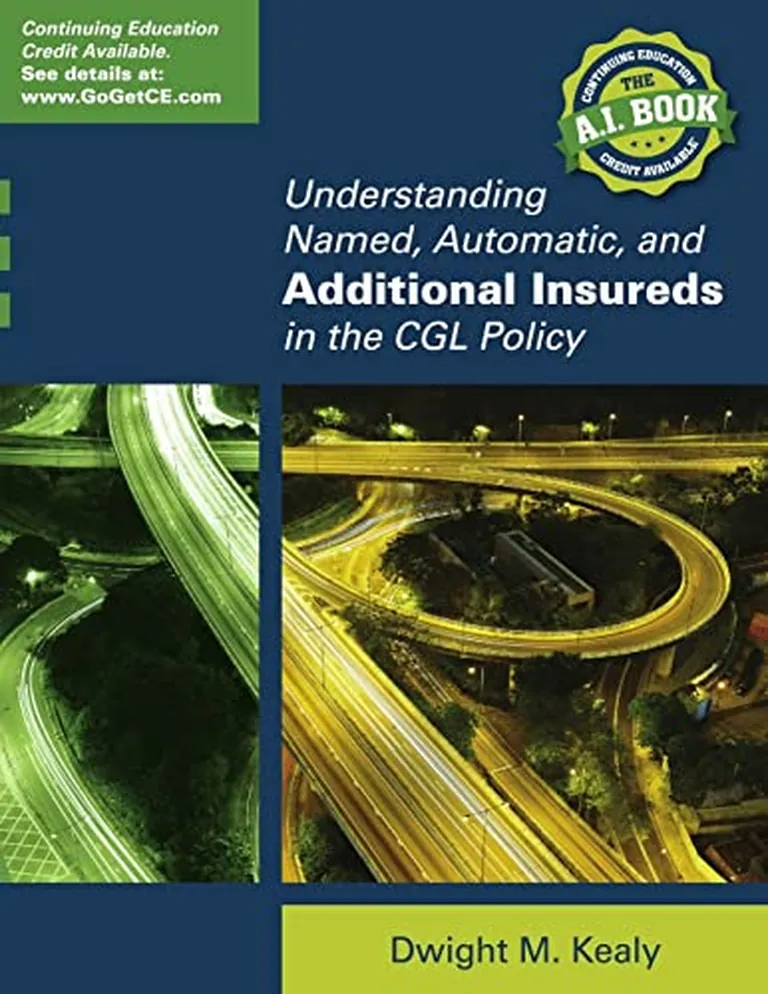
The cleanest plain-English walkthrough of a CGL form we've found. If you've ever had a coverage argument come down to one endorsement, this is the book to keep nearby.
Read review and business analysis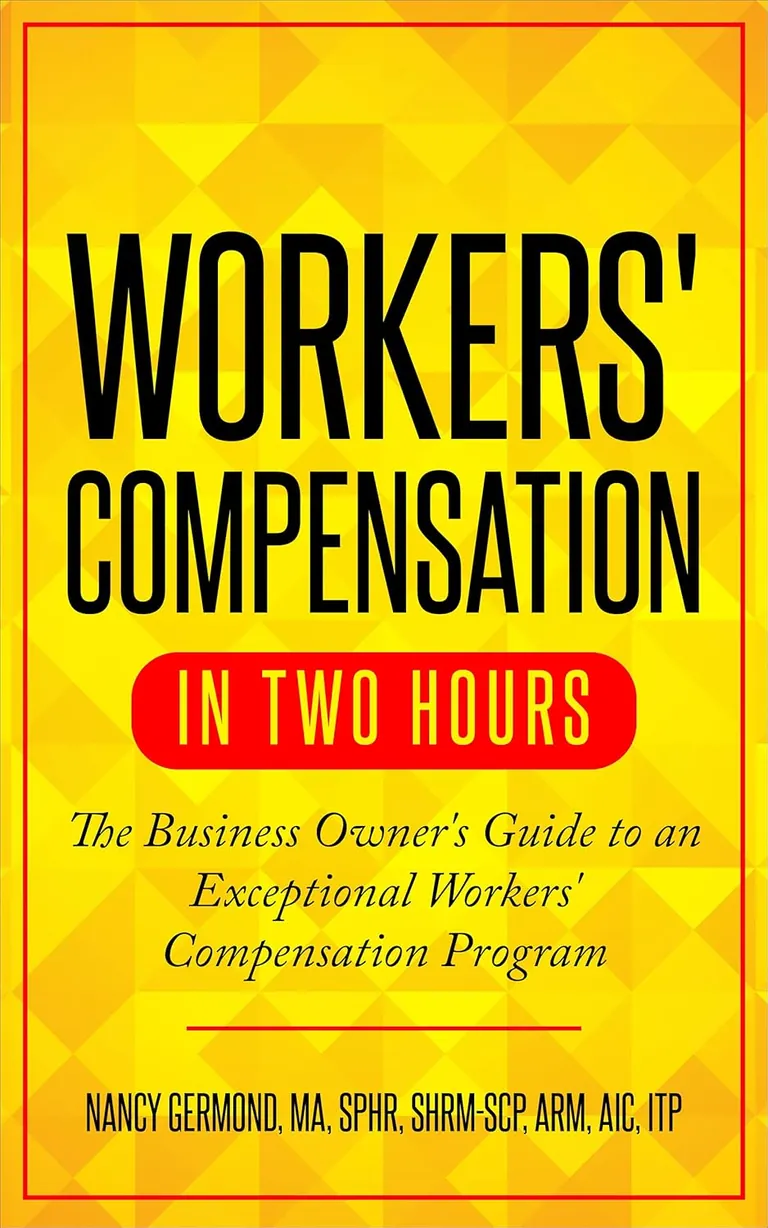
A short, no-nonsense primer on how workers' comp actually works — what's covered, what's not, and the levers that drive your mod. We hand this out at meet-and-greets.
Read review and business analysisCash discipline, pricing power, and the money skills schools never teach.
Use the arrows to browse — or swipe / drag the shelf directly
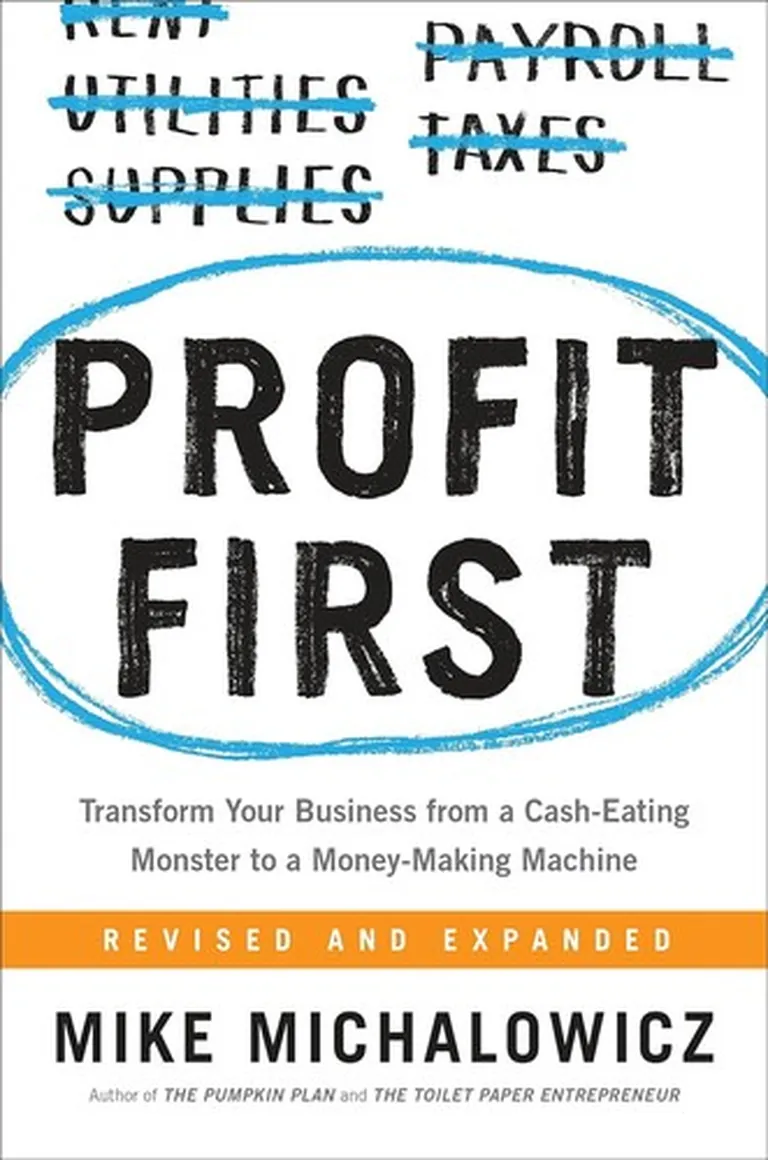
A cash-management system that takes ten minutes to explain and ten years to outgrow. If your business is profitable on the P&L but always broke in the bank, read this twice.
Read review and business analysis
Twenty short chapters on why smart people make dumb money decisions — and how to do less of it. The best gift for a partner or adult child who's just starting out.
Read review and business analysis
The case for buying an existing business instead of starting from zero. Useful even if you're not acquiring — it teaches you what makes your own business worth more.
Read review and business analysis
An a16z partner's plain-English explanation of how venture capital really works. Even if you'll never raise — the way VCs evaluate businesses is the way smart buyers do too.
Read review and business analysis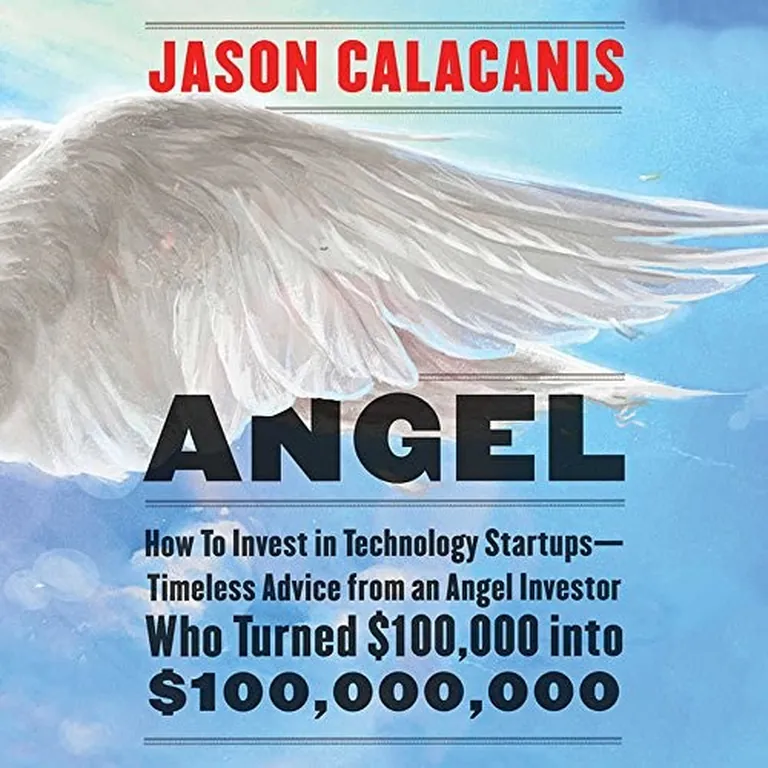
Calacanis on what makes him write a check. The investor-side view that flips your thinking on what your own business looks like from across the table.
Read review and business analysis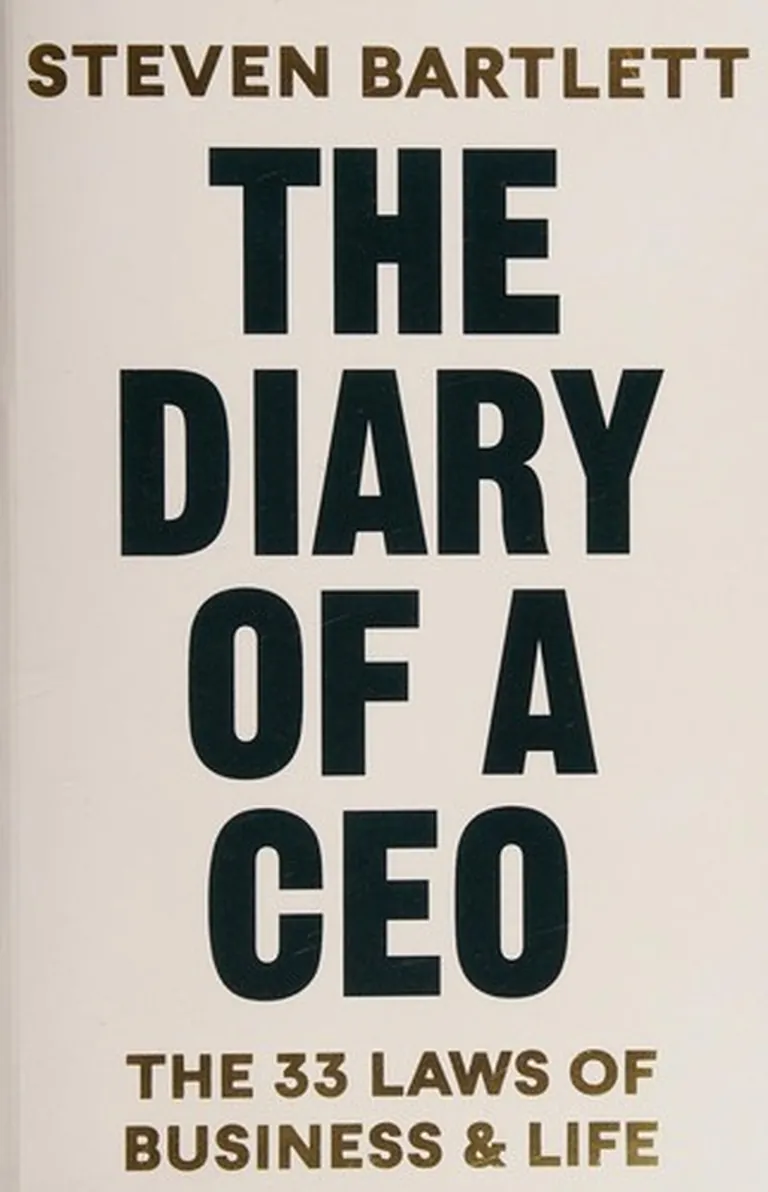
Thirty-three "laws" pulled from years of interviewing builders. Read the law titles, skip the chapters that don't apply, and let the rest re-frame how you think about your role.
Read review and business analysisThe job nobody trained you for: leading other adults.
Use the arrows to browse — or swipe / drag the shelf directly

The honest version of running a company. Layoffs, demotions, near-bankruptcies — the parts the highlight reel skips. Read this when things are going badly; it will help.
Read review and business analysis
The cleanest framework on the shelf for building consistent behavior — yours and your team's. Short chapters, immediately applicable.
Read review and business analysis
Written by two former Navy SEALs. The premise: as the leader, everything that goes wrong is your fault — and that's a freeing place to operate from.
Read review and business analysis
The original Golden Circle argument. The reason your team underperforms is rarely incentives — it's usually that nobody explained the why clearly enough to repeat.
Read review and business analysis
Sinek's case for the leader's actual job: making people feel safe enough to do real work. The Circle of Safety lands hard if your team is quietly burning out.
Read review and business analysis
Andy Grove's manual from Intel's peak. Forty years old and still the cleanest book on what a manager's job actually is. Required reading before promoting your first manager.
Read review and business analysis
The premise: stop asking how to do something and start asking who could do it for you. The mental flip that breaks bottleneck-shaped owners.
Read review and business analysis
What Bill Campbell actually coached the Steve Jobs / Larry Page / Sundar Pichai bench on. Mostly: how to run a real one-on-one and how to disagree without breaking the team.
Read review and business analysis
The diagnostic for whether you're actually built to be the owner — and what to do if the answer is yes. The companion piece to Traction for people earlier in the journey.
Read review and business analysis
The guy who built the iPod and the Nest thermostat on how products and people actually get made. Practical, candid, and unusually generous with the inside view.
Read review and business analysis
The case for changing your mind on purpose. The chapters on the preacher / prosecutor / politician modes will rewire how you handle a hard disagreement.
Read review and business analysisThe conversations that decide more than your strategy does.
Use the arrows to browse — or swipe / drag the shelf directly

Written by an FBI hostage negotiator. The tactics translate one-for-one to vendor contracts, claim disputes, and the hardest conversations with co-owners.
Read review and business analysis
The original textbook on persuasion. Forty years old and still the most-cited book in marketing, sales, and behavioral science for a reason.
Read review and business analysis
How to talk when stakes are high, emotions are running, and opinions vary. The closest thing to a manual for the conversations owners avoid for too long.
Read review and business analysis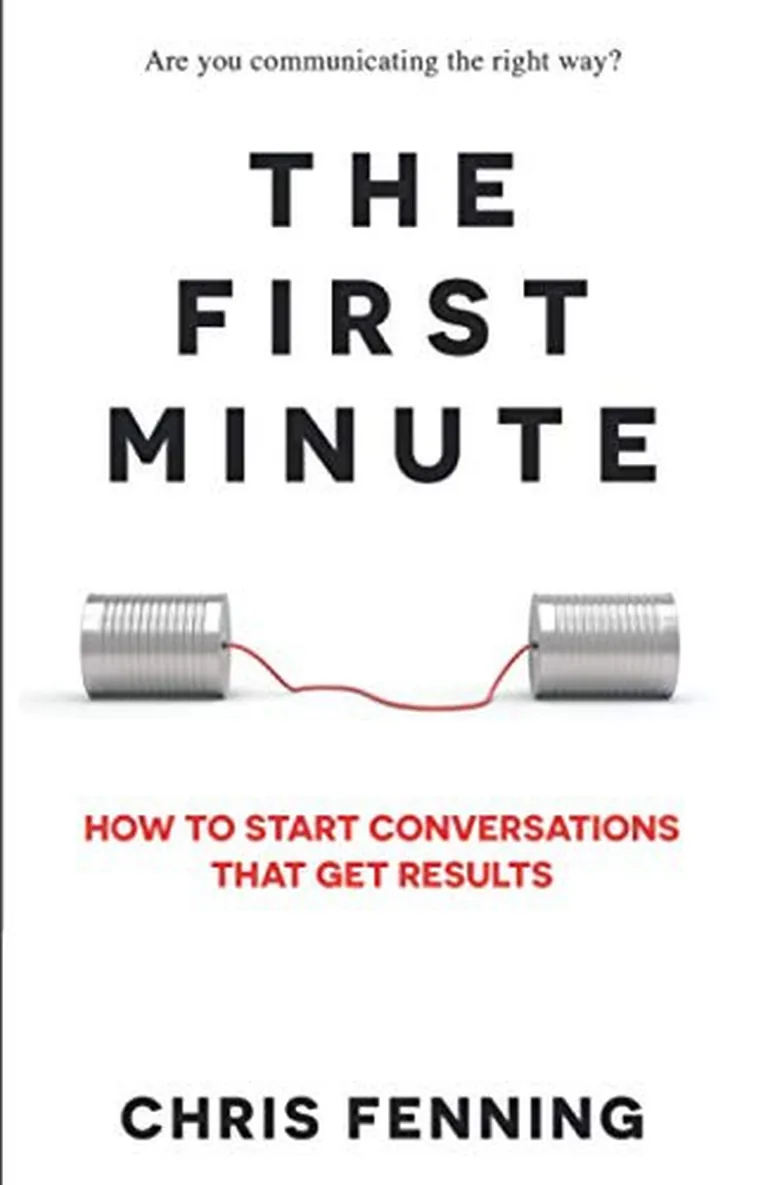
How to open a conversation so the other person actually knows what you want from them. Underrated, short, and immediately useful in meetings and emails.
Read review and business analysis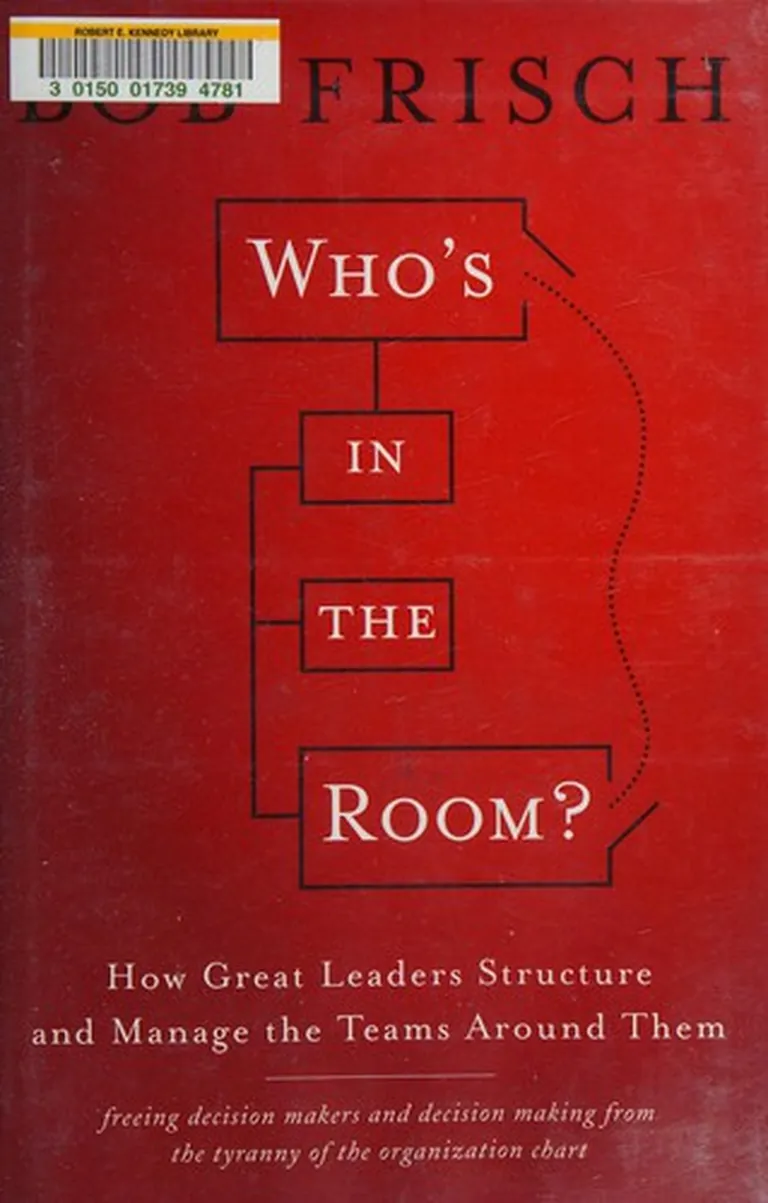
Why most leadership-team meetings produce nothing. Frisch's fix — separate decision groups for separate decisions — saves a lot of wasted Mondays.
Read review and business analysis
A different angle on the same question: who gets access to you, and what is that access costing you? A short read with surprisingly long aftereffects.
Read review and business analysisHow modern businesses actually get found, get chosen, and get bought from.
Use the arrows to browse — or swipe / drag the shelf directly
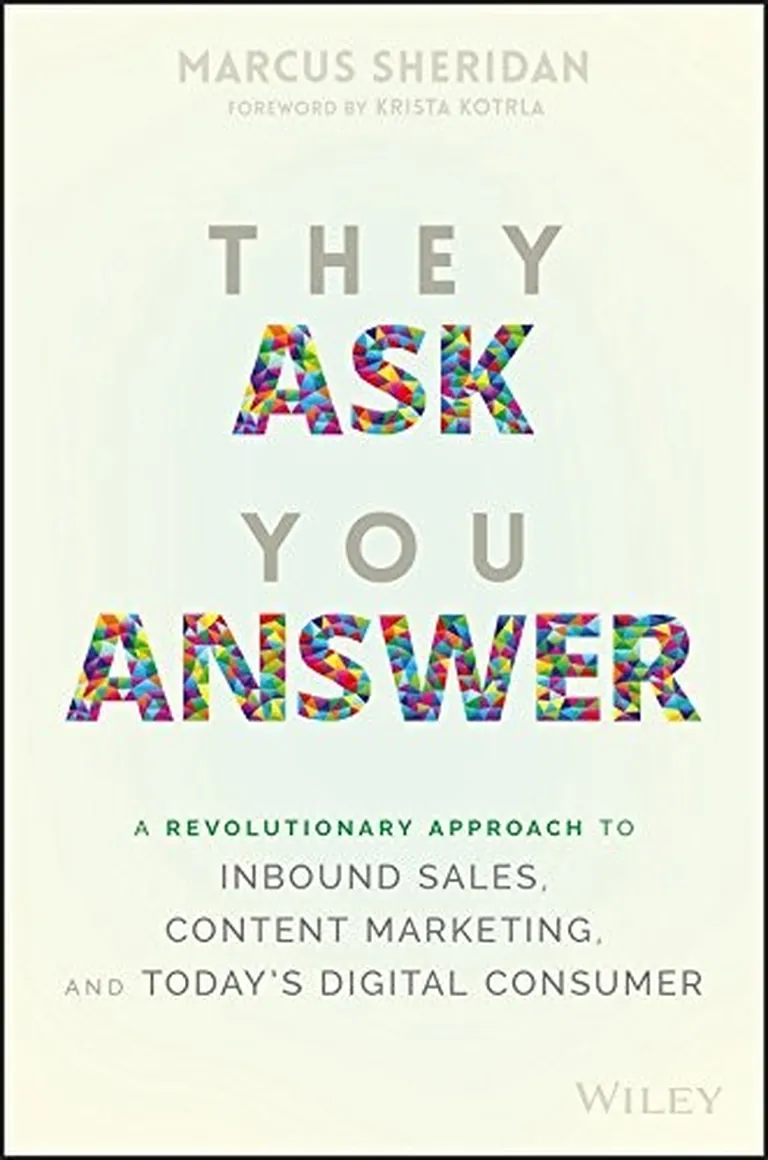
A pool-installer turned marketer's playbook for answering the questions buyers are actually asking. The cleanest argument for content-as-trust we've read.
Read review and business analysis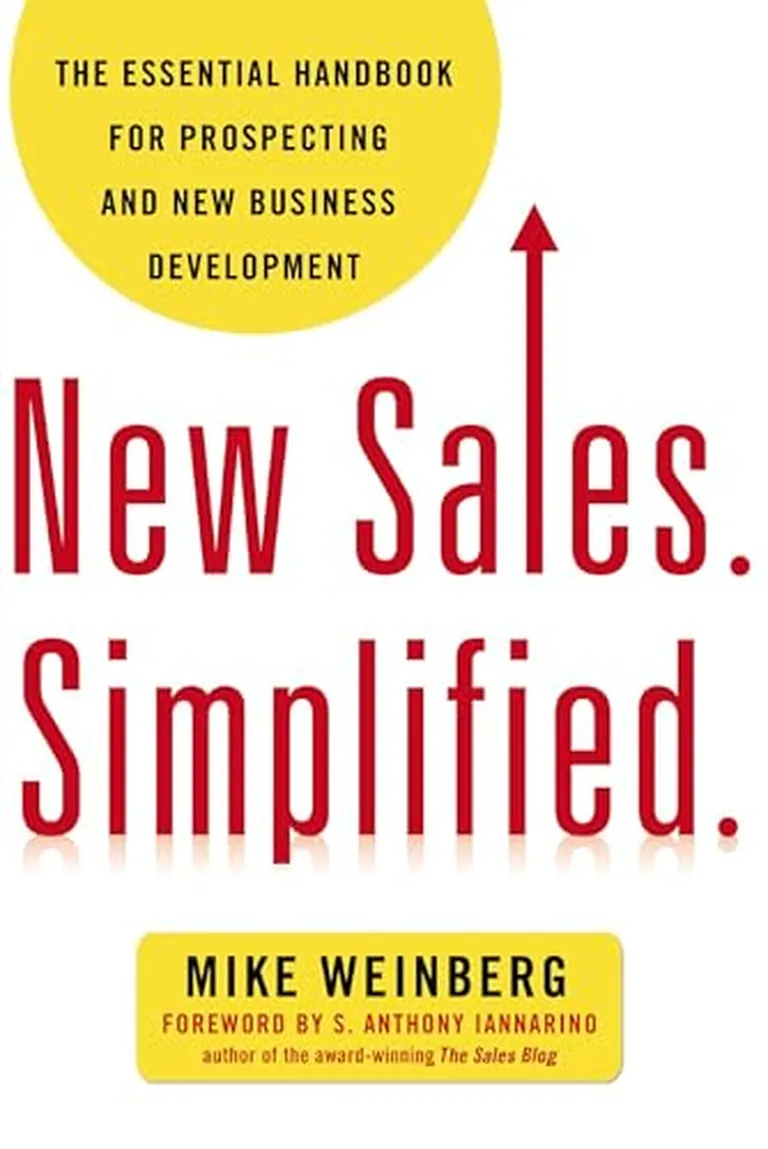
The most no-nonsense book on outbound on the shelf. Weinberg has no patience for excuses and it shows in every chapter.
Read review and business analysis
The companion to Weinberg — Blount's argument is that pipeline failure is almost always activity failure. Read it when your numbers are dipping.
Read review and business analysis
A tactical cold-calling playbook from the 30 Minutes to President's Club team. Useful when pipeline is thin and the answer is not another strategy meeting — it's picking up the phone with a better opener.
Read review and business analysis
The Dream 100 framework lives here. Twelve disciplines, but you only need to nail three of them better than your competitors to win.
Read review and business analysis
Kennedy's direct-response writing handbook. The frameworks are forty years old and still outperform most modern copywriting advice.
Read review and business analysis
Godin's argument that boring is fatal, in plain English. Useful pre-rebrand or pre-website read; he'll talk you out of doing the safe thing.
Read review and business analysis
Hold your nose at the sales pages — the funnel theory behind it is solid. The value-ladder chapter alone has helped a few of our friends triple their lead flow.
Read review and business analysis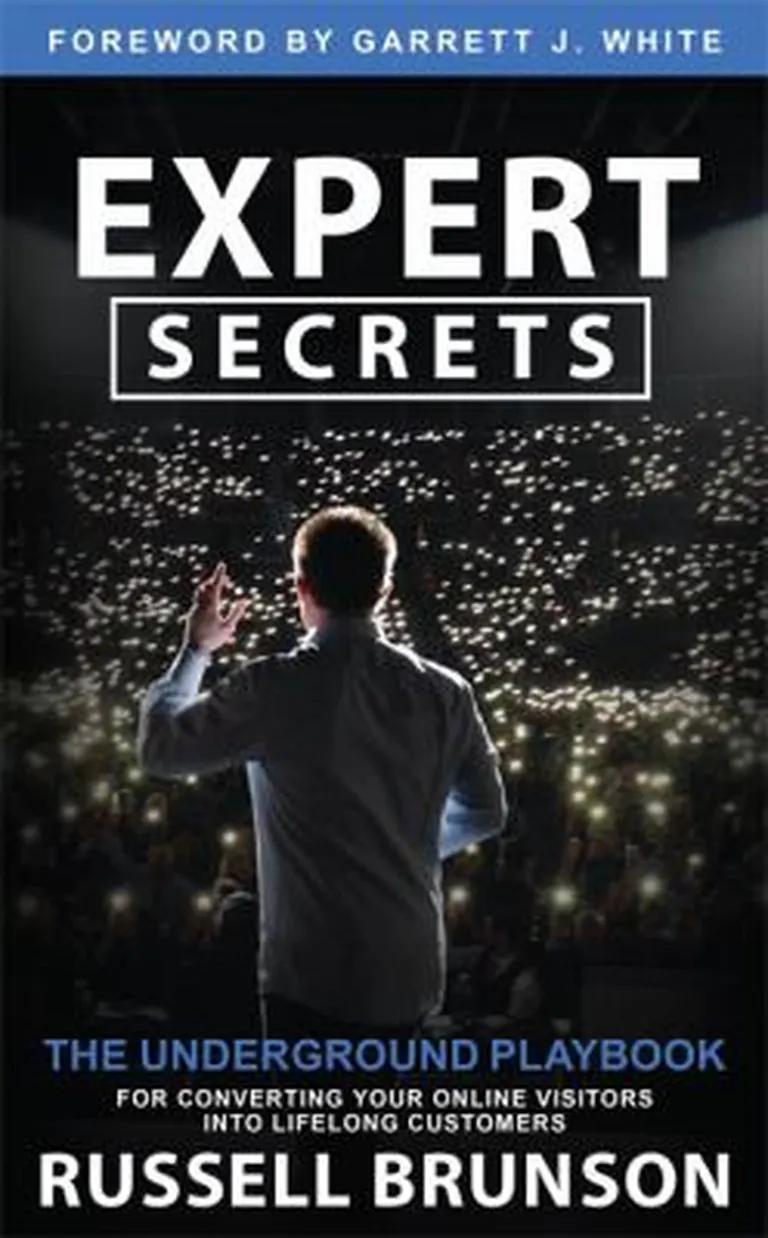
The follow-up — same caveats, same usefulness. The chapter on "the attractive character" is the cleanest writeup of personal-brand positioning around.
Read review and business analysis
Brunson's playbook for finding your buyers in their existing watering holes instead of starting from zero. Helpful even if you only run a referral business.
Read review and business analysis
Approachable, non-spammy SEO for small businesses. The strategic chapters age better than the technical ones — but the strategic chapters are the ones that matter.
Read review and business analysisHow category leaders pick their fight, and how everyone else can compete on terms they actually win.
Use the arrows to browse — or swipe / drag the shelf directly

The case that creating a category beats winning one. Most useful for the owner who keeps describing their business as "better" instead of "different."
Read review and business analysis
Where the term "growth hacking" actually comes from — and why the original meaning is still useful: cross-functional teams running tight experiments against one north-star metric.
Read review and business analysis
Even if you don't run software, the bootstrap-first chapters on pricing, niching, and avoiding VC are the cleanest version of that argument we've seen.
Read review and business analysis
The book that pushed a lot of solo operators into their first hire. Practical, slightly dated on the tools, evergreen on the mindset of buying back your calendar.
Read review and business analysis
Fifty-two structured networking habits, one per week. Boring on the surface, useful in practice — most independent businesses live or die by executing this kind of work consistently.
Read review and business analysisOlder books with sharper teeth. Read carefully — they describe the world, they don't endorse it.
Use the arrows to browse — or swipe / drag the shelf directly

Two-thousand-year-old strategy text. The chapters on knowing the terrain and choosing your battles are uncomfortably applicable to small-business competitive dynamics.
Read review and business analysis
Less a how-to manual than a field guide to the games people are already playing around you. Knowing the laws is what keeps you from being on the wrong end of one.
Read review and business analysis
Curtis Jackson and Greene's collaboration on fearlessness. The biographical chapters land harder than the philosophy chapters; both are worth the time.
Read review and business analysisCover to cover, not skimmed. If we haven't read it, it doesn't go on the shelf — even if everyone else is recommending it.
Each book maps to a conversation we keep having — succession, cash flow, hiring, partner disputes, exit planning, big life decisions.
No flavor-of-the-month titles. We favor books that have proven their value over years, not just the latest bestseller cycle.
If you want to talk through how any of these ideas apply to your situation — coverage, succession, risk, growth, or just figuring out what to do next — we're a phone call away. That conversation is free, and it's how most of our best client relationships start.