
How Much Does Cannabis Lessors Risk Insurance Cost in Connecticut? 2026 Premium Ranges by Tenant Type
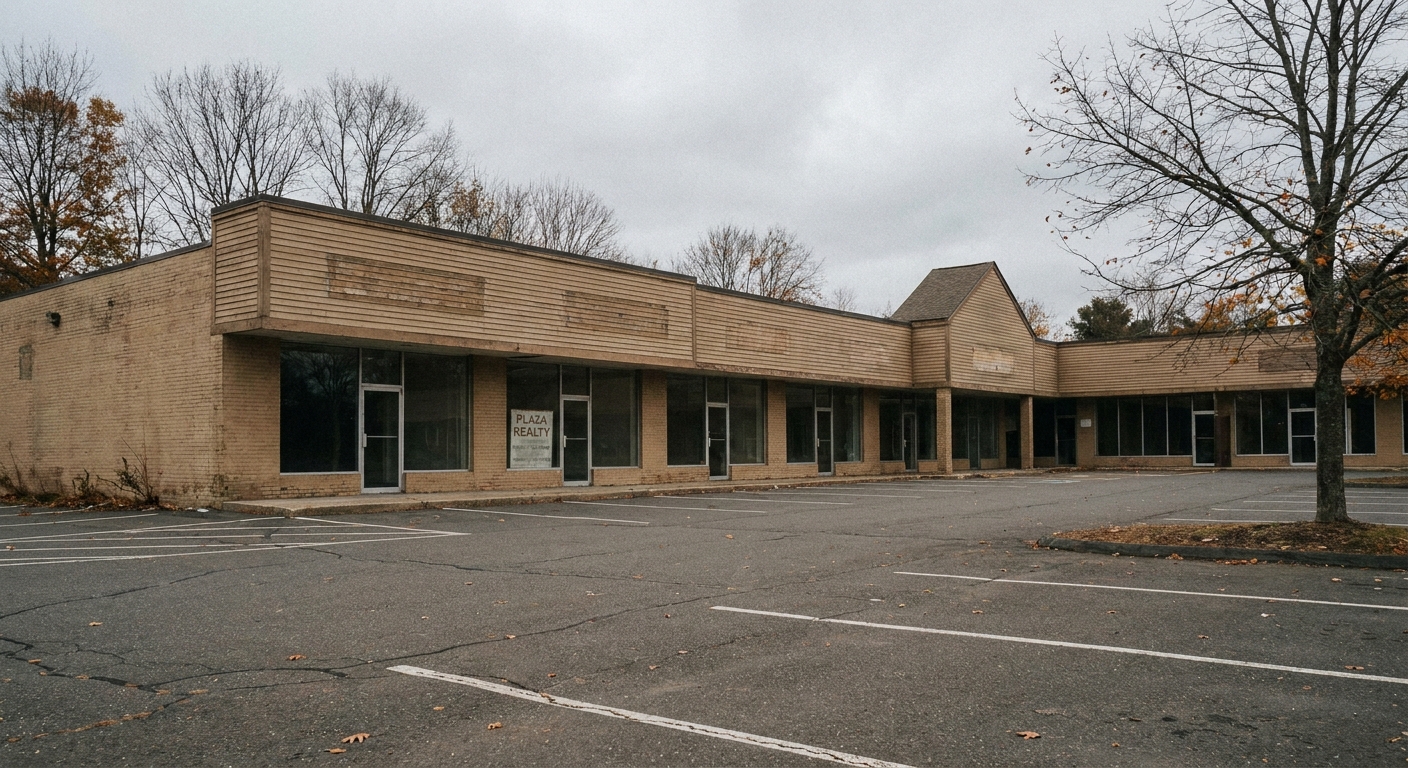
Most Connecticut commercial property owners who lease space to a cannabis tenant discover three things at once: their existing property policy almost certainly excludes the tenant's operation, the replacement coverage is meaningfully more expensive than what they were paying, and the carriers willing to write it are not the standard markets they've used for decades. The premium shock is real — and for landlords who didn't plan for it, it shows up retroactively, after the lease is signed and the tenant has moved in.
This post breaks down what cannabis lessors risk insurance actually costs in Connecticut in 2026 — by tenant license type, building size, and structural risk profile. It's the broker view, not the carrier brochure view. Where rates are high, the post explains why. Where landlords are overpaying, it says so.
How Much Does Cannabis Lessors Risk Insurance Cost in CT in 2026?
Why Cannabis Lessors Risk Is Materially More Expensive Than Standard Lessors Risk
Three reasons compound:
- The carrier risk pool is small. Most standard commercial property carriers exclude cannabis tenants at the policy form level — not as a pricing decision, but as an underwriting prohibition. That leaves a handful of specialty Excess & Surplus markets writing the line, which means less competition and higher rates.
- Tenant operations carry elevated property exposures. Cultivation involves heavy electrical load, HVAC, water management, and (for some operators) volatile extraction. Manufacturing involves processing equipment and packaging operations. Retail and delivery involve cash, inventory, and security exposures. None of these are typical commercial-tenant risks.
- Federal status overlays the entire placement. Even when state-licensed and DCP-compliant, cannabis remains federally controlled. Carriers price the regulatory uncertainty into the rate.
For broader context on why CT cannabis insurance differs from standard commercial coverage, see our spoke on cannabis insurance vs. standard BOP.
Premium Ranges by CT Cannabis Tenant License Type
| Tenant license type | Typical building size | Annual lessors risk premium (CT, 2026) |
|---|---|---|
| Retail dispensary (storefront) | 2,000 – 6,000 sq ft | $6,500 – $14,000 |
| Retail + delivery hybrid | 3,000 – 8,000 sq ft | $8,500 – $18,000 |
| Micro-cultivator (indoor) | 5,000 – 10,000 sq ft | $10,000 – $22,000 |
| Standard cultivator (indoor) | 15,000 – 50,000 sq ft | $22,000 – $65,000 |
| Large cultivator + manufacturing | 50,000 – 150,000 sq ft | $45,000 – $140,000 |
| Manufacturer (extraction) | 8,000 – 25,000 sq ft | $28,000 – $85,000 |
| Transporter / delivery hub | 3,000 – 8,000 sq ft | $7,500 – $16,000 |
These ranges describe lessors risk premium only — that is, the property insurance the landlord carries to protect the building itself and the landlord's exposure as the property owner. They do not include the tenant's separate Property, General Liability, Crime, or Product Liability policies, which are the tenant's responsibility and addressed in our cannabis insurance pillar.

What Drives Cannabis Lessors Risk Premium in Connecticut
Eight variables move the rate up or down materially:
- Tenant license type. Cultivation and manufacturing rate higher than retail; extraction operations rate highest. Delivery and transport are closer to retail rates than to cultivation.
- Building construction class. Fire-resistive or non-combustible construction (Class 4–6) rates better than frame or joisted-masonry. Older buildings with mixed construction classes price higher.
- Fire suppression. Full sprinkler system (NFPA 13 compliant) is essentially required for cultivation and manufacturing placements. Lack of sprinklers can double or triple premium, when coverage is available at all.
- Electrical capacity and condition. Cannabis tenants — especially cultivators — pull heavy electrical load. Older electrical service, insufficient panel capacity, or non-permitted modifications increase rate or trigger pre-bind upgrade requirements.
- HVAC and dehumidification. Cultivation generates substantial moisture and heat. Inadequate HVAC creates mold and structural risk that carriers price in.
- Security infrastructure. Monitored alarm, perimeter cameras, vault construction, and access control matter to lessors risk underwriters even when the equipment is owned by the tenant — because building damage from a forced entry still flows back to landlord coverage.
- Lease structure. Triple-net leases that put property maintenance on the tenant rate differently from gross leases where the landlord manages the building. Both can be insured; underwriters want to know which.
- Lender requirements. If the building carries commercial mortgage debt, the lender often dictates minimum insurance limits and may have specific exclusions or endorsements they require — and lender-driven coverage tends to be more expensive than a standalone placement.
Where CT Landlords Routinely Overpay
Three patterns produce 20–40% premium savings when corrected:
- Coverage placed on the wrong policy form. Some landlords accept a "cannabis endorsement" on their existing commercial property policy from a standard carrier. The endorsement is usually narrow, expensive, and excludes most of the risk that actually needs covering. Moving to a specialty cannabis lessors risk form in the E&S market typically improves both coverage breadth and price.
- Single-market quotes. Brokers who place all cannabis lessors risk through one wholesale market often get higher quotes than brokers who shop 3–4 markets. The premium delta on a $30,000+ placement can be $5,000–$12,000 annually.
- Underbid building values. Some landlords intentionally underreport building replacement value to lower premium — which works until a loss happens and the policy applies coinsurance penalties that wipe out the savings several times over. Right-size the value at policy inception.
Sample Premium Scenarios — Three CT Landlord Profiles
Scenario 1: Small Retail Plaza, One Dispensary Tenant
A 12,000 sq ft single-story commercial plaza in a Tier-3 CT municipality. Three tenants, one of which is a 3,200 sq ft cannabis retailer. Building is non-combustible construction with full sprinkler. Replacement value $1.85M. Annual lessors risk premium: $9,500–$13,500. A comparable non-cannabis plaza would run $2,800–$4,200.
Scenario 2: Industrial Cultivation Facility
A 42,000 sq ft single-tenant industrial building leased to a CT standard-tier cultivator. Pre-engineered metal construction, full sprinkler, recent electrical upgrade. Replacement value $4.6M. Annual lessors risk premium: $38,000–$58,000. Comparable non-cannabis industrial building runs $9,500–$14,000.
Scenario 3: Mixed-Use Manufacturing Building
A 22,000 sq ft mixed-use building leased to a cannabis manufacturer with edibles processing and (separately) Class-1 Div-1-rated extraction operation. Joisted masonry construction, full sprinkler, hazardous-area enclosures for extraction. Replacement value $3.2M. Annual lessors risk premium: $48,000–$78,000. Comparable non-cannabis manufacturing tenant runs $7,500–$11,500.
Cannabis Lessors Risk vs. Other CT Commercial Property Lines
| Property type | Typical rate per $100 of value | Carriers actively writing |
|---|---|---|
| Standard retail lessors risk | $0.10 – $0.25 | 20+ standard markets |
| Standard industrial / warehouse | $0.12 – $0.30 | 15+ standard markets |
| Restaurant lessors risk | $0.25 – $0.55 | 10+ standard markets |
| Cannabis retail lessors risk | $0.85 – $1.85 | 5–7 specialty E&S markets |
| Cannabis cultivation lessors risk | $1.25 – $2.85 | 4–6 specialty E&S markets |
| Cannabis manufacturing (extraction) lessors risk | $1.85 – $3.50+ | 3–5 specialty E&S markets |
The delta vs. standard commercial property is real and structural, but it's also stable. Landlords who price the coverage into lease economics before signing see no surprises later. Landlords who don't, do.
How to Reduce Cannabis Lessors Risk Premium Without Cutting Coverage
- Invest in fire suppression before the tenant moves in. Adding sprinkler to a non-sprinklered building can pay for itself within 24–36 months through premium reduction alone, and dramatically expands which carriers will write the placement.
- Upgrade electrical service ahead of cultivation tenants. A documented panel upgrade, separately metered tenant service, and recent electrical inspection report all credit toward better rates.
- Document tenant-side security and operational controls in the lease. Carriers credit landlords whose lease explicitly requires the tenant to maintain a monitored alarm, security plan, fire suppression maintenance, and a current Certificate of Insurance naming the landlord as additional insured.
- Shop the placement at every renewal. Cannabis lessors risk pricing is competitive enough that a 3-market shop at renewal often produces 10–20% savings without coverage compromise.
- Right-size building replacement value at inception. Underinsurance triggers coinsurance penalties; overinsurance is just wasted premium. A current appraisal at policy bind avoids both.
Frequently Asked Questions
Can I just add my cannabis tenant to my existing commercial property policy?
No — almost certainly not. The vast majority of standard commercial property carriers exclude cannabis tenants at the policy form level. Continuing the policy "as if" the cannabis tenant isn't there is misrepresentation and voids coverage. The right move is to disclose, accept the policy will be non-renewed or modified, and shop a specialty cannabis lessors risk placement.
Should the cannabis tenant pay the lessors risk premium?
It's negotiable. Most CT cannabis leases pass through some or all of the landlord's increased insurance cost as additional rent (a triple-net or modified-gross structure). The landlord still owns the policy; the tenant just reimburses the premium delta. This is the most common structure in current CT cannabis leases.
Does lessors risk cover the tenant's inventory if something happens?
No. Lessors risk covers the landlord's building and the landlord's loss-of-rents if the building becomes untenantable. The tenant's inventory, equipment, and business income are the tenant's responsibility under their own cannabis insurance program.
What about my mortgage lender — will they approve a cannabis tenant?
Some will, many won't, and the ones that do often have specific insurance requirements. Talk to the lender before signing a cannabis lease; mortgage default clauses triggered by "illegal use" (citing federal status) are a real risk that some traditional lenders enforce.
How often does cannabis lessors risk pricing change in CT?
Most placements have seen modest rate increases of 5–12% annually since 2023, slowing in 2026 as the carrier market has matured. Operators with strong loss history and well-maintained properties often see flat renewals; those with claims or risk-control deficiencies see larger increases.
Key Takeaways
- Cannabis lessors risk in CT runs $0.85–$3.50 per $100 of building value — 4x–10x standard commercial property rates
- Tenant license type, construction class, fire suppression, and electrical capacity are the four biggest rate drivers
- Adding a cannabis tenant to an existing standard property policy is rarely possible and creates misrepresentation risk if attempted
- Landlords routinely overpay when coverage is placed in a single E&S market without competitive shopping
- Most CT cannabis leases pass through the premium delta as additional rent — price it into lease economics before signing
- Mortgage default risk from federal status is the single most underappreciated landlord exposure in CT cannabis real estate
Working With a CT Cannabis Lessors Risk Broker
At iConn Insurance Solutions we place cannabis lessors risk coverage for Connecticut commercial property owners across the entire specialty market — shopping 4–6 carriers per placement, structuring lease pass-through correctly, and coordinating with the tenant's property and liability program so the building and the operation aren't either overinsured or underinsured at the boundary. For landlords negotiating a new cannabis lease, the right time to price the coverage is during lease negotiation, not after signing.
For more on cannabis real estate in CT, our pillar covers the full landlord and owner guide, and our companion cluster covers cannabis insurance by tenant license type.
For non-cannabis Connecticut lessors risk and commercial property coverage, see our sister site MyInsureCT.
Related Content
AI Payment Fraud Incident Response: What to Do First
The first hour after a fraudulent wire can decide whether funds are frozen or lost. Follow this practical response guide for banks, insurers, evidence, law enforcement, and recovery.
Read post →
Hotel and Commercial Property Insurance: Where Should Renewal Savings Go?
A practical guide for hotel and commercial-property owners deciding whether to keep renewal savings, lower deductibles, increase limits or restore coverage.
Read post →AI Fraud Insurance Exclusions: Where Coverage Can Break
A large cyber limit can hide a small social engineering sublimit. Learn how voluntary-transfer language, verification conditions, and overlapping crime coverage can affect AI fraud claims.
Read post →
Connecticut Builders Risk Insurance: 2026 Buyer’s Guide
Connecticut builders risk buyers should update project values, timelines and controls. Learn what to prepare and compare for a 2026 placement.
Read post →