
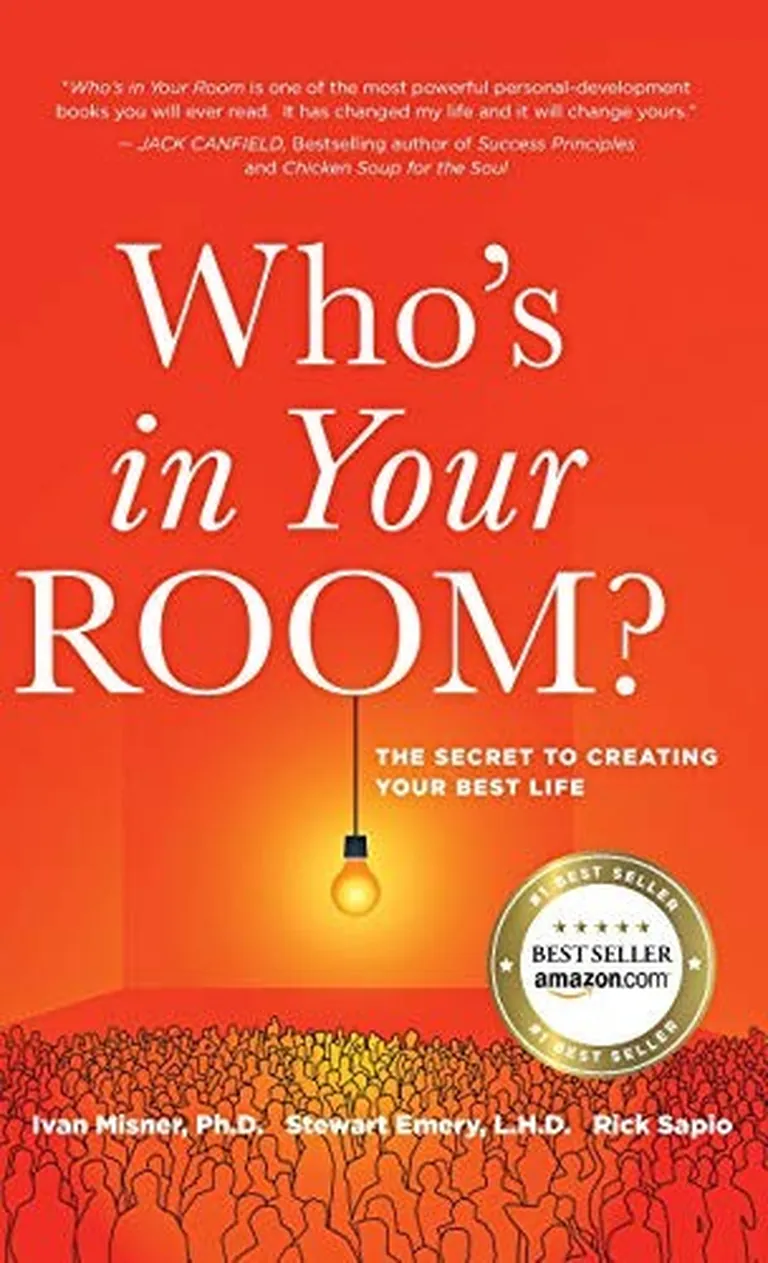
Quick Answer
Who's in Your Room? is worth reading if you are trying to improve owner mindset. For a small or mid-sized business, the practical value is not theory; it is the way the book gives owners a cleaner lens for choices that affect cash, people, risk, and execution.
Review
Who's in Your Room? earns its place in the Reading Room because it makes a common owner problem easier to name. The book is strongest when read as an operating prompt, not as a set of slogans. Its best ideas should be turned into meeting rhythms, written standards, sales habits, cash rules, or risk decisions that someone can actually inspect later.
Our read: A different angle on the same question: who gets access to you, and what is that access costing you? A short read with surprisingly long aftereffects. The test for this book is simple: after finishing it, can an owner make one recurring decision with more clarity, less drama, and better evidence? For Who's in Your Room?, the answer is yes.
Business Analysis
For a founder, professional services firm, contractor, retailer, or family-run company, Who's in Your Room? connects directly to owner mindset. The owner should read it with a pen in hand and ask: where are we relying on memory, personality, urgency, or luck instead of a repeatable standard?
The small-business tie-in is operational. Use the book to make pressure, uncertainty, and responsibility easier to act on without drama. That can affect hiring, delegation, sales accountability, customer workflows, client communication, pricing discipline, or the way leadership handles uncomfortable conversations before they become expensive problems.
How to Apply It This Quarter
- Pick one recurring business decision this book speaks to and write the current rule in plain English.
- Choose one metric that would show whether the idea is improving cash flow, client trust, team capacity, or risk control.
- Assign one owner, one due date, and one review meeting so the insight becomes an operating habit.
- Look for one insurance, contract, staffing, or continuity implication before making a major change.
FAQ
Who should read Who's in Your Room??
Small and mid-sized business owners, founders, managers, and advisors who want a practical lens for owner mindset.
How does Who's in Your Room? connect to insurance and risk?
Better-run businesses usually produce cleaner risk conversations. When roles, cash, decisions, contracts, and processes are clear, coverage reviews become more useful because the business can explain what actually needs protecting.
What should a business owner do after reading it?
Turn one lesson into a written operating rule, then review whether that rule changed behavior after 30 to 60 days.