
Bobtail and Non-Trucking Liability: The CT Owner-Operator Coverage Gap That Bankrupts
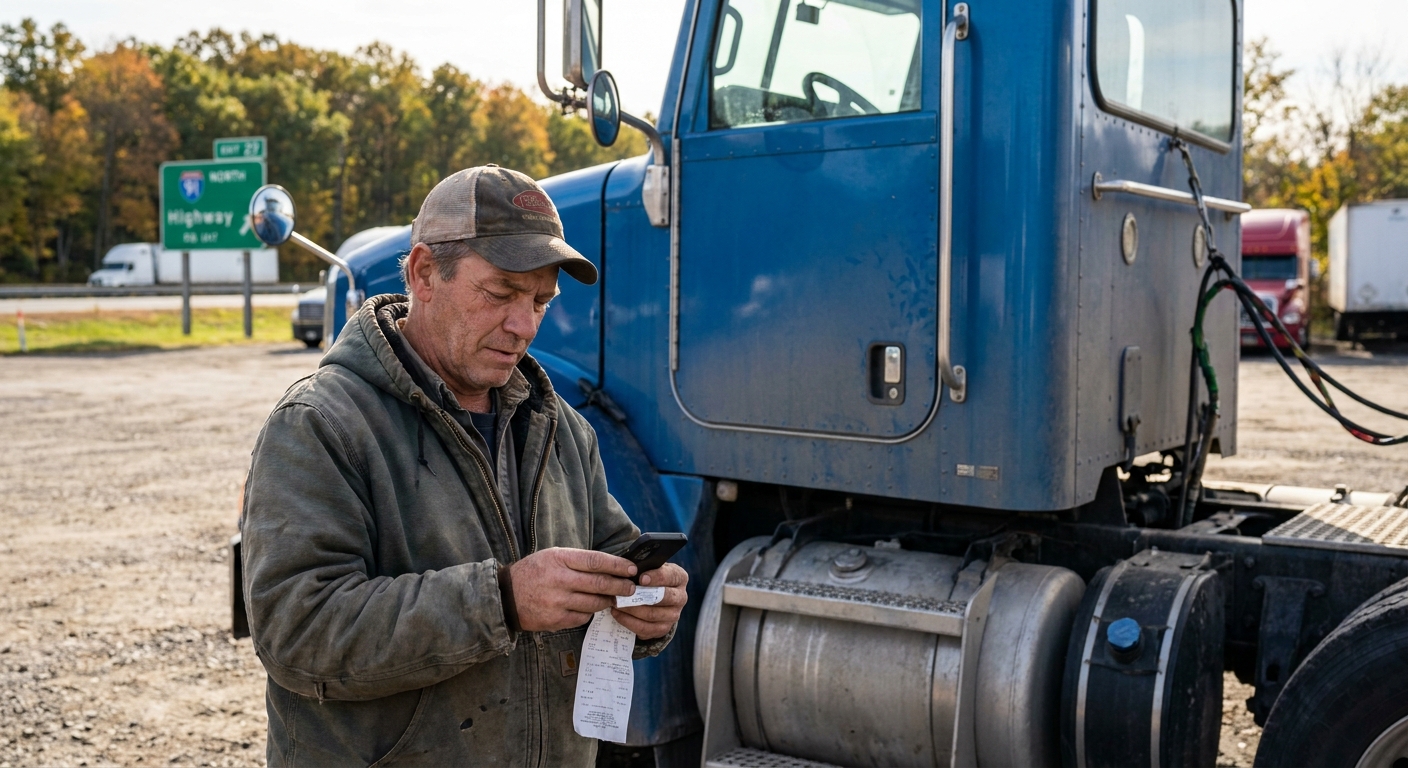
The gap that bankrupts CT owner-operators: when you're leased to a motor carrier, their primary liability policy stops covering you the moment you're not "dispatched on a load." Driving the bobtail tractor to dinner, to your kid's soccer game, or home for the weekend? You're operating uninsured unless you carry your own Bobtail and Non-Trucking Liability (NTL) coverage. A single at-fault accident on the way to a truck stop has wiped out owner-operators' personal assets — homes, retirement, savings — because the carrier's policy didn't apply.
If you're a CT owner-operator leased to a motor carrier — running under their authority, with their DOT number on the door — there's a quiet truth in your operating agreement that most drivers don't think about until something goes wrong. The motor carrier's $1 million primary liability policy covers you only when you're dispatched on a load. The moment you drop the trailer and head to dinner, drive the empty tractor home for the weekend, or run an errand in the bobtail, the carrier's policy stops applying. You are operating a Class 8 truck with no insurance unless you've bought your own.
That's where Bobtail and Non-Trucking Liability (NTL) coverage come in. They are not luxuries. They are not "optional" in any meaningful sense — every leased owner-operator running under another carrier's authority in CT needs them. At iConn Insurance Solutions, we write these policies daily for CT-based leased owner-operators, and this guide is the explanation we walk through at the kitchen table before they sign the dotted line on a lease agreement.
What's the Difference Between Bobtail and Non-Trucking Liability?
Bobtail liability covers the tractor when it's operated without a trailer attached (bobtail), regardless of whether you're dispatched on a load. Non-Trucking Liability (NTL) — also called "deadhead" coverage — covers the tractor (with or without trailer) when it's being operated for any purpose other than the motor carrier's business: personal use, weekend driving, the trip home after dropping the trailer, or driving to a non-business errand. The two coverages overlap on bobtail-and-personal-use trips, but they cover different scenarios — and most CT owner-operators need both.
Confusingly, the trucking insurance industry has used these terms interchangeably for years, and the policy wording varies by carrier. What matters is the scenario coverage, not the label. Read your policy's "Insuring Agreement" and "Definitions" sections for terms like "non-business use" and "while not on dispatch" — those define when the coverage actually applies.
The Four Scenarios Where Leased Owner-Operators Get Burned
Here are the four most common situations where CT owner-operators discover — too late — that the motor carrier's policy doesn't cover them.
1. Driving the Bobtail to Dinner After Dropping the Trailer
You drop the loaded trailer at the consignee, the truck is signed off as delivered, and you head to a diner three miles down the road for dinner before heading to the truck stop. You're now "off dispatch" — the load is complete. A driver pulls out in front of you, you can't stop in time, and there's a multi-vehicle accident with injuries. The motor carrier's primary liability policy will deny the claim because you weren't dispatched on a load at the time of loss. NTL covers this scenario; primary liability does not.
2. Running the Empty Tractor Home for the Weekend
Most CT owner-operators run regional routes Monday through Friday and bring the tractor home for the weekend. The 200-mile run from the terminal in Newark to your home in Bristol, CT — without a trailer, without a load — is exactly the scenario NTL exists to cover. Without it, an at-fault accident on the I-95 / I-91 interchange is your personal financial responsibility.
3. Bobtail Errands and Local Trips
Picking up parts at the truck dealer in Hartford. Driving to your kid's hockey practice in Glastonbury because your pickup is in the shop. Running to the bank. Every one of these trips puts a Class 8 tractor on the road with no primary liability coverage. The 80,000-pound exposure on the wrong end of an intersection accident is one of the most catastrophic personal liability scenarios in CT trucking.
4. Driving Between Terminals on Days Off
You're scheduled off on Saturday but the dispatcher calls — can you reposition the bobtail tractor from the Cromwell yard to the Springfield yard so it's ready for Monday's dispatch? That repositioning trip is often not dispatched-on-a-load coverage, even though it's at the carrier's request. Read your lease agreement carefully — many CT lease agreements specifically exclude bobtail repositioning from primary coverage.
Bobtail vs. NTL vs. Primary — The Coverage Map
| Scenario | Primary Liability (Carrier's Policy) |
Bobtail Liability | Non-Trucking Liability (NTL) |
|---|---|---|---|
| Dispatched on load, trailer attached | Covers | Excludes (load attached) | Excludes (on dispatch) |
| Bobtail to next dispatched pickup | Covers (between loads but on dispatch) | Some policies cover; varies | Excludes |
| Bobtail to dinner / personal use | Excludes | Covers | Covers |
| Driving tractor home for weekend | Excludes | Covers (if bobtail) | Covers |
| Tractor with own personal trailer (camper, boat) | Excludes | Excludes (trailer attached) | Covers |
The cleanest rule of thumb: if the load is dispatched and you're driving the route the carrier asked you to drive, primary covers you. If you're driving for any other reason — personal, household, between-loads bobtail to dinner — you need Bobtail + NTL. CT owner-operators leased on should carry both because the gaps in each policy alone leave exposure.
How Much Does Bobtail and NTL Cost in Connecticut?
For a CT-based leased owner-operator running a typical 2017-2024 day-cab tractor with $1M combined-single-limit on bobtail and NTL coverage, annual premium typically runs $450 to $850 depending on driver age, MVR, and how many personal-use miles the driver puts on the tractor annually. Compared to the $1M+ exposure these policies cover, that's the cheapest insurance on the truck.
Carriers that write CT bobtail and NTL include Progressive Commercial, Great West Casualty, Northland Insurance, Nationwide, and GEICO Commercial. Pricing varies dramatically — we routinely see 40-60% spreads between carriers on identical risks. The reason most owner-operators overpay is that they buy from the same agent who placed their first commercial auto policy and never re-shopped.
Why Independent Brokers Matter for Leased Owner-Operators
A captive agent can only offer the bobtail and NTL programs from one carrier. If that carrier's appetite doesn't match your driver profile — too young, MVR has a recent violation, fleet has more than one tractor — you're either declined or surcharged. An independent broker like iConn Insurance Solutions reaches every major bobtail/NTL market in CT and finds the carrier whose appetite matches your situation today.
Together with our sister agency Insure Connecticut LLC, we cover leased owner-operators across all 12 Northeast and Mid-Atlantic states. We also handle the certificate-of-insurance work with your motor carrier's risk department — most CT motor carriers require proof of bobtail/NTL with their company listed as additional insured before they'll sign the lease.
Key Takeaways
- The motor carrier's primary liability policy stops covering you the moment you're not dispatched on a load.
- Bobtail covers the tractor when no trailer is attached. NTL covers any non-business use, with or without trailer.
- The four highest-risk scenarios: dinner runs, weekend trips home, bobtail errands, repositioning between terminals.
- $1M combined bobtail + NTL coverage costs $450-$850/year for typical CT owner-operators. Cheapest insurance on the truck per dollar of exposure.
- Motor carriers require the carrier listed as additional insured on the bobtail/NTL certificate before the lease is approved.
Frequently Asked Questions About Bobtail and NTL Coverage in CT
Do I need both Bobtail and NTL, or is one enough?
Most CT owner-operators need both, and they're typically sold as a combined policy. Bobtail alone covers only when no trailer is attached; NTL alone may not cover bobtail-to-dispatched-load trips in some policy wordings. Buying them together as a combined liability policy eliminates the wording gaps and costs roughly the same as either coverage alone.
What's the minimum limit I should carry on Bobtail/NTL?
$1 million combined single limit is the CT minimum we recommend. Some motor carriers require $1M; some require $750,000 as the lease minimum. Anything below $1M leaves you exposed in a multi-vehicle accident scenario where injuries push damages into seven figures — and the motor carrier's umbrella will not apply to non-business use claims.
Does Bobtail/NTL cover physical damage to my tractor?
No. Bobtail and NTL are liability-only coverages — they cover damage you cause to others. Damage to your own tractor (collision, comprehensive) requires a separate physical damage policy. Most CT leased owner-operators carry physical damage through the motor carrier's program (deducted from settlements) or through their own commercial auto policy.
Do I need Bobtail/NTL if I own the authority myself?
If you own and operate under your own MC authority — not leased to another carrier — you don't need separate bobtail/NTL because your own primary liability policy can be written to cover all use, business and personal. Most owner-operators with their own authority carry a primary liability policy with "any auto" coverage that eliminates the bobtail/NTL gap entirely.
What if I'm using the tractor for personal use without authorization from the motor carrier?
Most lease agreements require the owner-operator to notify the motor carrier of any non-business use. Unauthorized personal use can void the bobtail/NTL coverage in some policy wordings, and absolutely voids the carrier's primary policy. If you're going to use the tractor for personal trips, get written authorization and confirm your bobtail/NTL policy doesn't have an "unauthorized use" exclusion.
How fast can I get Bobtail/NTL coverage in CT?
Same-day. Most carriers will quote and bind bobtail/NTL within 2-4 hours of receiving a clean application — copy of CDL, copy of lease agreement, MVR, and proof of motor carrier's primary policy. For drivers with clean records and 3+ years CDL experience, instant-quote binding through carriers like Progressive Commercial is standard.
Leased to a motor carrier and not sure your bobtail/NTL is bulletproof? A 10-minute review of your lease agreement and current policy identifies the exact coverage gaps that could leave you personally liable for an off-dispatch accident. Request a free CT owner-operator coverage review from iConn Insurance Solutions, or visit our sister agency Insure Connecticut LLC for owner-operator placement across the Northeast.
Related Content
AI Payment Fraud Incident Response: What to Do First
The first hour after a fraudulent wire can decide whether funds are frozen or lost. Follow this practical response guide for banks, insurers, evidence, law enforcement, and recovery.
Read post →
Hotel and Commercial Property Insurance: Where Should Renewal Savings Go?
A practical guide for hotel and commercial-property owners deciding whether to keep renewal savings, lower deductibles, increase limits or restore coverage.
Read post →AI Fraud Insurance Exclusions: Where Coverage Can Break
A large cyber limit can hide a small social engineering sublimit. Learn how voluntary-transfer language, verification conditions, and overlapping crime coverage can affect AI fraud claims.
Read post →
Connecticut Builders Risk Insurance: 2026 Buyer’s Guide
Connecticut builders risk buyers should update project values, timelines and controls. Learn what to prepare and compare for a 2026 placement.
Read post →