Is Your Trucking ELD Still Legal? Five Devices FMCSA Revoked in August 2026

Compliance Alert
Five ELDs were revoked. The October 6 replacement deadline has passed.
FMCSA removed five electronic logging devices from its registered list on August 6, 2026. Its notice required replacement before October 6, 2026. That window has closed: fleets still using a device that remains revoked face a current roadside enforcement risk, not an upcoming deadline.
For motor carriers, an ELD is not just a screen in the cab. It is part compliance record, part inspection document, part safety management signal, and part of the story an insurance carrier reads when it decides how comfortable it is with your fleet.
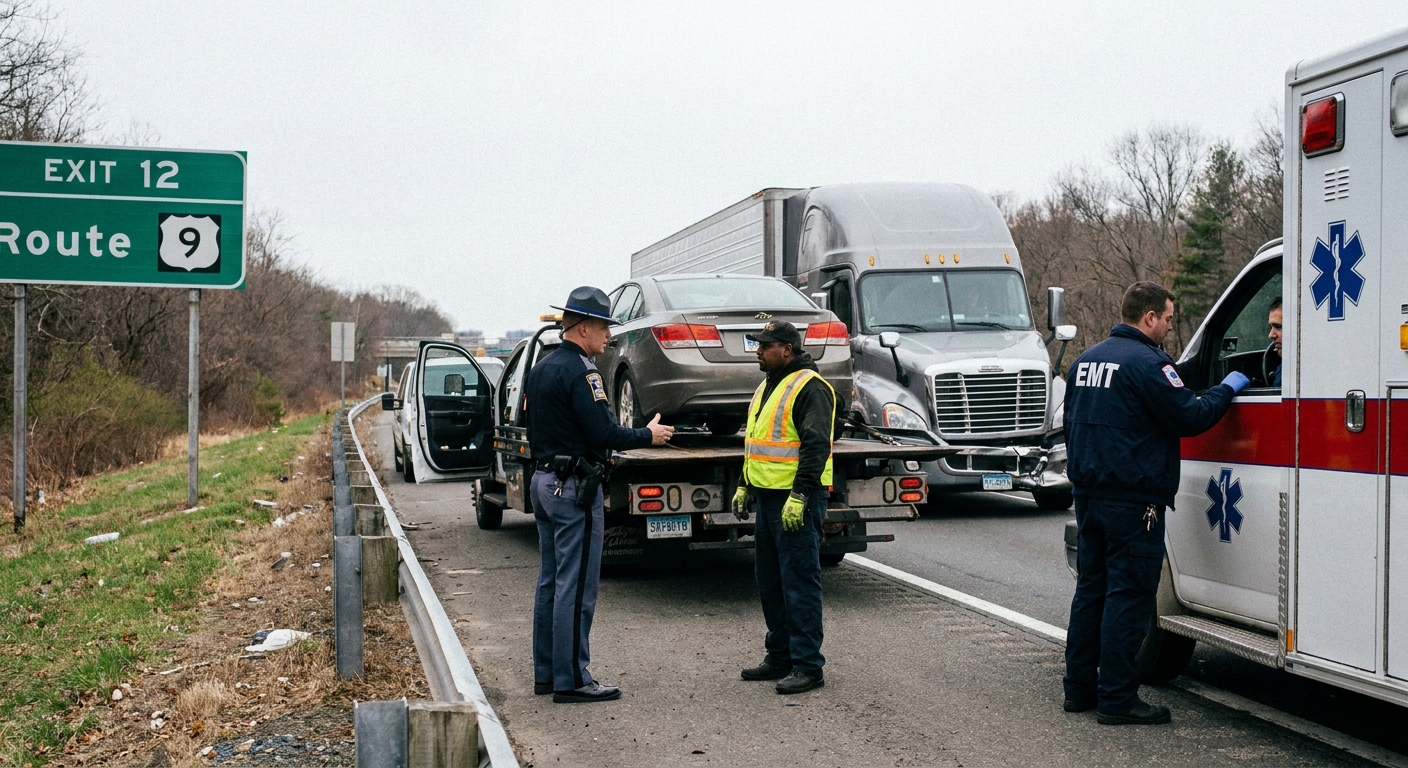
What should Connecticut trucking companies do after the October 6 ELD deadline?
The October 6, 2026 deadline has passed. Connecticut fleets should check the current FMCSA status of MOONLIGHT ELD, HGRS ELD, HIGHEST ELD, TRUCKFORD ELD, and Sparkle ELD. If an affected device remains revoked, replace it with a compliant registered ELD before further operations requiring one. Document the correction; late replacement does not erase earlier violations.
If your fleet operates out of Hartford, New Haven, Bridgeport, Waterbury, Stamford, eastern Connecticut, or across the I-84, I-91, I-95, and Route 15 corridors, this is not only a federal compliance issue. It can affect dispatch continuity, driver availability, customer service, renewal conversations, and claim defensibility.
At iConn Insurance Solutions, we look at these updates through two lenses at the same time: what keeps the truck legal today, and what keeps the insurance submission credible at renewal. A revoked ELD can create problems in both places if it is ignored until an inspection or crash.
Which ELDs did FMCSA revoke in August 2026?
FMCSA's August 6, 2026 notice identified five revoked ELDs. This is the historical notice list, not a claim that every device remains revoked today. FMCSA can reinstate devices after deficiencies are corrected, so check the current official lists and match the exact model and ELD identifier. If a device remains revoked, do not keep using it for operations that require a compliant ELD.
| Revoked ELD | What Connecticut fleets should do now | Why it matters |
|---|---|---|
| MOONLIGHT ELD | Check all assigned tractors and leased units for the device name. | A working screen does not mean the device is still legally registered. |
| HGRS ELD | Confirm whether any driver, owner-operator, or dispatch group uses it. | Mixed-device fleets can miss one revoked unit during a quick audit. |
| HIGHEST ELD | If still revoked, replace it before further operations requiring an ELD. | The notice's October 6, 2026 enforcement date has already passed. |
| TRUCKFORD ELD | Save reports and confirm data export before switching providers. | Historical records may still matter for audits and claims. |
| Sparkle ELD | Document replacement and driver retraining. | Underwriters like to see a controlled compliance response. |
The most common mistake is assuming the office knows every device in every cab. In real fleets, especially fleets that have added leased-on drivers, acquired used tractors, or grown from owner-operator roots, ELD usage can be less centralized than management thinks.
Professional takeaway: this is not a "check one spreadsheet" problem. One noncompliant device in one cab can create a roadside problem for that driver and a management problem for the carrier.
What changed on October 6, 2026?
The replacement period in FMCSA's August notice has ended. The notice required carriers to replace these devices before October 6, 2026, and specified enforcement for continued use on or after that date. There is no remaining replacement window under that notice. Verify current device status rather than relying only on the historical notice or a vendor's assurance.
That matters because the citation is not just a paperwork slap on the wrist. FMCSA's notice states that continued use of the revoked devices on or after October 6 violates 49 CFR 395.8(a)(1), "No record of duty status," and drivers will be placed out of service under Commercial Vehicle Safety Alliance criteria. For devices that remain revoked, this is a present enforcement risk.
For a Connecticut fleet, that can mean a load stuck in New Jersey, Massachusetts, Rhode Island, New York, Pennsylvania, or right here on a Connecticut roadside. If the driver is out of service, the customer does not care that the device was revoked by a federal list update. The freight is still late.
Why does an ELD issue become an insurance issue?
Insurance carriers do not usually price a trucking account based on one ELD model by itself. But they do care deeply about safety management, regulatory discipline, driver controls, roadside performance, and loss history. ELD compliance is part of that broader picture.
Think of the ELD as the black box that proves your hours-of-service process is organized. If the device is revoked and the fleet misses the deadline, the issue can raise uncomfortable questions.
- Who monitors FMCSA compliance updates?
- How quickly does the fleet act on safety notices?
- Are driver logs reliable and exportable?
- Could a claim involve disputed hours-of-service records?
- Is management actively controlling driver fatigue risk?
- Are leased-on drivers using approved systems or their own devices?
Those questions matter at renewal. They matter even more after a serious crash. An accurate replacement record can explain what the company corrected and when. It does not erase a loss, cure earlier violations, or guarantee coverage. If replacement was late, record the actual dates rather than implying the fleet met the deadline.
What should a Connecticut fleet check before replacing a revoked ELD?
Do not make the replacement process only a purchasing decision. The lowest-cost device is not always the best answer if the system creates weak records, poor support, driver confusion, or messy reporting.
| Review area | Question to ask | Insurance relevance |
|---|---|---|
| FMCSA registration | Is the replacement device currently listed as registered? | Shows basic compliance control. |
| Data transfer | Can drivers send records during roadside inspections? | Reduces violation and out-of-service risk. |
| Historical records | Can you preserve prior logs from the revoked system? | Supports audits, disputes, and claims defense. |
| Driver training | Can every driver use the replacement before dispatch? | Prevents avoidable violations after installation. |
| Leased-on drivers | Are owner-operators required to use approved devices? | Protects the motor carrier's safety profile. |
| Renewal timing | When is your next renewal, and can you document the actual correction dates? | Helps shape an accurate underwriter narrative. |
The counterintuitive point is this: the device replacement itself may be less important than the record of how you handled it. A rushed change with no training, no saved logs, and no internal memo can still look sloppy. A documented correction shows the steps taken now, but it should never be presented as proof that a missed deadline was met.
Need a fleet-risk review after the deadline?
Send iConn Insurance Solutions your ELD device model, fleet size, current insurance renewal date, and any recent DOT inspection history. We can help you identify insurance-related concerns and explain corrective action to underwriters. Work with your DOT compliance adviser on whether a truck can legally be dispatched; an insurance review does not extend the expired replacement period.
How should fleets document the ELD replacement?
Documentation does not need to be complicated. Create a factual trail showing when the fleet identified the revoked device, stopped using it, installed a compliant replacement, trained drivers, and retained records. If any step happened after the deadline, document it honestly and review any possible compliance gap with your DOT adviser.
- List of trucks and drivers checked for revoked devices.
- Device names and serial numbers where available.
- Date each revoked device was removed from service.
- Name of the replacement ELD provider.
- Confirmation that the replacement was registered when selected.
- Driver training date and trainer name.
- Saved logs or export instructions from the old system.
- Messages sent to leased-on operators.
This is the kind of practical documentation that helps during a DOT audit, an insurance renewal, or a post-accident investigation. It explains the fleet's actual response, including any delay and the steps taken to prevent a repeat. Do not backdate records or imply corrective action occurred before a citation or crash unless it did.
If your renewal is approaching, this is especially important. Underwriters are already sensitive to trucking accounts with poor roadside performance, driver turnover, nuclear verdict exposure, and thin safety controls. An unresolved ELD issue is an avoidable distraction.
Can Connecticut carriers still rely on the notice's paper-log replacement window?
No. The August notice directed affected carriers to stop using the revoked devices, use paper logs or logging software during the transition, and install a compliant registered ELD before October 6, 2026. That temporary replacement period has expired. Do not treat it as continuing permission to operate on paper logs when an ELD is required. Any separate exemption or exception must independently apply to the operation; confirm that with your DOT compliance adviser.
Paper logs can create extra administrative burden, driver mistakes, missing signatures, math errors, and record-retention issues. For a small Connecticut fleet that is already juggling dispatch, maintenance, certificates, filings, hiring, fuel costs, and renewals, that added friction can become a safety management problem.
The better move: treat an unresolved revocation as an immediate compliance correction, not a new grace period. Assign one person to own it. Confirm each device's current status. Replace any still-revoked device and train drivers before further dispatch requiring an ELD.
Does this only matter for interstate trucking?
The FMCSA ELD rule is a federal rule, so interstate motor carriers should pay close attention. But many Connecticut trucking businesses do not live neatly inside one category. A carrier may run local dump work during the week, cross into Massachusetts or New York on specific jobs, haul equipment into Rhode Island, or pick up occasional interstate freight when the schedule allows.
That mixed operating pattern is exactly why compliance reviews matter. If you are not sure whether all units and drivers are subject to the ELD requirement, ask before assuming. The wrong assumption can show up at the worst time: a roadside inspection, a post-crash review, or an insurance renewal where the carrier asks for updated safety information.
Why independent brokers matter for Connecticut trucking companies
An independent broker is not a substitute for legal counsel, a DOT consultant, or your ELD provider. But a broker who understands trucking can help connect compliance issues to insurance consequences before they become expensive surprises.
For trucking accounts, iConn Insurance Solutions looks beyond premium alone. We want to understand driver controls, vehicle schedules, radius of operation, cargo, filings, loss runs, safety scores, leased-on relationships, and the renewal timeline. Those details influence which carriers are willing to quote, what questions they ask, and how they view the account.
A direct carrier or captive agent may only have one appetite. An independent broker can compare multiple markets and help present the fleet more clearly. That matters when trucking insurance is already tight, claims costs are high, and underwriters are looking for reasons to pass on accounts that appear disorganized.
Connecticut fleet-risk checklist after October 6
Use this checklist now that the replacement deadline has passed:
- Search every truck for MOONLIGHT ELD, HGRS ELD, HIGHEST ELD, TRUCKFORD ELD, and Sparkle ELD; verify the exact model's current FMCSA status.
- Ask leased-on drivers to confirm their device model in writing.
- If a device remains revoked, choose a compliant registered replacement before further operations requiring an ELD.
- Export or preserve prior records from the old system.
- Train drivers before dispatching them with the replacement device.
- Update internal driver instructions and inspection procedures.
- Save proof of replacement and training with the actual completion dates.
- Notify your broker if your renewal is within the next 120 days.
Frequently Asked Questions About Revoked ELDs and Connecticut Trucking Compliance
What ELDs did FMCSA revoke in August 2026?
FMCSA's August 6, 2026 notice named MOONLIGHT ELD, HGRS ELD, HIGHEST ELD, TRUCKFORD ELD, and Sparkle ELD. It required replacement before October 6, 2026; that deadline has passed. Check the current official lists for your exact model because FMCSA can reinstate devices after deficiencies are corrected.
What happens if my trucking company still uses a revoked ELD after October 6, 2026?
FMCSA's notice specifies that continued use on or after October 6, 2026, violates 49 CFR 395.8(a)(1) and results in driver out-of-service enforcement under CVSA criteria. If the device remains revoked, correct the issue before further operations requiring an ELD. The notice's transition period is over.
Can a revoked ELD affect trucking insurance?
Yes, indirectly. A revoked ELD may not change premium by itself, but unresolved compliance problems can affect how underwriters view safety management, hours-of-service controls, and claim defensibility. Document the actual correction dates. Late replacement does not erase prior violations, guarantee coverage, or prove that the deadline was met.
Do Connecticut intrastate trucking companies need to care about this?
Many Connecticut fleets have mixed operations, including occasional trips into New York, Massachusetts, Rhode Island, or other states. If your operation may be subject to federal ELD rules, confirm your device status now instead of waiting for a roadside inspection to decide the issue.
How should I choose a replacement ELD?
Start with FMCSA's registered ELD list, then evaluate support, data transfer, driver usability, record retention, reporting, and integration with your dispatch process. The cheapest device is not always the best risk-management choice if it creates training or reporting problems.
What should I send iConn for a fleet-risk review?
Send your current ELD model, fleet size, driver count, renewal date, radius of operation, recent inspection history, and any known hours-of-service issues. That gives iConn Insurance Solutions enough context to identify insurance-related concerns before your next renewal or DOT event.
Sources
The deadline has passed. Verify compliance and document the fix.
One revoked device can feel like a small technology issue until it sidelines a driver, complicates a claim, or raises questions at renewal. If you operate a Connecticut fleet, verify every device's current FMCSA status now. Replace any still-revoked ELD before further operations that require one, preserve your records, and document the actual correction dates.
To start a review, send iConn Insurance Solutions your ELD device model and insurance renewal date. We will help you look at the compliance issue through a fleet-risk and underwriting lens.
Contenido relacionado
Is Your Trucking ELD Still Legal? Five Devices FMCSA Revoked in August 2026
The October 6, 2026 replacement deadline for five revoked ELDs has passed. Connecticut fleets should verify device status, correct noncompliance, and document the fix.
Leer artículo →
AI Privacy, Bodily Injury, and Property Damage: The Exposures Businesses Miss
AI liability is not limited to wrong answers. Privacy, bodily injury, and property damage claims can arise when people act on AI outputs.
Leer artículo →
Generative AI Insurance: The Coverage Gap Businesses Need to Know
Generative AI is already in customer support, marketing, operations, and professional services. Here is why businesses deploying AI should review third-party liability exposure now.
Leer artículo →
AI Hallucinations and Bad Outputs: The Liability Problem Behind Confident Wrong Answers
AI hallucinations can become liability claims when customers, clients, vendors, or users rely on confident wrong answers and suffer financial loss.
Leer artículo →