
- Home
- Life Insurance
- Health Insurance
-
Personal Lines
Car Insurance Classic Car Insurance Homeowner's Insurance High-Value Home Insurance Condo Insurance Renters Insurance Landlord Insurance Dwelling Fire Insurance Vacant Dwelling Insurance Home Warranty Pet Insurance Flood Insurance Travel Insurance Jewelry Insurance Umbrella Insurance Motorcycle Insurance Watercraft Insurance Event Insurance Personal Articles Floater
-
Commercial Lines
AI Insurance Barbershop & Salon Insurance Builder's Risk Insurance Business Owner's Policy Cannabis Business Insurance Coffee Shop Insurance Commercial Auto Commercial Event Insurance Cyber Liability Insurance Employment Practices Liability (EPLI) Error and Omission General Liability Insurance Ghost Worker's Compensation Policy Hotels, Destination & Resorts Industry Specific Inland Marine Insurance Liability Insurance Real Estate Investors Short Term Rental Small Business Insurance Tattoo Insurance Trucking Insurance Worker's Compensation Pilates Instructors
- About Us
- Resources
Trucking Insurance
Comprehensive guides, expert insights, and practical advice about Trucking Insurance coverage options. Get the knowledge you need to make informed insurance decisions.
Trucking Insurance articles
Everything you need to know about Trucking Insurance coverage, benefits, and protection strategies
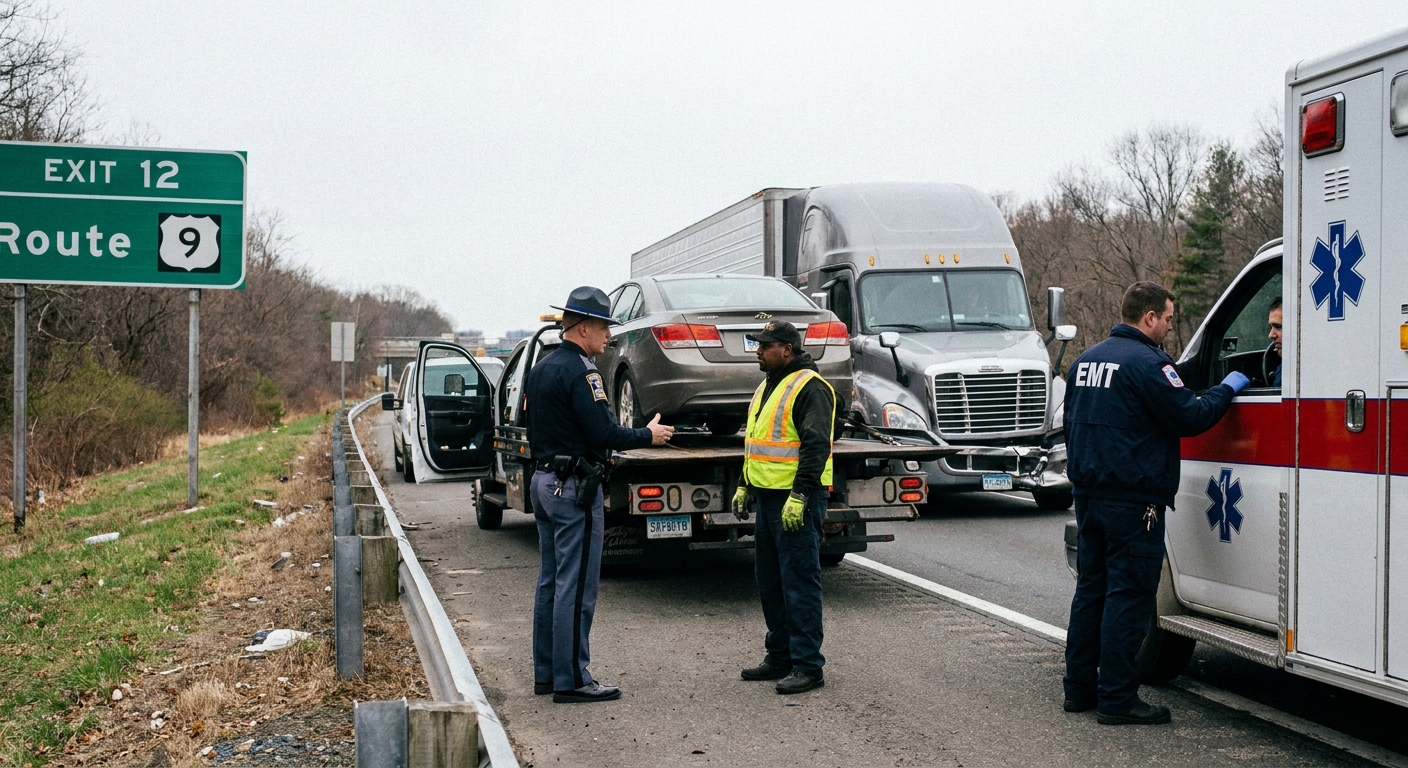
How to File a Trucking Insurance Claim in Connecticut: Step-by-Step Guide
Accident, cargo loss, or theft? How you handle the first 24 hours decides how the claim gets paid. Step-by-step from the scene to the settlement check.

Workers' Comp for Connecticut Truckers: Employees, Owner-Ops & Occupational Accident
CT requires workers' comp for any trucker with even one employee. Owner-ops have options — but occupational accident isn't a comp substitute. Here's the breakdown.
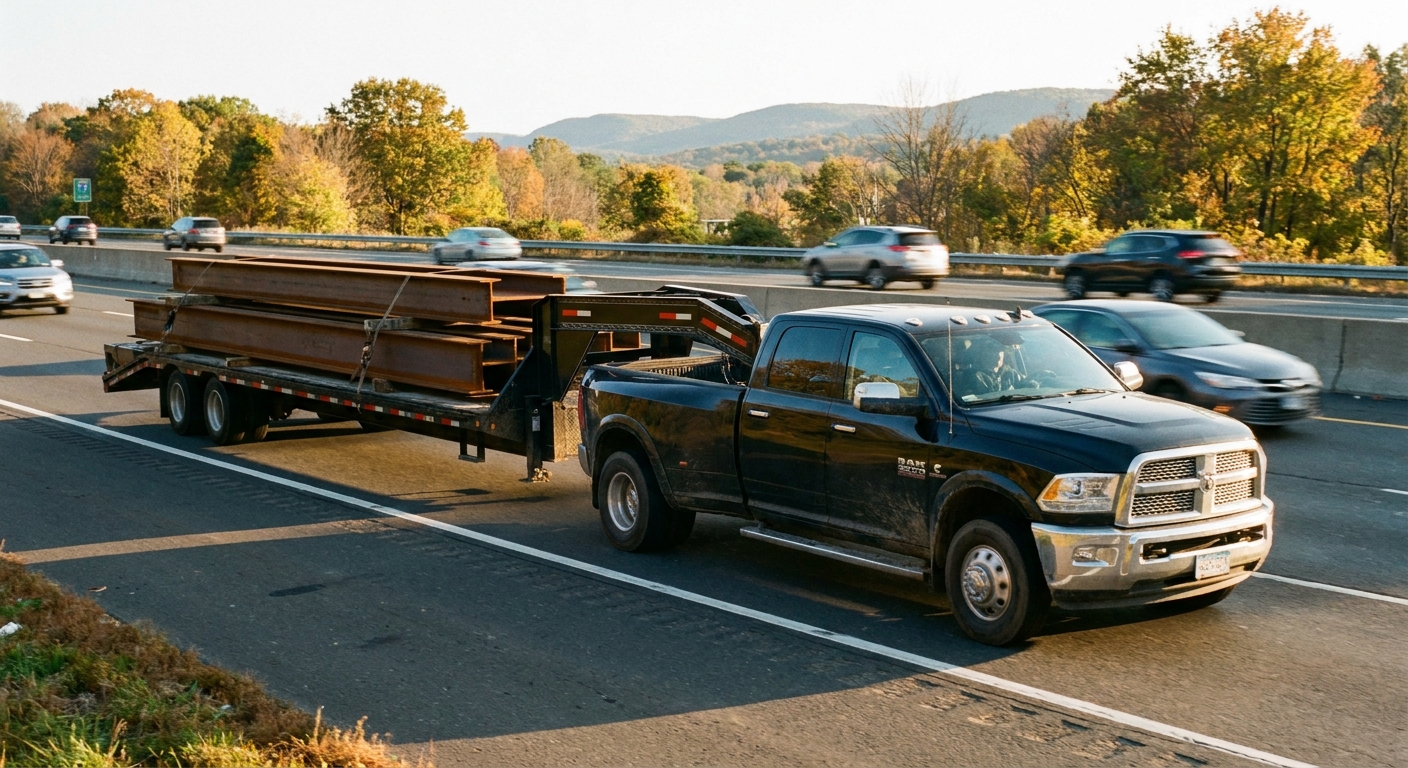
Hot-Shot Trucking Insurance in CT: Coverage for Class 3-5 Operators
Hot-shot operators in CT — running a 1-ton dually with a gooseneck — face different insurance rules than Class 8 fleets. Here's what you actually need.
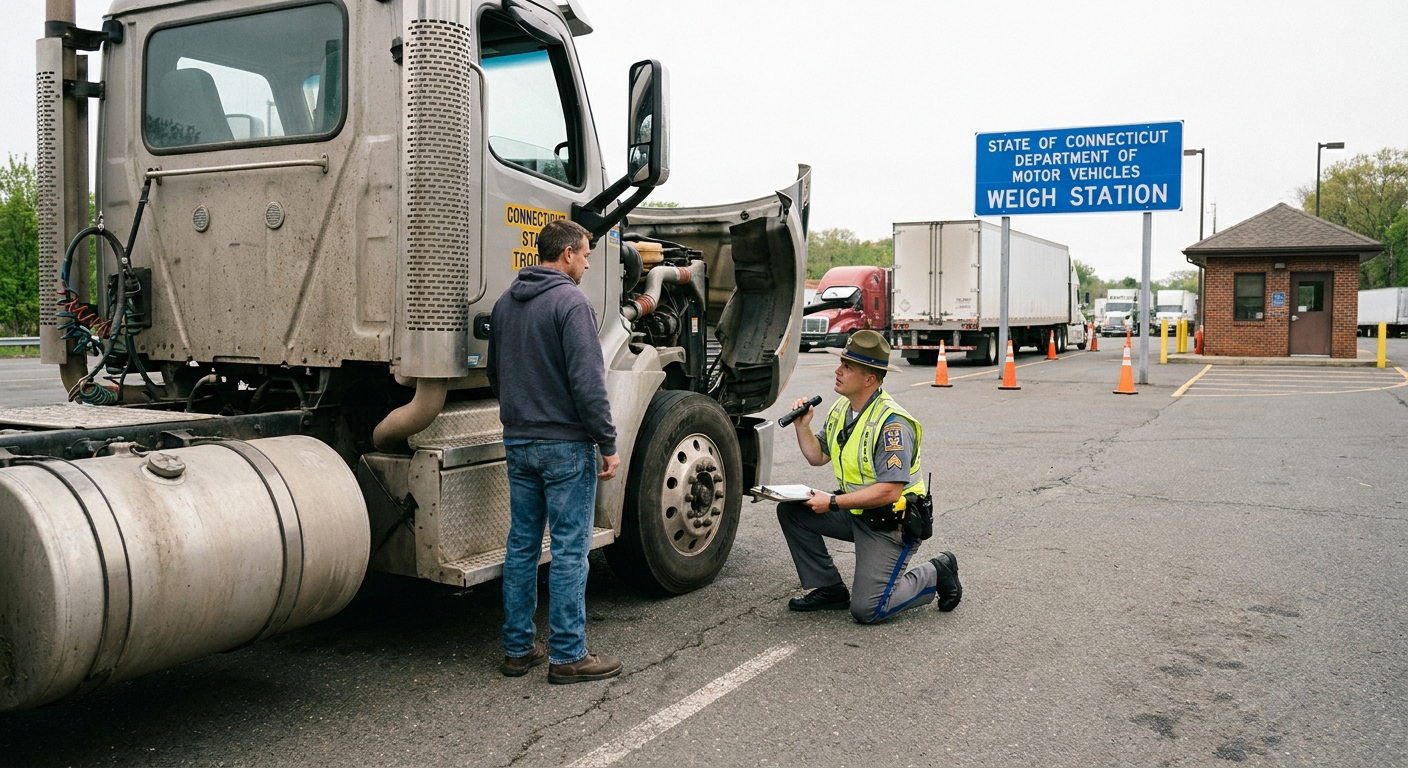
CSA Scores & Trucking Insurance: How FMCSA Data Hits Your Premium
Bad CSA BASICs can double your trucking premium — or get you non-renewed. Here's how underwriters read FMCSA data and what CT carriers can fix fast.
Bobtail & Non-Trucking Liability Insurance: What CT Owner-Ops Need to Know
Driving your rig without a load? Your primary auto liability won't cover you. Here's how bobtail and NTL fill the gap — and why CT lessors require it.
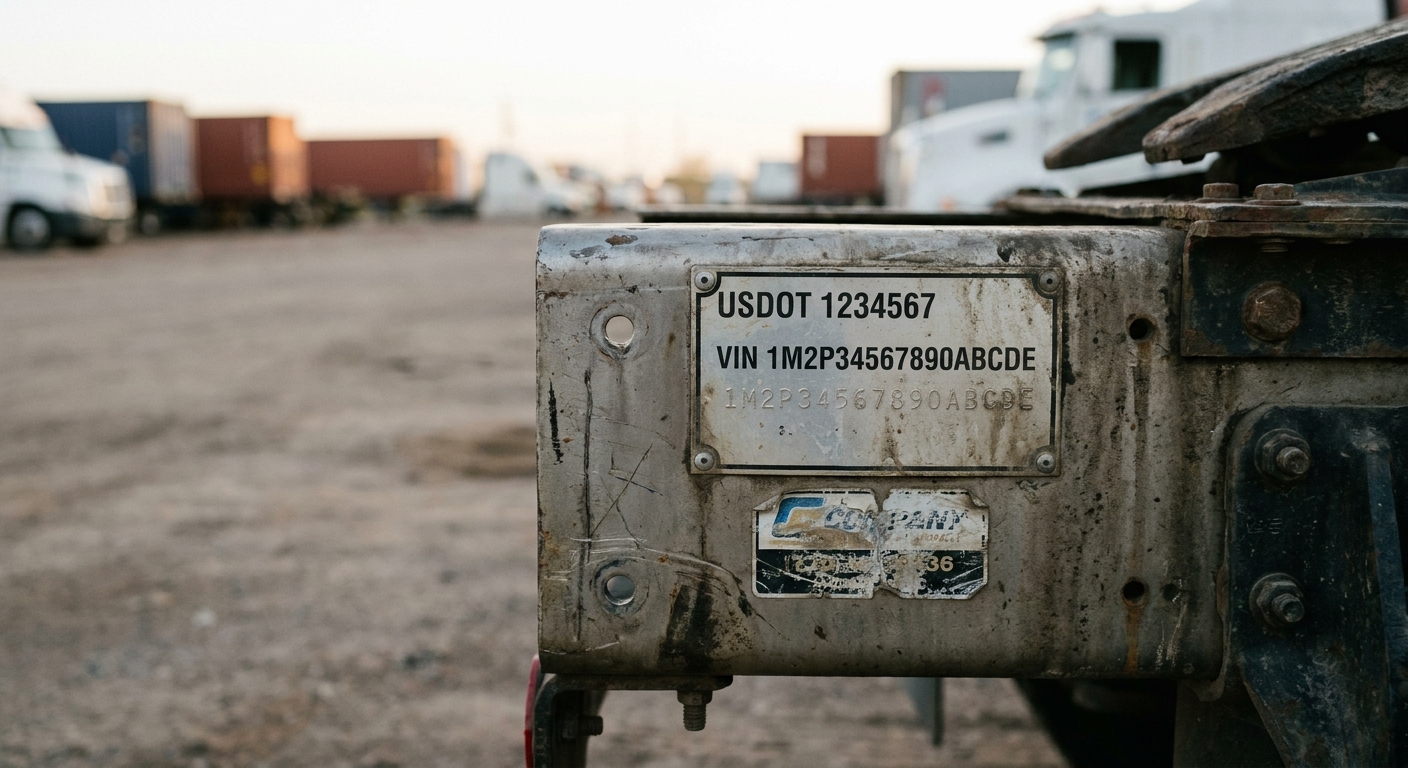
Trucking Liability Limits in CT: How Much Coverage Do You Really Need?
Federal minimum is $750K for general freight — but most CT shippers, brokers, and lenders demand $1M. Hazmat hits $5M. Here's how to size limits right.

Motor Truck Cargo Insurance in CT — Limits, Exclusions & Reefer Breakdown
Motor truck cargo covers the freight you haul. CT brokers usually require $100K limits — but reefer, high-value, and produce loads need much more.

Hired & Non-Owned Auto for CT Trucking: Dispatch, Brokers & Owner-Ops
Hired Auto covers vehicles you rent. Non-Owned Auto covers your team's personal vehicles on company business. CT pricing, FMCSA hooks, and the 4 claim-killers.
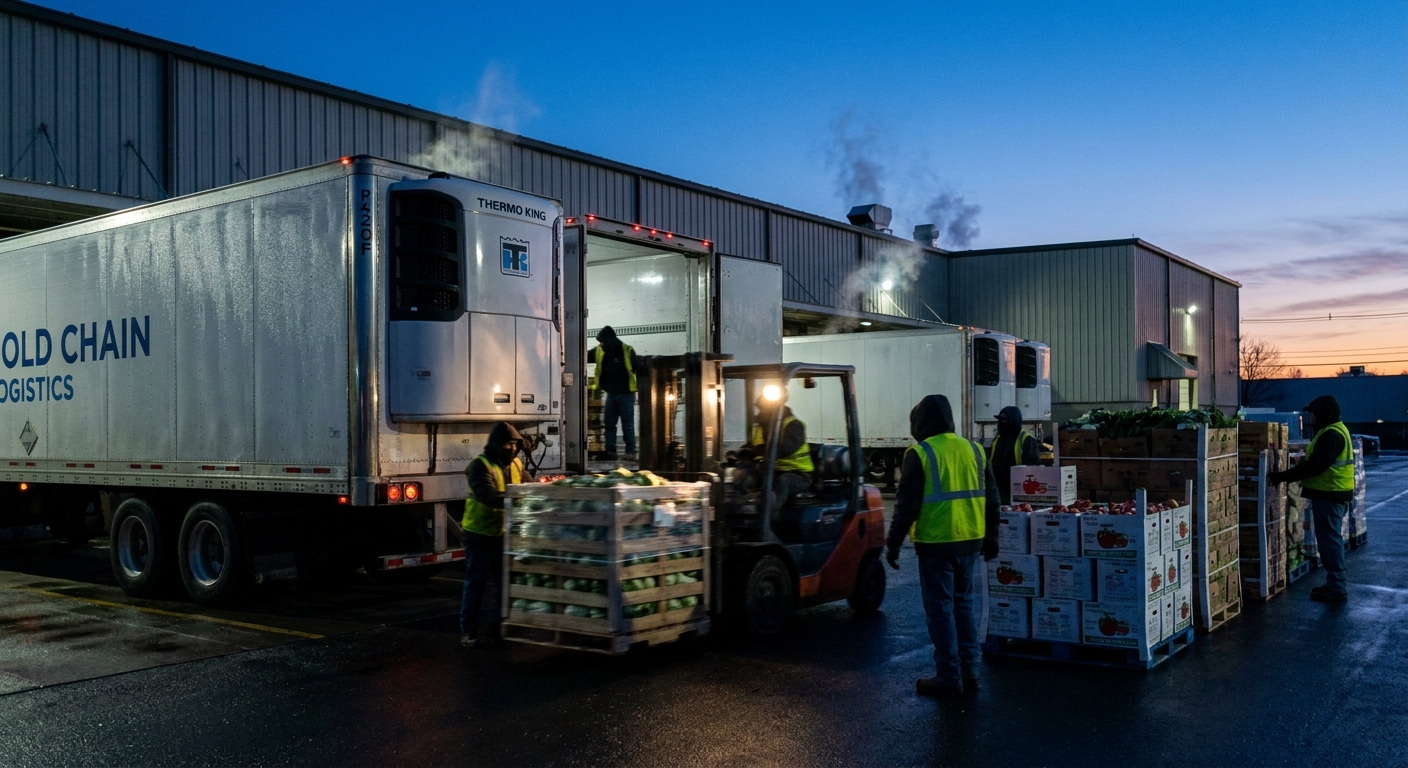
Reefer Breakdown Insurance for CT Trucking: Endorsements, Sublimits & the 4 Denial Traps
Standard cargo insurance excludes spoilage from reefer breakdown. The endorsement that covers it, what it costs in 2026, and the 4 documentation traps that drive 90% of denials.
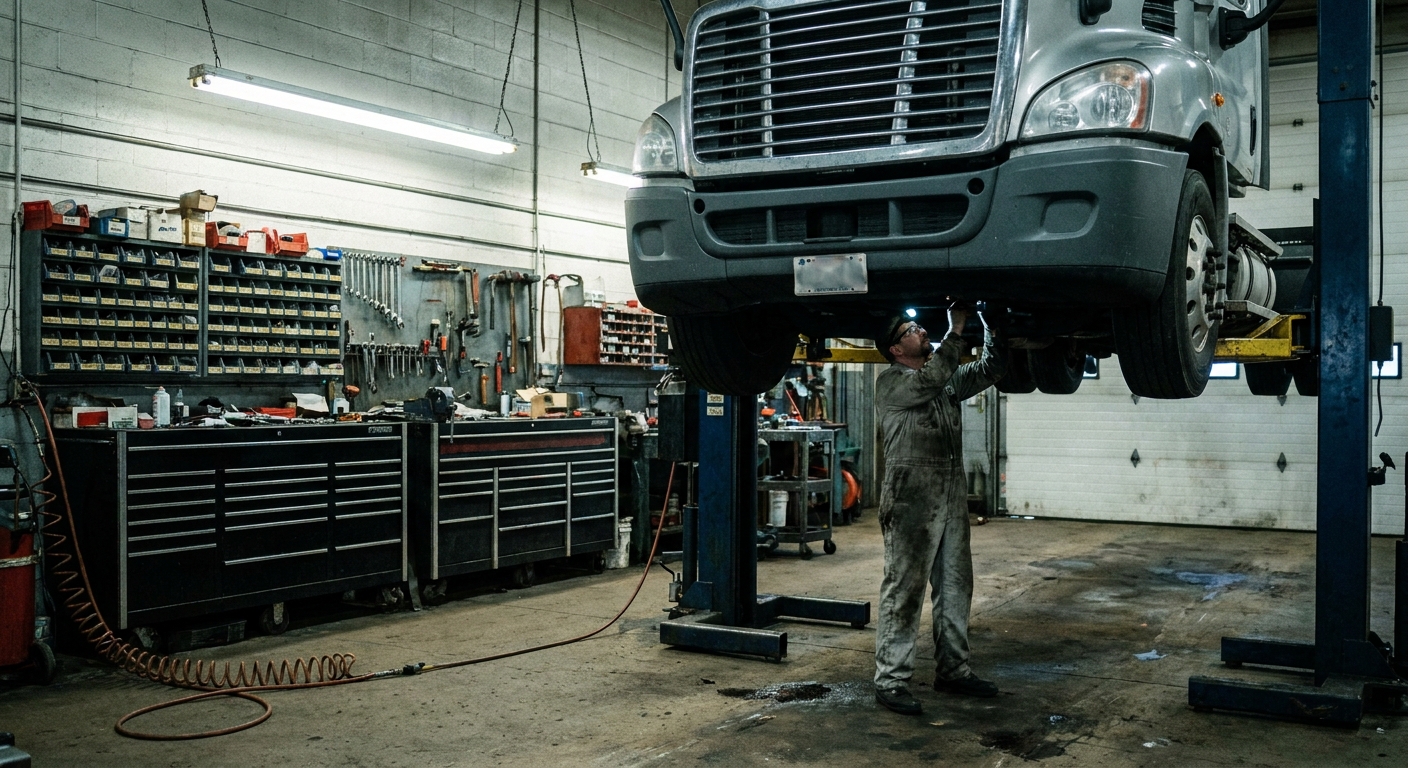
Garage Liability & Garagekeepers for CT Trucking: A Shop Operator's Guide
If you wrench on trucks for hire — or even loan a bay to a friend — your commercial auto policy will not cover damage to a customer's rig. Garagekeepers will. Here's how it works in CT.

Workers' Comp for CT Trucking: Class Codes, E-Mods, and the 6 Habits That Lower Premium
CT trucking carries among the highest WC rates. Class codes, e-mod math, and 6 habits that drop premium for motor carriers in 2026.
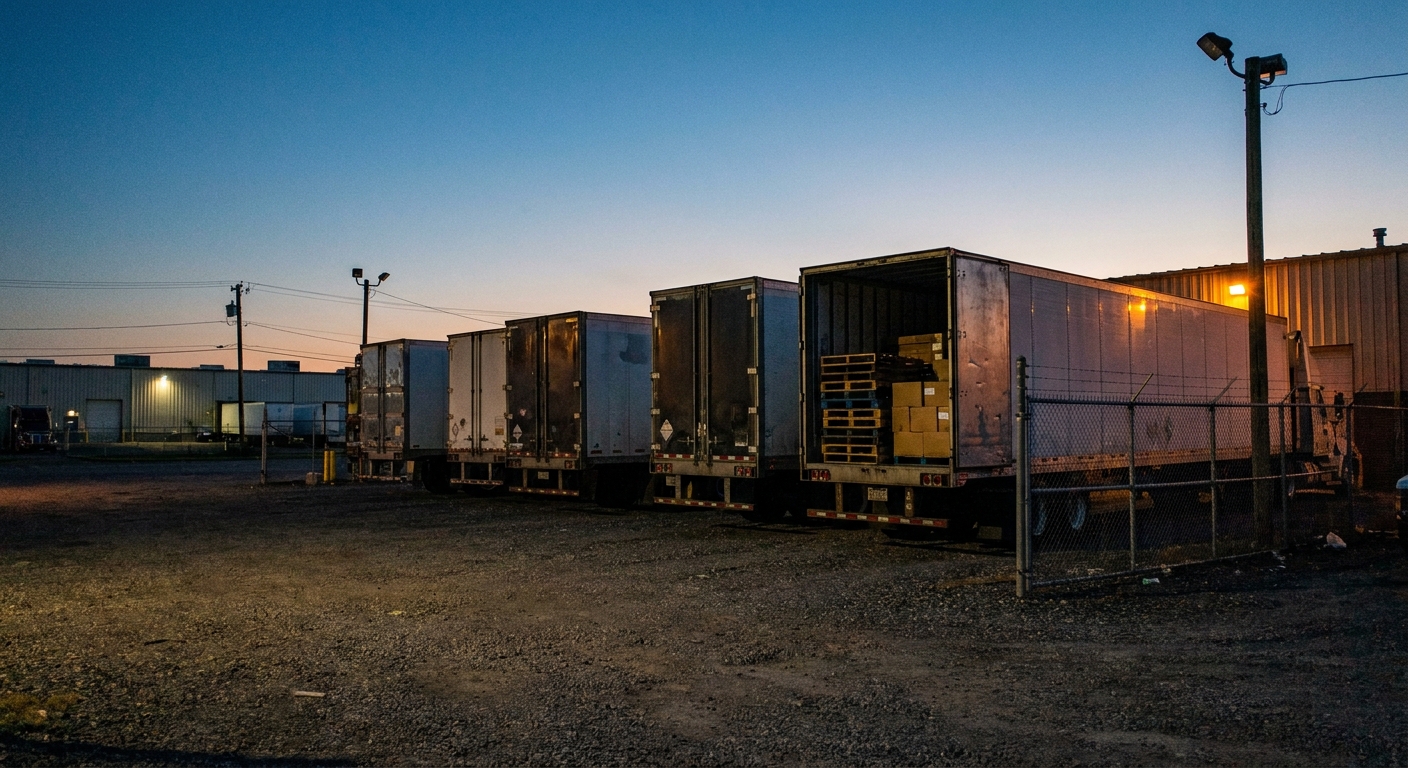
Trailer Interchange and Drop-Trailer Coverage: The CT Trucking Gap Most Operators Miss
Drop-and-hook operations hide insurance gaps. The three drop-trailer variants, UIIA requirements, and 5 habits that keep claims insurable for CT motor carriers.
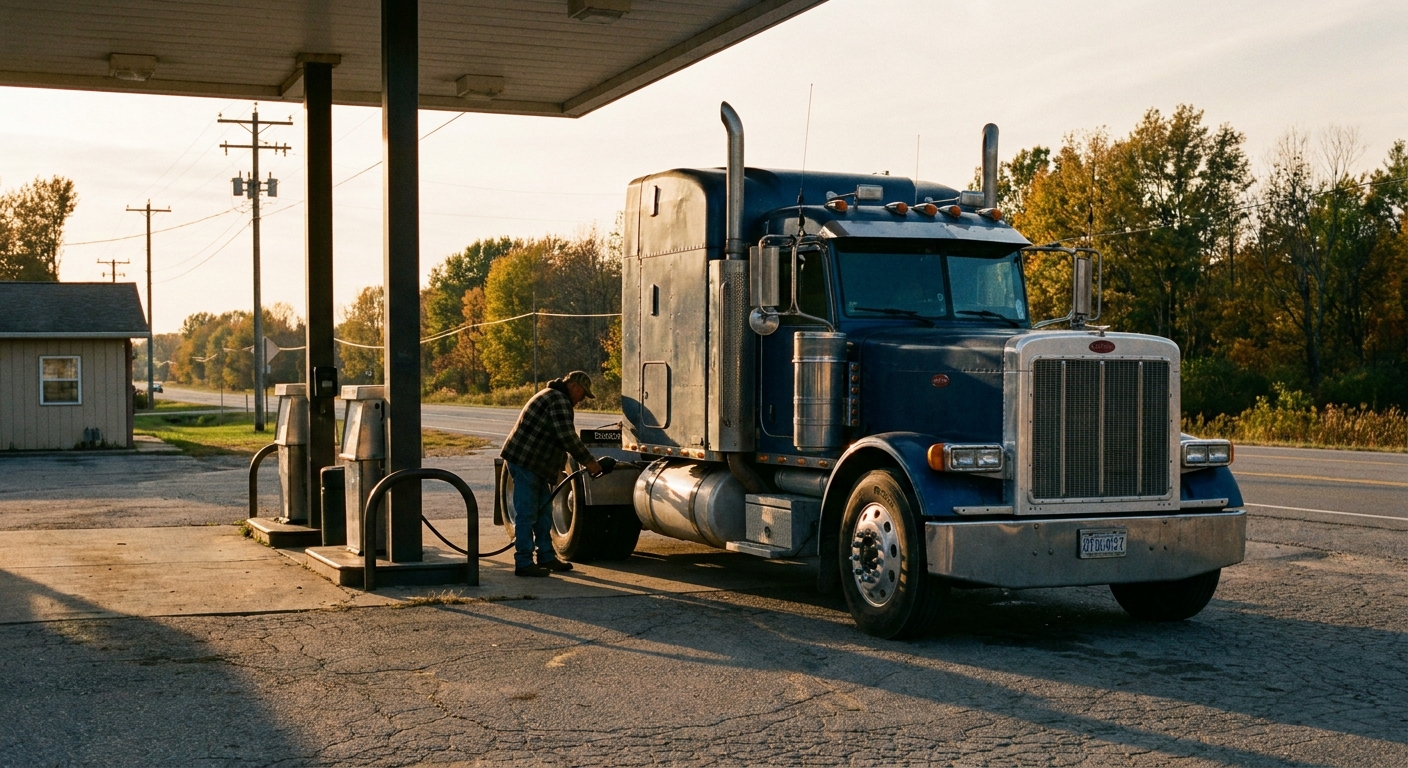
Owner-Operator vs Fleet Trucking Insurance: Which Do You Actually Need?
Owner-op or fleet trucking insurance? The line falls at three power units. See the carriers, coverages, and cost-per-unit at every class in 2026.
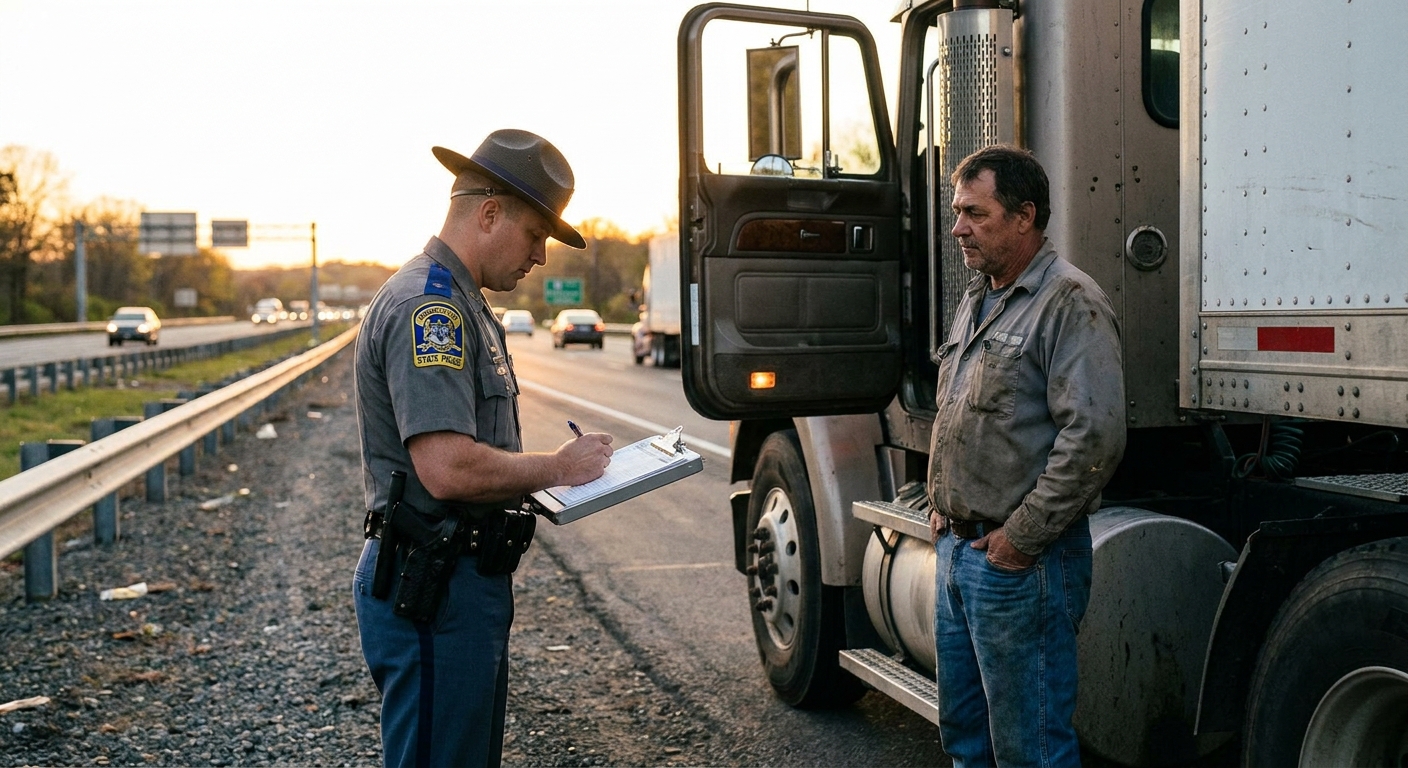
CSA Scores Explained: What CT Trucking Owners Need to Know About FMCSA's Scoring System
FMCSA CSA scores are percentile ranks, not absolute grades. The 7 BASICs, intervention thresholds, and 5 habits that pull elevated scores back down for CT motor carriers.

Bobtail and Non-Trucking Liability: The CT Owner-Operator Coverage Gap That Bankrupts
Leased owner-operators lose carrier liability the moment they're off dispatch. Bobtail + NTL close the gap. The 4 scenarios that have bankrupted CT drivers.

Motor Truck Cargo Insurance: What CT Truckers Actually Get When a Load Goes Wrong
Cargo policies have 14-22 exclusions. The 8 that drain CT claims, how per-conveyance limits and valuation work, and the Carmack backstop motor carriers must know.

What Is an MCS-90 Endorsement — And Why Every CT Trucker Needs One?
The MCS-90 is a federally required endorsement that protects the public — not the trucker. Here's how it actually works, and why CT carriers need one.
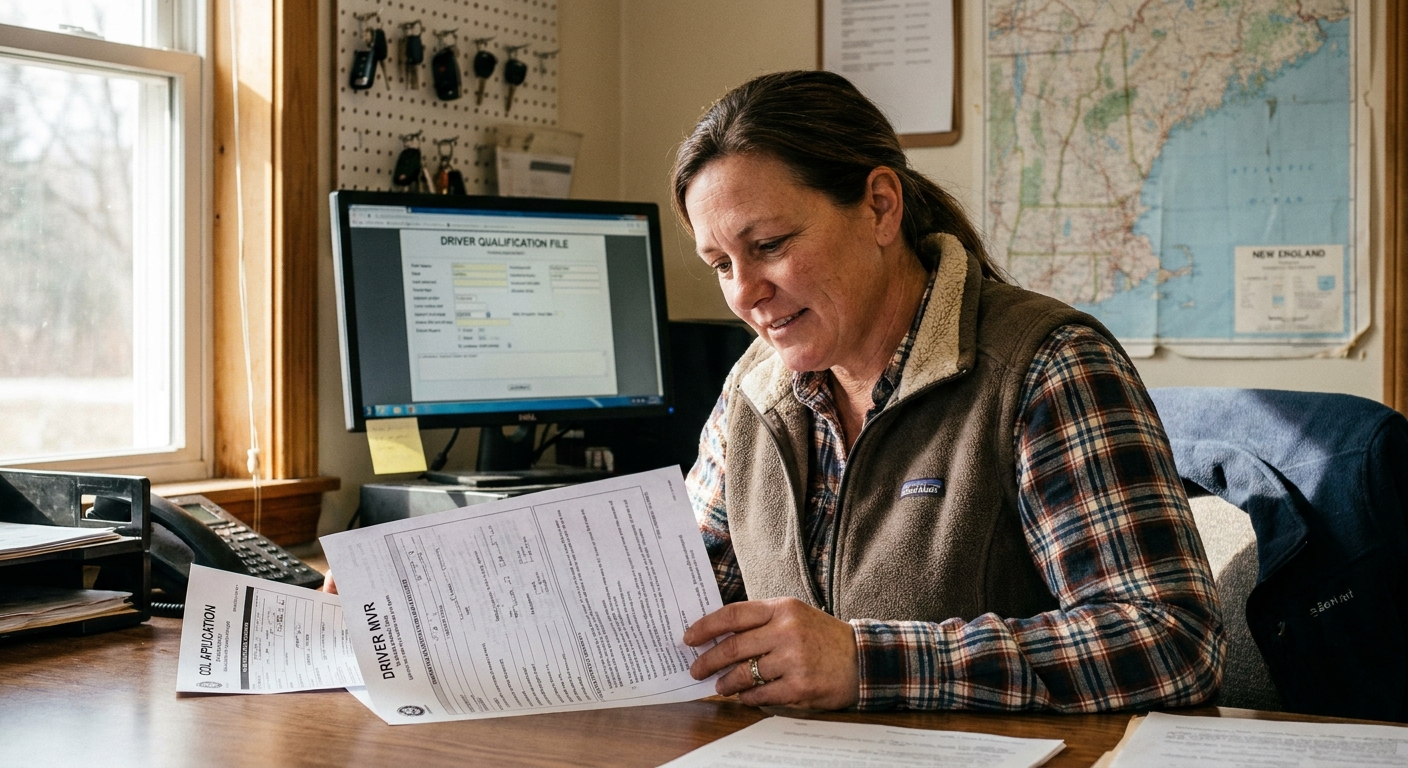
Driver Hiring & MVR Reviews: The CT Trucking Playbook That Lowers Your Premium
70% of CT trucking claims trace to drivers. The 3 reports underwriters require, 6 hiring habits that lower premium, and the disqualifiers to set in writing.
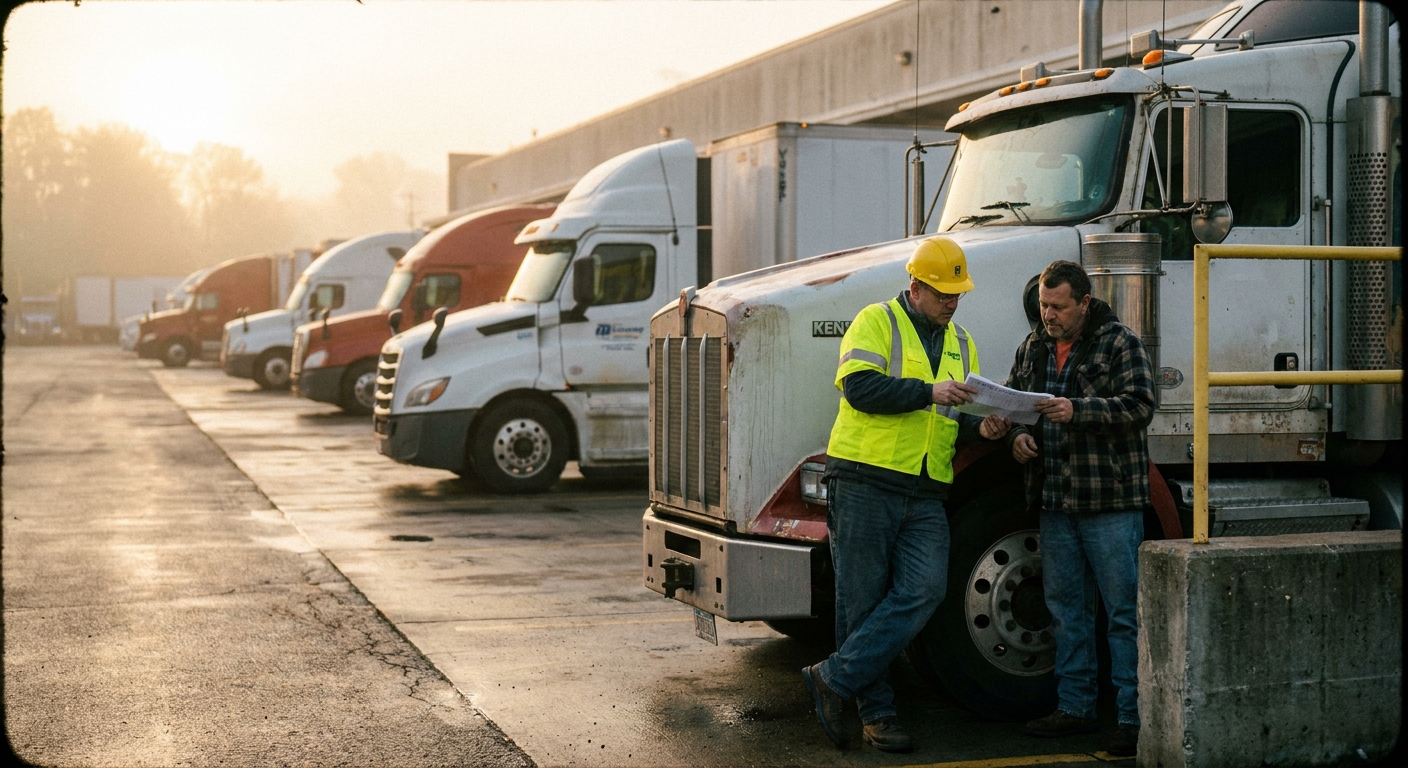
DOT Audits & FMCSA Compliance: How CT Truckers Pass (and Why It Hits Your Premium)
A DOT audit can swing your CT trucking premium 20-40% overnight. See the three audit types, what FMCSA inspectors actually check, and the 6 habits that pass.
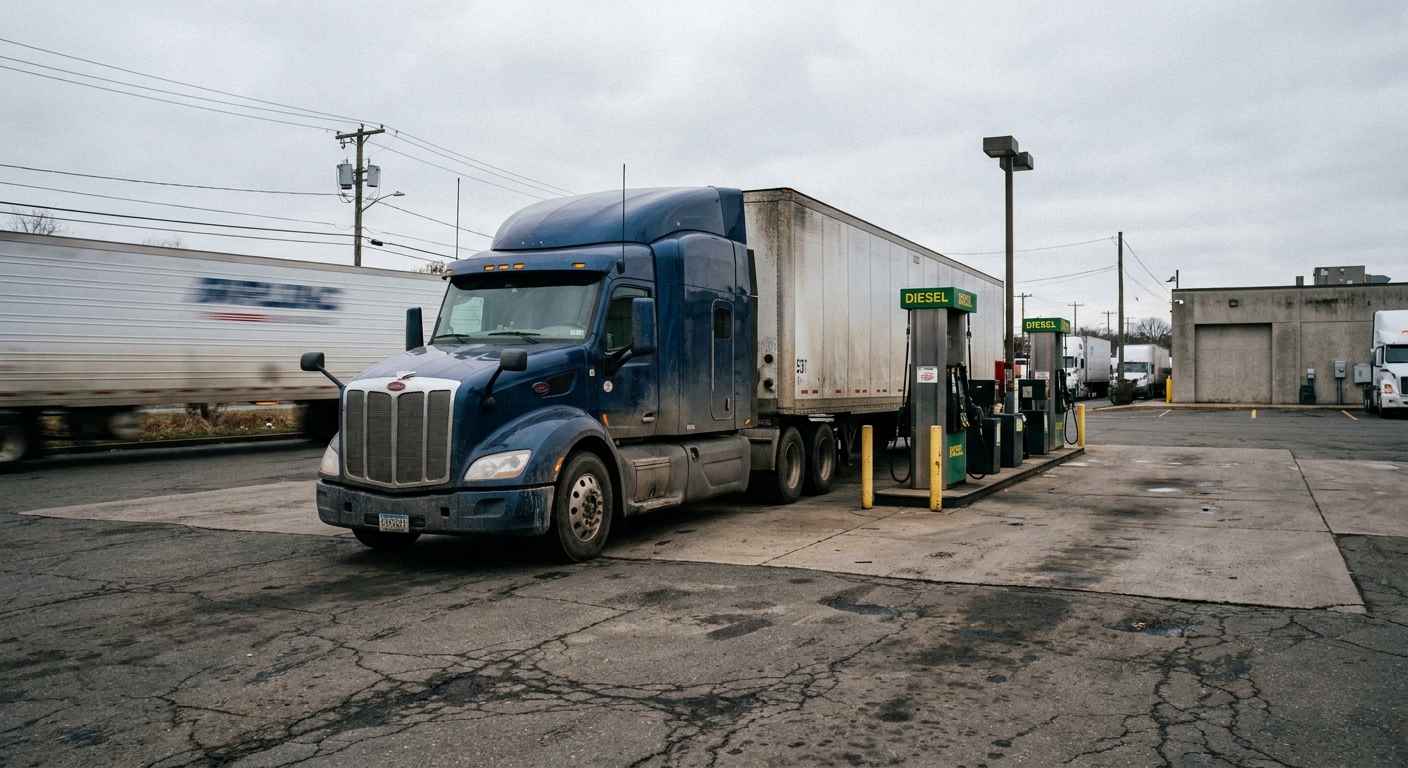
How Much Does Trucking Insurance Cost in Connecticut in 2026?
Trucking insurance in CT runs $6K-$14K per power unit in 2026. See real per-class pricing for owner-ops, fleets, reefer, hazmat, and hot-shot operators.