Film, TV & Content Creator Insurance in Connecticut: The 2026 Guide
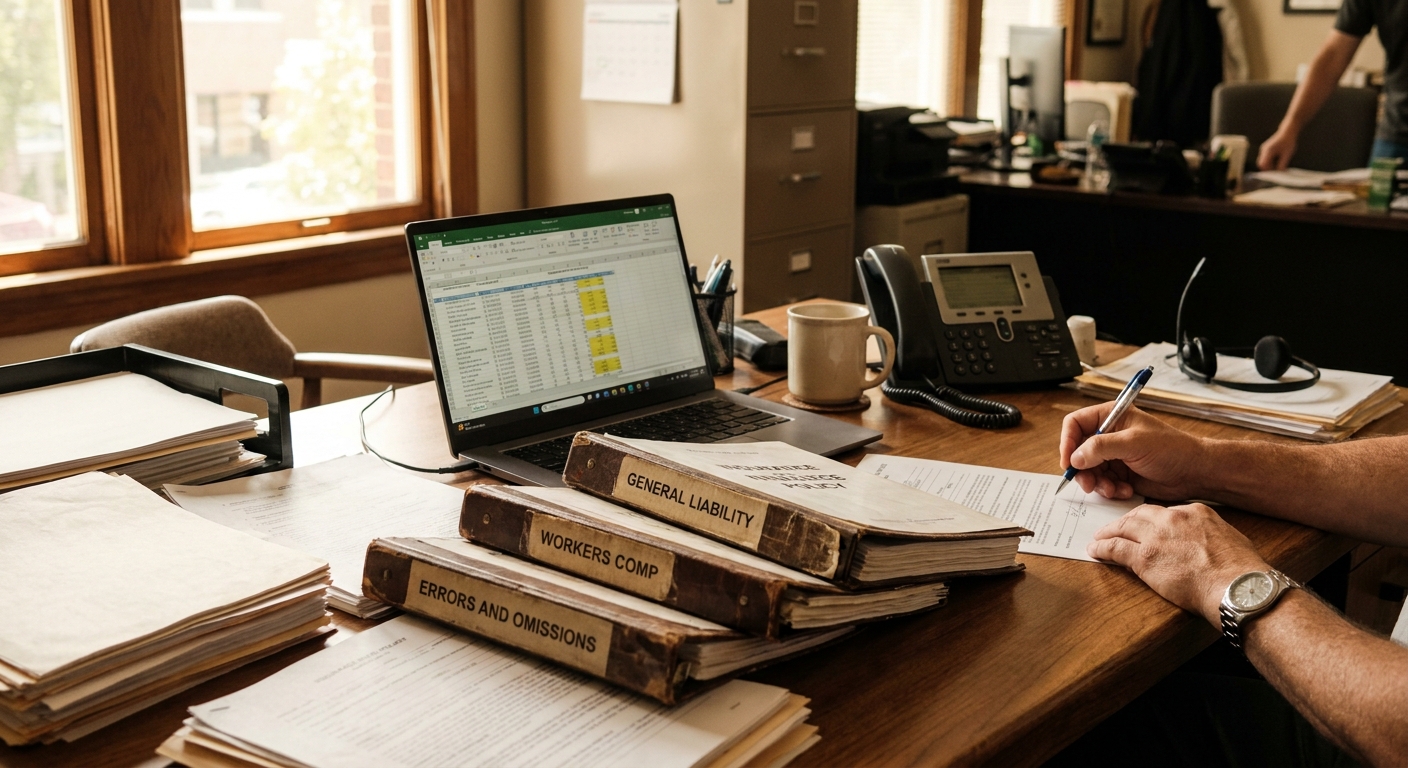
What insurance do film, TV, and content creators need in Connecticut?
Film, TV, and content creators in Connecticut usually need a mix of general liability, production package coverage, equipment coverage, workers' compensation, hired and non-owned auto, drone liability, media liability or E&O, cyber, and umbrella insurance. The exact package depends on whether the work is a one-day shoot, a documentary, a branded-content studio, a YouTube channel, a podcast network, or a full production company.
The creator economy has made production risk look deceptively simple. A three-person crew can shoot a restaurant reel in New Haven, a wedding filmmaker can fly a drone over the shoreline, a podcast studio can publish weekly interviews from Hartford, and a corporate video team can rent a Fairfield County office for a commercial shoot. None of those projects feels like a Hollywood production. All of them can create insurance problems.
This guide is broader than a traditional film-production article. We already have deeper resources on film production insurance in Connecticut and the Connecticut film and digital media tax credit. This pillar is for the messy middle: production companies, TV crews, social-first content teams, podcasters, YouTubers, influencers, documentary filmmakers, commercial studios, and branded-content creators who need coverage that matches how content is actually made in 2026.
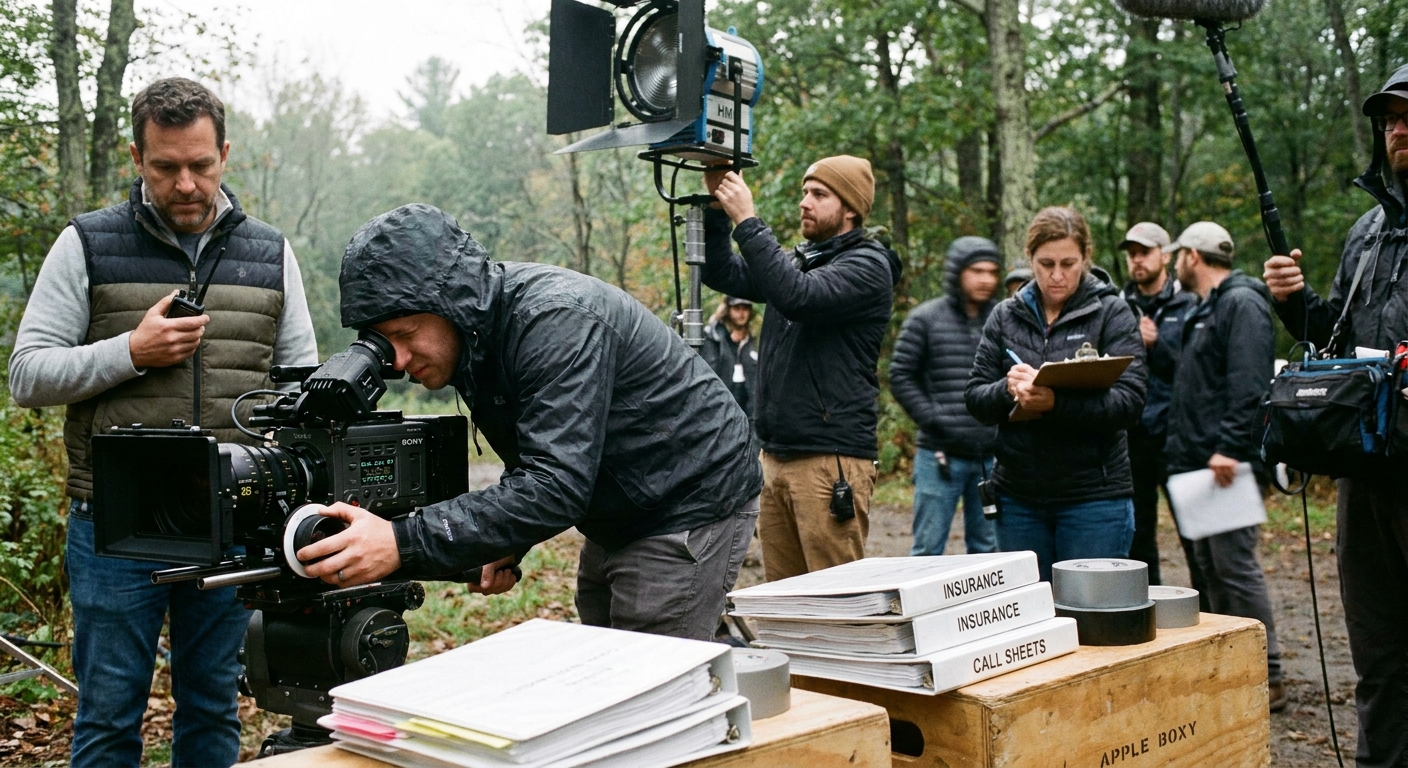
Why is creator insurance different from regular business insurance?
A standard business policy is built around predictable premises, employees, customers, and property. Content work moves. It uses rented locations, borrowed props, freelance crews, client-owned premises, drones, vehicles, talent releases, copyrighted material, brand contracts, rented equipment, and digital distribution. That is why a generic small-business package can look fine until a venue asks for a certificate, a camera rental house asks for inland marine wording, or a distributor asks for E&O.
The Insurance Information Institute explains that a businessowners policy packages common property and liability exposures for many small businesses. That is useful background, but film, TV, and creator operations frequently fall outside the clean small-business box. A coffee shop BOP and a creator studio BOP may both say "business insurance," but the loss scenarios are not the same.
Connecticut also has local context. The Connecticut Department of Economic and Community Development lists film and digital media tax credits of up to 30% for qualifying production and post-production expenses. That program attracts serious productions, but it also pulls smaller vendors, creators, editors, camera operators, sound teams, studios, and agencies into the orbit of professional production standards.
Local reality: A Stamford commercial crew, a Hartford podcast studio, a shoreline wedding filmmaker, a New Haven documentary team, and a Fairfield County influencer agency may all need different coverage even if they all describe themselves as "content creators."
What policies belong in a film, TV, or creator insurance stack?
The right stack starts with the work you actually do. A one-person creator who only films in a home studio has a different risk profile from a production company that rents locations, hires crew, flies drones, shoots around vehicles, stores $80,000 of equipment, and delivers commercials to national brands.
| Coverage | What it protects | Who usually needs it |
|---|---|---|
| General liability | Third-party injury or property damage from operations | Anyone filming at client sites, venues, public locations, or rented spaces |
| Production package | Cast, props, sets, wardrobe, extra expense, negative film or digital media, third-party property damage | Film, TV, documentary, commercial, and larger branded productions |
| Equipment floater | Owned, rented, or borrowed cameras, audio, lighting, grip, computers, and editing gear | Creators with meaningful gear values or rental-house obligations |
| Workers' compensation | Employee work injuries and statutory benefits | Production companies, studios, agencies, and creators with employees or payroll crew |
| Hired and non-owned auto | Liability from rented vehicles or employee/freelancer vehicles used for business | Crews moving gear, running production errands, or renting vans |
| Media liability / E&O | Copyright, defamation, privacy, trademark, clearance, and content claims | Documentaries, podcasts, YouTube channels, scripted content, broadcasters, and branded campaigns |
| Drone liability | Bodily injury, property damage, and sometimes hull exposure from UAV operations | Any creator using drones commercially |
When is a BOP enough, and when is it the wrong tool?
A businessowners policy can be useful for a small studio, editing shop, podcast office, or low-risk creator business. It may package premises liability, business personal property, business income, and basic cyber or equipment endorsements at a reasonable price. The problem is not that a BOP is bad. The problem is assuming the BOP covers production work it was never designed to cover.
If you are mainly producing content from a controlled office or home studio, with limited outside shoots and modest equipment, a BOP plus equipment, cyber, and media endorsements may be a practical starting point. If you are on location, hiring crew, renting equipment, working under client contracts, using drones, or publishing content that could trigger rights claims, you need a more specialized review.
- A BOP may not satisfy a film office, venue, studio, school, municipality, or corporate client certificate request.
- A BOP may not cover rented camera equipment away from the premises unless properly endorsed.
- A BOP usually does not replace production package coverage for cast, props, sets, wardrobe, or extra expense.
- A BOP does not automatically solve media liability or distributor E&O requirements.
How much does Film, TV, and content creator insurance cost?
Small creator policies can be inexpensive, but serious production coverage is not a flat-price product. Cost depends on budget, revenue, payroll, gear values, crew size, locations, subject matter, vehicle use, drones, stunts, distribution, claims history, and required limits.
As a practical Connecticut planning range, a solo creator with a small studio and modest equipment might pay low four figures annually for basic liability and property coverage. A commercial production company with rented gear, certificates, H&NO auto, equipment coverage, and media liability can move into the mid-four or five-figure range. A larger TV, film, or streaming project is usually rated against production budget and risk class, not against a generic small-business rate card.
| Operation type | Typical insurance focus | Cost pressure points |
|---|---|---|
| Solo creator or podcaster | BOP, equipment, cyber, media liability | Gear values, sponsor contracts, published content risk |
| Wedding or event filmmaker | General liability, equipment, H&NO auto, drone | Venue requirements, drone use, equipment theft, assistants |
| Commercial content studio | GL, equipment, workers' comp, E&O, cyber | Client contracts, payroll, rented gear, owned studio space |
| Film or TV production | Production package, GL, WC, E&O, auto, equipment, umbrella | Budget, cast, locations, stunts, distribution, bond requirements |
What Connecticut requirements can surprise creators?
Workers' compensation is the first surprise. The Connecticut Workers' Compensation Commission administers the state's workers' compensation system. Creators who move from "just me and a camera" to employees, payroll crew, or recurring production staff need to treat workers' comp as a real compliance issue, not an afterthought.
The second surprise is certificates. Municipalities, schools, museums, universities, offices, restaurants, landlords, production facilities, and event venues may all request different wording. One may need additional insured status. Another may require waiver of subrogation. Another may ask for primary and noncontributory wording. A creator who waits until the night before the shoot can lose the location even if the policy technically exists.
The third surprise is rights risk. A documentary subject alleges defamation. A musician claims unauthorized use. A brand campaign uses an image without proper clearance. A podcast guest says the edited episode damaged their reputation. A standard general liability policy is not built for those claims. That is where media liability and E&O become essential.
The fourth surprise is timing. Some coverage can be bound quickly, but E&O, drone, larger equipment schedules, unusual locations, minors, animals, stunts, or distributor wording can take longer than a creator expects. Insurance should be part of pre-production, not the last item on the call sheet.
What should creators ask before buying coverage?
Insurance starts with a practical inventory. Before quoting, map the work the way a producer maps a shoot day. What do you own? What do you rent? Who is on payroll? Who drives? Who flies drones? Who signs client contracts? Where does the content publish? What happens if a location owner, brand, distributor, or rental house asks for proof tomorrow?
- Do we film only in a studio, or do we shoot at client, public, rented, or residential locations?
- How much owned and rented gear is exposed away from the office?
- Do we hire crew, editors, producers, assistants, or recurring contractors?
- Do we use personal vehicles, rental vans, production vehicles, or rideshare delivery of gear?
- Do we publish interviews, documentaries, real-person stories, commentary, reviews, or branded claims?
- Do client contracts require specific limits, additional insured wording, E&O, cyber, or umbrella coverage?
If you are building a Connecticut creator business and your insurance file cannot answer those questions cleanly, iConn Insurance Solutions can review the project, contract, gear schedule, and certificate requirements before a client, venue, or rental house forces the issue.
Why independent brokers matter for film, TV, and creator insurance
Entertainment and creator insurance is not a one-carrier conversation. Some carriers are comfortable with corporate video and training content but not documentary E&O. Some like wedding filmmakers but not drone-heavy work. Some can insure rented equipment cleanly but are weak on media liability. Some offer attractive pricing but restrictive endorsements that only show up when a certificate request gets complicated.
iConn Insurance Solutions works as an independent, multi-carrier agency, which matters when the account does not fit a plain business policy. The job is not just getting a premium. The job is matching the carrier, form, endorsement language, certificate wording, and production schedule to the actual work.
Together with our sister agency Insure Connecticut LLC, we help Connecticut businesses compare coverage across the broader insurance market. For creators building production companies, studios, or agencies that may eventually involve key-person planning, ownership transitions, or partner buyouts, our cousin firm Wealth America, Inc. can support the financial-planning side. Insure Connecticut LLC, iConn Insurance Solutions, and Wealth America, Inc. are independently operated companies under common ownership.
Key takeaways for Connecticut creators
- Film, TV, and creator insurance should be built around real workflows, not job titles.
- A BOP may help a small studio, but it rarely replaces production package, E&O, equipment, drone, or H&NO coverage.
- Venue, client, rental-house, distributor, and municipal certificate requirements should be reviewed before shoot week.
- Media liability matters for documentaries, podcasts, YouTube channels, real-person stories, reviews, and branded campaigns.
- The cheapest policy is not cheap if it cannot satisfy the contract or pay the likely claim.
Frequently Asked Questions About Film, TV, and Content Creator Insurance
How much does content creator insurance cost in Connecticut?
Small creator policies may start in the low four figures annually, but cost changes with equipment values, locations, employees, vehicles, drones, contracts, and media liability. Film and TV productions are often priced against budget, crew size, locations, cast, stunts, and distribution requirements.
Do YouTubers and podcasters need media liability insurance?
Many do, especially if they publish interviews, reviews, commentary, documentary material, music, clips, sponsor claims, or real-person stories. Media liability or E&O can respond to claims involving defamation, copyright, privacy, trademark, and clearance disputes that general liability usually does not cover.
Is general liability enough for a Connecticut film shoot?
Usually no. General liability covers third-party injury and property damage, but it does not replace production package coverage, equipment coverage, workers' compensation, E&O, hired and non-owned auto, drone liability, or umbrella coverage. Location contracts often require several policies working together.
Do creators need workers' compensation in Connecticut?
Creators with employees, payroll crew, or production staff should review Connecticut workers' compensation requirements before hiring. Even small productions can create work-injury exposure when assistants, camera operators, editors, producers, or recurring crew are treated as part of the operating team.
Does insurance cover rented cameras and production equipment?
It can, but only when the equipment coverage is written correctly. Rental houses often require proof of inland marine or equipment floater coverage with specific limits, deductibles, and loss payee wording. A standard property policy may not cover rented gear off premises.
When should a production or creator buy insurance?
Before signing location agreements, renting equipment, hiring crew, or accepting client contract terms. Waiting until shoot week creates avoidable risk because certificates, endorsements, rental-house wording, E&O applications, drone coverage, and workers' comp questions may take time to resolve.
What should you do next?
Gather your current policies, gear schedule, sample client contract, location agreement, production calendar, crew plan, vehicle use, drone plan, and any certificate requests. Then compare that file against what you actually do, not what your business did two years ago.
For help, request a production and creator insurance review with iConn Insurance Solutions. We can help identify where a basic business policy is enough, where production-specific coverage is needed, and where media liability, equipment, workers' comp, cyber, or umbrella coverage should be added before the next contract lands.
Related Content
AI Payment Fraud Incident Response: What to Do First
The first hour after a fraudulent wire can decide whether funds are frozen or lost. Follow this practical response guide for banks, insurers, evidence, law enforcement, and recovery.
Read post →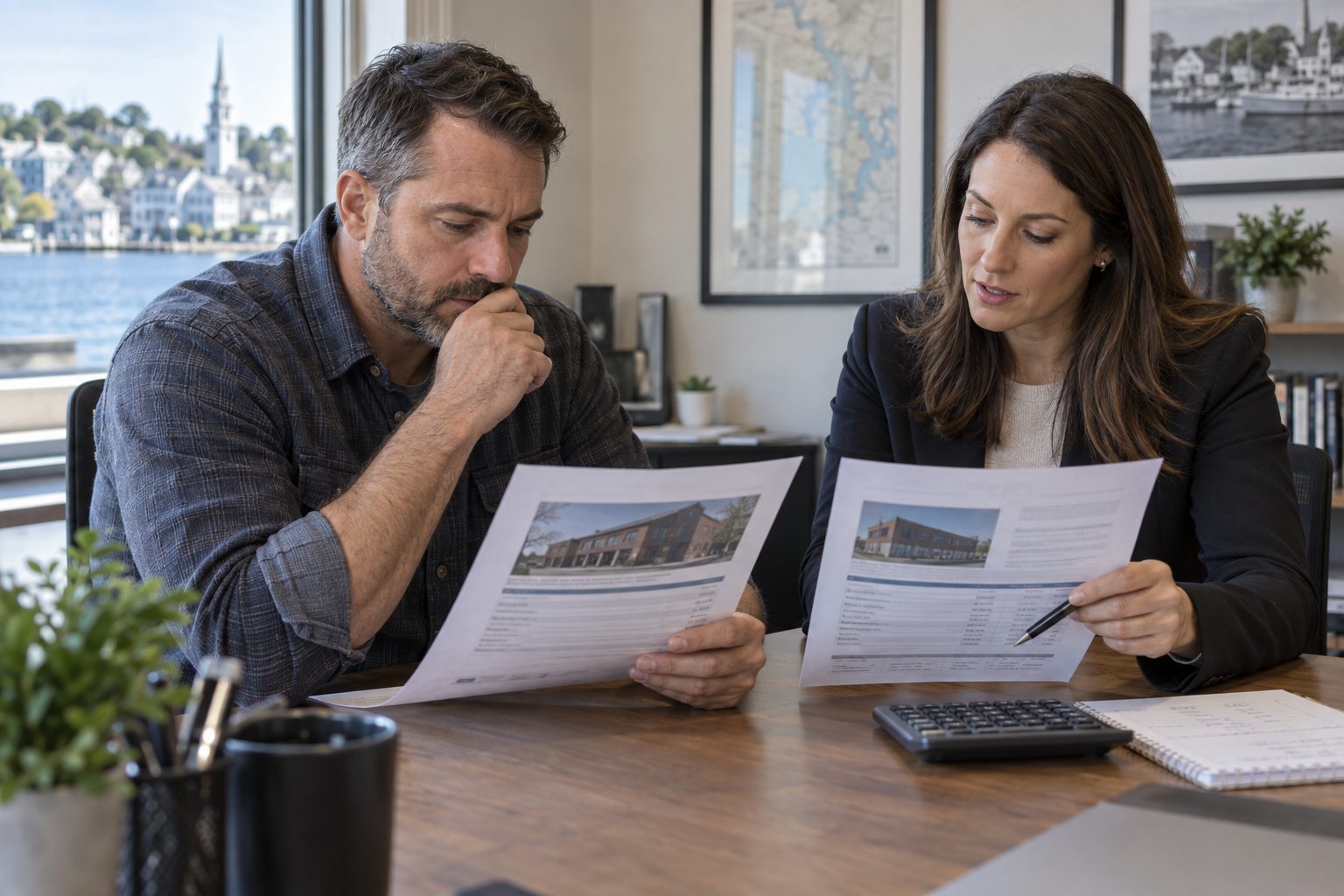
Hotel and Commercial Property Insurance: Where Should Renewal Savings Go?
A practical guide for hotel and commercial-property owners deciding whether to keep renewal savings, lower deductibles, increase limits or restore coverage.
Read post →AI Fraud Insurance Exclusions: Where Coverage Can Break
A large cyber limit can hide a small social engineering sublimit. Learn how voluntary-transfer language, verification conditions, and overlapping crime coverage can affect AI fraud claims.
Read post →
Connecticut Builders Risk Insurance: 2026 Buyer’s Guide
Connecticut builders risk buyers should update project values, timelines and controls. Learn what to prepare and compare for a 2026 placement.
Read post →