
- Home
- Life Insurance
- Health Insurance
-
Personal Lines
Car Insurance Classic Car Insurance Homeowner's Insurance High-Value Home Insurance Condo Insurance Renters Insurance Landlord Insurance Dwelling Fire Insurance Vacant Dwelling Insurance Home Warranty Pet Insurance Flood Insurance Travel Insurance Jewelry Insurance Umbrella Insurance Motorcycle Insurance Watercraft Insurance Event Insurance Personal Articles Floater
-
Commercial Lines
AI Insurance Barbershop & Salon Insurance Builder's Risk Insurance Business Owner's Policy Cannabis Business Insurance Coffee Shop Insurance Commercial Auto Commercial Event Insurance Cyber Liability Insurance Employment Practices Liability (EPLI) Error and Omission General Liability Insurance Ghost Worker's Compensation Policy Hotels, Destination & Resorts Industry Specific Inland Marine Insurance Liability Insurance Real Estate Investors Short Term Rental Small Business Insurance Tattoo Insurance Trucking Insurance Worker's Compensation Pilates Instructors
- About Us
- Resources
Cyber Insurance
Comprehensive guides, expert insights, and practical advice about Cyber Insurance coverage options. Get the knowledge you need to make informed insurance decisions.
Cyber Insurance articles
Everything you need to know about Cyber Insurance coverage, benefits, and protection strategies
AI Payment Fraud Incident Response: What to Do First
The first hour after a fraudulent wire can decide whether funds are frozen or lost. Follow this practical response guide for banks, insurers, evidence, law enforcement, and recovery.
AI Fraud Insurance Exclusions: Where Coverage Can Break
A large cyber limit can hide a small social engineering sublimit. Learn how voluntary-transfer language, verification conditions, and overlapping crime coverage can affect AI fraud claims.
How to Prevent Deepfake and Voice-Cloning Payment Fraud
Deepfake video and voice cloning can make fraudulent payment requests feel real. Use this practical control framework to protect wires, ACH payments, payroll, and vendor changes.
AI Social Engineering Fraud: Is Your Cyber Insurance Ready?
AI voice cloning, deepfakes, and deceptive payment instructions can expose gaps between cyber, crime, and social engineering coverage. Learn how to test your protection before a loss.

AI for Food & Beverage Distributors: Insurance and Risk Questions Leaders Should Ask
AI can help food and beverage distributors improve forecasting and margins, but it also creates cyber, vendor, and operational risk questions.

Manufacturing Cyber Claim Walkthrough: Ransomware, Downtime, and Recovery Costs
A practical manufacturing cyber claim walkthrough showing how ransomware downtime, response vendors, extra expense, and business interruption documentation affect the claim.

Vendor and Supply Chain Cyber Risk for Connecticut Manufacturers
How Connecticut manufacturers should manage vendor and supply chain cyber risk, including MSPs, cloud vendors, EDI, logistics partners, and dependent interruption.

Cyber Insurance vs. Crime, Property, and E&O for Manufacturers
Where cyber, crime, property, equipment breakdown, E&O, general liability, and umbrella coverage respond after a cyber-related manufacturing loss.

Funds Transfer Fraud and Invoice Manipulation Coverage for Manufacturers
How manufacturers should insure and prevent funds transfer fraud, invoice manipulation, vendor impersonation, and payment instruction scams.

Ransomware Controls Manufacturers Need Before Cyber Renewal
The ransomware controls manufacturers should prepare before cyber renewal, including MFA, backups, endpoint detection, patching, vendor access, and incident response.

Cyber Business Interruption for Manufacturers: What Actually Gets Paid?
How cyber business interruption works for manufacturers, including waiting periods, partial shutdowns, ERP outages, extra expense, and claim documentation.

How Much Does Cyber Insurance Cost for Connecticut Manufacturers in 2026?
What Connecticut manufacturers should expect cyber insurance to cost in 2026, and how revenue, controls, limits, downtime exposure, and claims history affect pricing.

Cyber Insurance for Connecticut Manufacturers: The 2026 Guide to Coverage, Controls, and Claims
A practical 2026 guide to cyber insurance for Connecticut manufacturers, including ransomware, business interruption, vendor risk, funds transfer fraud, underwriting controls, and claim pitfalls.

Cyber Risk Assessments & 2026 Underwriting for CT Mid-Market: The 12 Controls
CT mid-market cyber underwriting 2026: 12 control domains, 5 gating controls, 2-3x premium/retention swings at identical revenue. Assessment process and 7 carriers.

Deepfake, Quishing & Smishing: 2026 Cyber Attack Variants & Coverage Gaps for CT Mid-Market
Three emerging social engineering variants now driving mid-market cyber losses: deepfake video/audio, QR phishing, SMS smishing. Policy language gaps and how to close them.

CT Mid-Market Cyber Insurance Cost Breakdown 2026: Line-by-Line Pricing Guide
CT mid-market cyber 2026: $24,000-$95,000 for $5M coverage. Eight coverage parts, $52M manufacturer case study at $30,200, controls leverage, and renewal planning.

Third-Party Cyber Liability for CT Mid-Market 2026: Vendor Risk & Contingent Coverage
CT mid-market contingent cyber coverage: $4,800-$18,500 for $1M-$5M sublimits closing vendor/supply-chain gaps. CT PA 21-59 notification rules, sizing logic, and 7 carriers.

Data Breach Response Costs for CT Mid-Market 2026: Coverage, Sublimits & Panel Vendors
CT mid-market breach response costs $150K-$1.2M per incident. The 7 cost categories, panel vendor importance, and CT-specific notification rules.

Social Engineering & Wire Fraud Coverage for CT Mid-Market: 2026 Sublimits & Structure
Social engineering is sublimited in cyber policies — typically $50K-$250K vs. $250K-$800K average BEC losses. The 4 voiding conditions and how to layer cyber + crime.
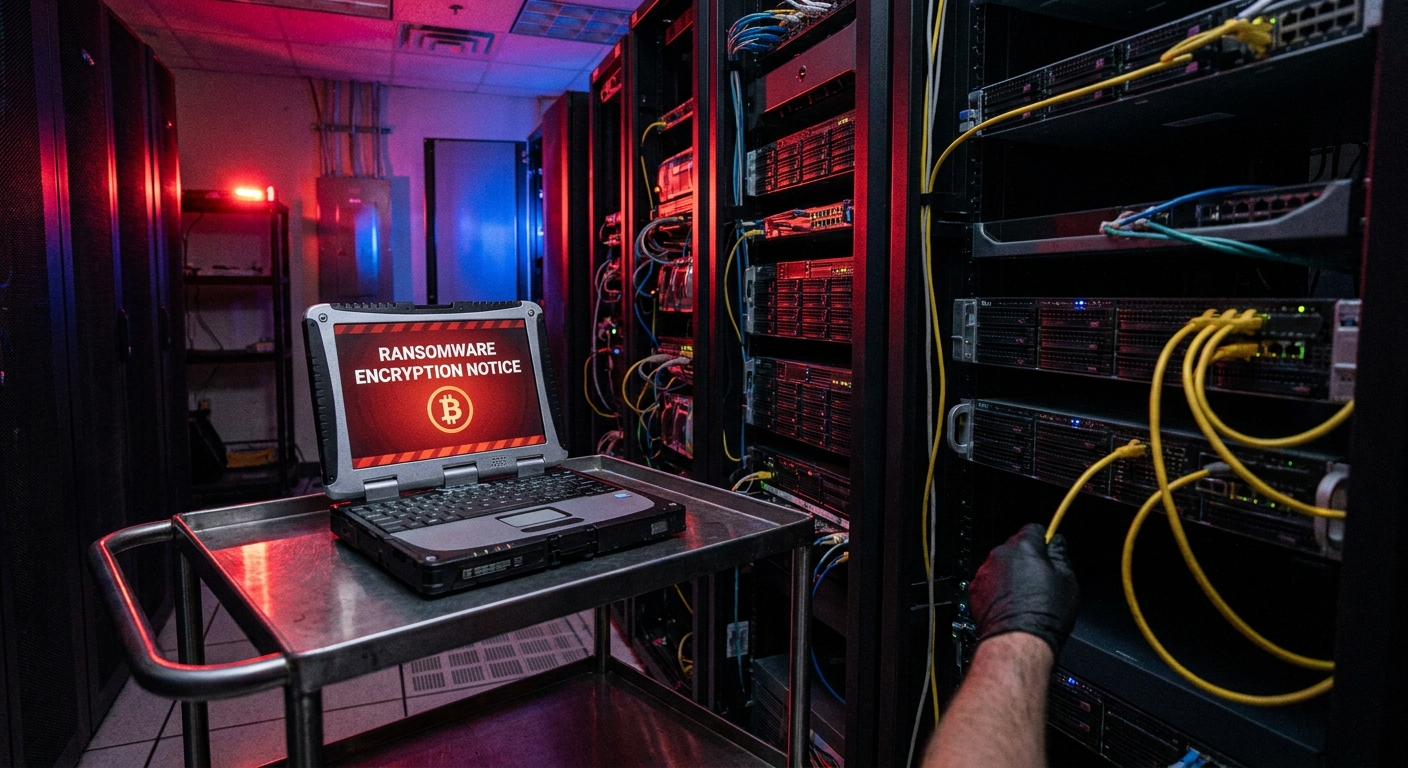
Ransomware Coverage Specifics: Sublimits, OFAC & What CT Mid-Market Policies Actually Pay
Ransomware sublimits often fall well below the cyber aggregate. The OFAC ransom-payment landscape, restoration vs. pay decision, and 2026 CT mid-market premiums.

Cyber Insurance for CT Mid-Sized Businesses: The 2026 Guide ($10M-$100M Revenue)
What CT mid-market businesses ($10M-$100M) need from cyber insurance: $3M-$10M aggregate, 7 mandatory security controls, the 5 policy gaps that hurt mid-market most.

Hotel Cyber Insurance: Protecting Your PMS, POS & Data
Hotel cyber insurance covers PMS breaches, POS card compromise, ransomware, and guest-data lawsuits. Here is what coverage actually responds to a hospitality breach.