Media Liability & E&O Insurance for YouTubers, Podcasters and Documentary Creators

Media Liability & E&O Insurance for YouTubers, Podcasters and Documentary Creators
YouTubers, podcasters, documentary creators, and branded-content teams need media liability or E&O when their content could trigger copyright, defamation, privacy, trademark, clearance, or right-of-publicity claims. General liability usually covers bodily injury and property damage, not the legal risk created by what a creator publishes.
This article is part of the Film, TV, and Content Creator Insurance in Connecticut series. The pillar article explains the full stack; this piece handles media liability in more detail so creators can make the right decision before a client, venue, platform, rental house, or distributor forces the conversation.
The creator market now includes production companies, YouTube channels, podcasts, documentary teams, branded-content studios, wedding filmmakers, corporate video teams, drone operators, and social-first agencies. Their insurance needs overlap, but they are not identical. A one-person channel, a two-camera interview team, and a full commercial shoot should not be underwritten as the same account.
Connecticut DECD explains that qualifying film and digital media productions can receive tax credits of up to 30% for eligible production and post-production expenses. Connecticut Workers' Compensation Commission administers the state workers' compensation system. Connecticut Insurance Department regulates insurance and licensing in the state, and the Insurance Information Institute explains how business policies combine property and liability protection for many small businesses.
What should creators know first?
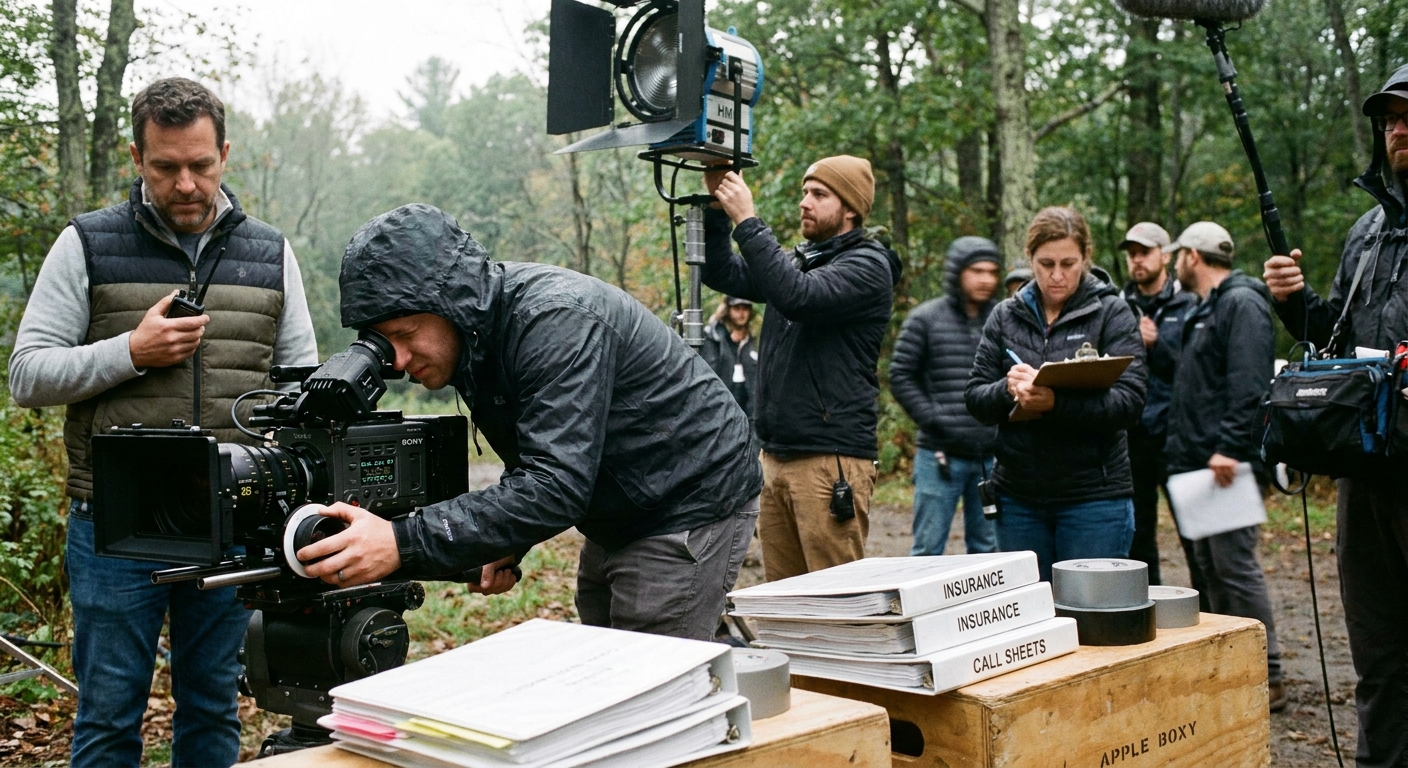
The first rule is that insurance follows the facts. If the work happens only in a home studio, the risk may be mostly equipment, cyber, and media liability. If the work happens in restaurants, schools, offices, venues, public spaces, or on client sites, general liability and certificates become more important. If the creator hires people, drives vehicles, rents gear, or publishes sensitive content, the stack changes again.
At iConn Insurance Solutions, we see the same pattern often: the creator buys a simple policy when the business is small, then the business changes faster than the insurance file. The first brand deal, the first rental-house account, the first employee, the first drone job, or the first documentary subject can make the old setup too thin.
| Question | Why it matters | Owner action |
|---|---|---|
| Where is the work performed? | Controls GL and certificate needs | List studio, client, venue, public, and travel locations |
| What gear is exposed? | Controls equipment and inland marine limits | Keep an owned and rented gear schedule |
| Who helps produce the work? | Controls WC, auto, and crew risk | Classify employees, contractors, vendors, and payroll crew |
| Where is content published? | Controls media liability and E&O needs | Track releases, licenses, platforms, sponsors, and distribution |
What does media liability actually cover?
For Connecticut creators, this topic matters because content itself can be the liability event. The mistake is usually not dramatic at first. It starts with a client contract nobody read closely, a rental-house requirement nobody matched, a shoot location that asks for wording at the last minute, or a policy that was bought for yesterday's business model instead of today's work.
- Defamation and disparagement allegations after an episode, video, or documentary airs.
- Copyright and trademark claims involving music, clips, images, logos, or archived material.
- Privacy, publicity, and consent disputes involving guests, subjects, employees, or customers.
- Errors in sponsored content, brand claims, or educational material that create financial harm.
- Defense costs when a platform, distributor, sponsor, or plaintiff challenges the content.
The practical move is to document the exposure before the quote. A strong submission explains the work, the locations, the gear, the people, the contracts, and the distribution path. Underwriters price uncertainty. Creators who can explain their process usually get cleaner terms than creators who rely on a vague description like video production or social media work.
Who needs E&O before distribution?
For Connecticut creators, this topic matters because content itself can be the liability event. The mistake is usually not dramatic at first. It starts with a client contract nobody read closely, a rental-house requirement nobody matched, a shoot location that asks for wording at the last minute, or a policy that was bought for yesterday's business model instead of today's work.
- Documentary filmmakers covering real people, companies, crime, medicine, politics, or allegations.
- Podcasters who interview guests or publish investigative commentary.
- YouTube channels that review products, businesses, restaurants, contractors, medical topics, or finance topics.
- Creators licensing footage, music, photographs, graphics, or archival materials.
- Production companies delivering work to streamers, broadcasters, platforms, agencies, or brands.
The practical move is to document the exposure before the quote. A strong submission explains the work, the locations, the gear, the people, the contracts, and the distribution path. Underwriters price uncertainty. Creators who can explain their process usually get cleaner terms than creators who rely on a vague description like video production or social media work.
What does underwriting look for?
For Connecticut creators, this topic matters because content itself can be the liability event. The mistake is usually not dramatic at first. It starts with a client contract nobody read closely, a rental-house requirement nobody matched, a shoot location that asks for wording at the last minute, or a policy that was bought for yesterday's business model instead of today's work.
- Release forms and appearance releases.
- Music, image, clip, and archive licenses.
- Fact-checking process and legal review when needed.
- Chain of title for scripts, concepts, and owned IP.
- Prior claims, takedowns, demand letters, and platform disputes.
The practical move is to document the exposure before the quote. A strong submission explains the work, the locations, the gear, the people, the contracts, and the distribution path. Underwriters price uncertainty. Creators who can explain their process usually get cleaner terms than creators who rely on a vague description like video production or social media work.
How does this fit with the broader creator insurance stack?
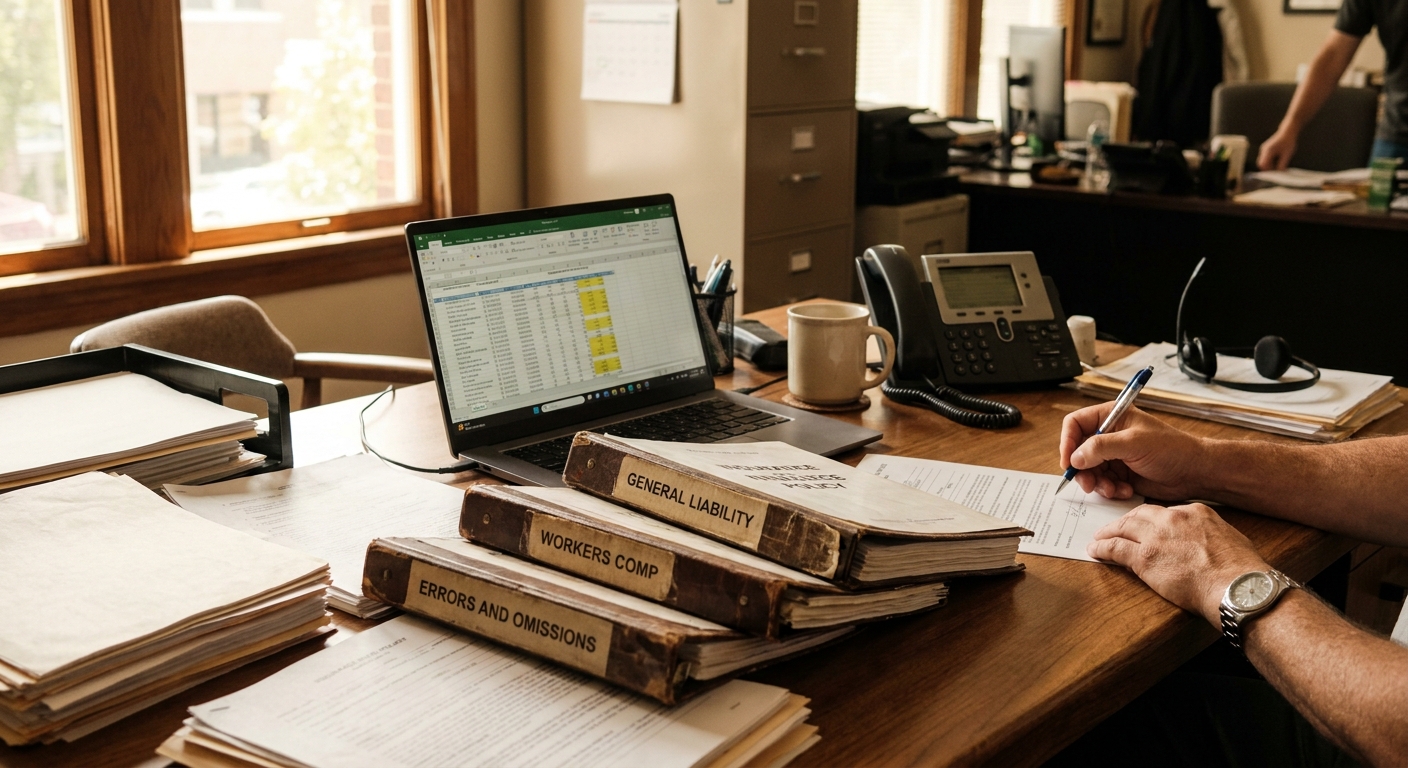
No single article should be read in isolation. A cost guide without media liability can make a policy look cheaper than it is. An equipment guide without auto can miss the drive between locations. A certificate guide without workers comp can satisfy the venue but leave the crew exposure unresolved. The stack needs to be viewed as a system.
For the full overview, start with Film, TV & Content Creator Insurance in Connecticut. For traditional film and production-specific detail, also review our Connecticut film production insurance guide and the Connecticut film tax credit guide.
If your next content job involves a signed contract, a venue certificate, rented gear, drone footage, payroll crew, sponsored content, or public release, ask iConn Insurance Solutions to review the insurance requirements before production week.
Why independent brokers matter for creator businesses
Creator insurance rarely fits neatly into one carrier appetite. One carrier may like simple studio work but not documentary E&O. Another may be strong on rented equipment but weak on podcast media liability. Another may write general liability but exclude drone work. A direct or captive path can leave creators comparing price without seeing the policy traps.
iConn Insurance Solutions works as an independent, multi-carrier agency, so the review can start with how the creator actually earns revenue. Together with our sister agency Insure Connecticut LLC, we help Connecticut businesses compare practical insurance options. For creators turning production work into an agency, studio, or partner-owned business, our cousin firm Wealth America, Inc. can support the financial-planning side of ownership, succession, and liquidity. Insure Connecticut LLC, iConn Insurance Solutions, and Wealth America, Inc. are independently operated companies under common ownership.
Key takeaways
- Creator insurance should match the actual production workflow, not a generic business label.
- Contracts, certificates, gear schedules, crew classification, and distribution plans should be reviewed before the shoot or release.
- The cheapest policy can fail if it misses the claim type most likely to happen.
- Media liability, equipment, auto, workers comp, drone, cyber, and umbrella coverage should be considered as parts of one system.
What clearance habits make media liability easier to place?
Media liability underwriting gets easier when the creator can show a clearance process. That does not mean every small creator needs a studio legal department. It means the project folder should contain signed appearance releases, location releases, music licenses, archive licenses, stock image receipts, sponsor approvals, and a written record of any fact-checking or legal review performed before publication.
For documentaries and interview shows, the hardest issues often involve real people. A subject may regret participating, disagree with the edit, object to a title, or claim the creator implied something defamatory. Good release language and careful editorial records do not prevent every claim, but they give the E&O carrier a better file to defend.
For YouTube channels and podcasts, the repeat exposure is frequency. One video may not feel risky, but a weekly channel creates dozens of opportunities for an allegation involving a person, brand, clip, photograph, song, quote, review, or sponsor statement. Underwriters care about the system behind the publishing rhythm.
Creators should also separate platform compliance from insurance. A platform may allow a clip under its rules while a rights owner still sends a demand. A takedown may be annoying; a copyright or defamation claim can be expensive. Media liability is built for that legal risk.
What Connecticut creators should document before renewal
Connecticut creator businesses should treat renewal as a production audit, not just an invoice. The broker should see how the company actually makes money now: studio work, location shoots, podcasts, YouTube, commercial campaigns, weddings, drone work, editing retainers, agency subcontracting, or production services for out-of-state clients. Those revenue streams point to different coverage needs.
The renewal file should include a current gear schedule, top five client contract requirements, sample certificate requests, payroll or contractor roster, vehicle use notes, drone use notes, media-release process, cyber controls, and any new locations or leased studio space. A creator who can provide that information gives underwriters a cleaner story and gives the broker more leverage.
This is especially important in Hartford, Stamford, New Haven, Fairfield County, and shoreline markets where creators often work across corporate offices, restaurants, venues, universities, municipalities, and private homes. The work may feel flexible, but the insurance file needs to be precise. Flexibility without documentation is what turns a normal shoot into a coverage dispute.
A clean renewal also protects opportunity. When the next brand, venue, school, municipality, rental house, or production partner asks for proof of coverage, the creator can respond with confidence instead of renegotiating the job around an insurance gap.
Frequently Asked Questions About Media Liability
Do YouTubers need media liability insurance?
The answer depends on the creator's operations, contracts, equipment, people, locations, and distribution. In Connecticut, creators should review the policy language before the shoot or publication date, because certificate wording, media liability, equipment limits, and workers compensation questions are much harder to fix after a claim.
Is E&O the same as general liability?
The answer depends on the creator's operations, contracts, equipment, people, locations, and distribution. In Connecticut, creators should review the policy language before the shoot or publication date, because certificate wording, media liability, equipment limits, and workers compensation questions are much harder to fix after a claim.
Do podcasters need insurance for guest interviews?
The answer depends on the creator's operations, contracts, equipment, people, locations, and distribution. In Connecticut, creators should review the policy language before the shoot or publication date, because certificate wording, media liability, equipment limits, and workers compensation questions are much harder to fix after a claim.
What claims does media liability cover?
The answer depends on the creator's operations, contracts, equipment, people, locations, and distribution. In Connecticut, creators should review the policy language before the shoot or publication date, because certificate wording, media liability, equipment limits, and workers compensation questions are much harder to fix after a claim.
Do documentary filmmakers need E&O before festivals?
The answer depends on the creator's operations, contracts, equipment, people, locations, and distribution. In Connecticut, creators should review the policy language before the shoot or publication date, because certificate wording, media liability, equipment limits, and workers compensation questions are much harder to fix after a claim.
Can sponsors require creator E&O insurance?
The answer depends on the creator's operations, contracts, equipment, people, locations, and distribution. In Connecticut, creators should review the policy language before the shoot or publication date, because certificate wording, media liability, equipment limits, and workers compensation questions are much harder to fix after a claim.
What should you do next?
Pull your current policies, client contracts, location agreements, certificate requests, gear schedule, rental contracts, crew roster, vehicle use, drone plan, and publication plan. Then compare that file against the work you are actually selling this year.
For help, request a creator insurance review with iConn Insurance Solutions. We can identify which coverage pieces are already handled, which are missing, and which policy language needs to be fixed before your next shoot or release.
Related Content
AI Payment Fraud Incident Response: What to Do First
The first hour after a fraudulent wire can decide whether funds are frozen or lost. Follow this practical response guide for banks, insurers, evidence, law enforcement, and recovery.
Read post →
Hotel and Commercial Property Insurance: Where Should Renewal Savings Go?
A practical guide for hotel and commercial-property owners deciding whether to keep renewal savings, lower deductibles, increase limits or restore coverage.
Read post →AI Fraud Insurance Exclusions: Where Coverage Can Break
A large cyber limit can hide a small social engineering sublimit. Learn how voluntary-transfer language, verification conditions, and overlapping crime coverage can affect AI fraud claims.
Read post →
Connecticut Builders Risk Insurance: 2026 Buyer’s Guide
Connecticut builders risk buyers should update project values, timelines and controls. Learn what to prepare and compare for a 2026 placement.
Read post →