
How to Insure a Connecticut Cannabis Cultivation Facility: The Property Underwriting Walkthrough
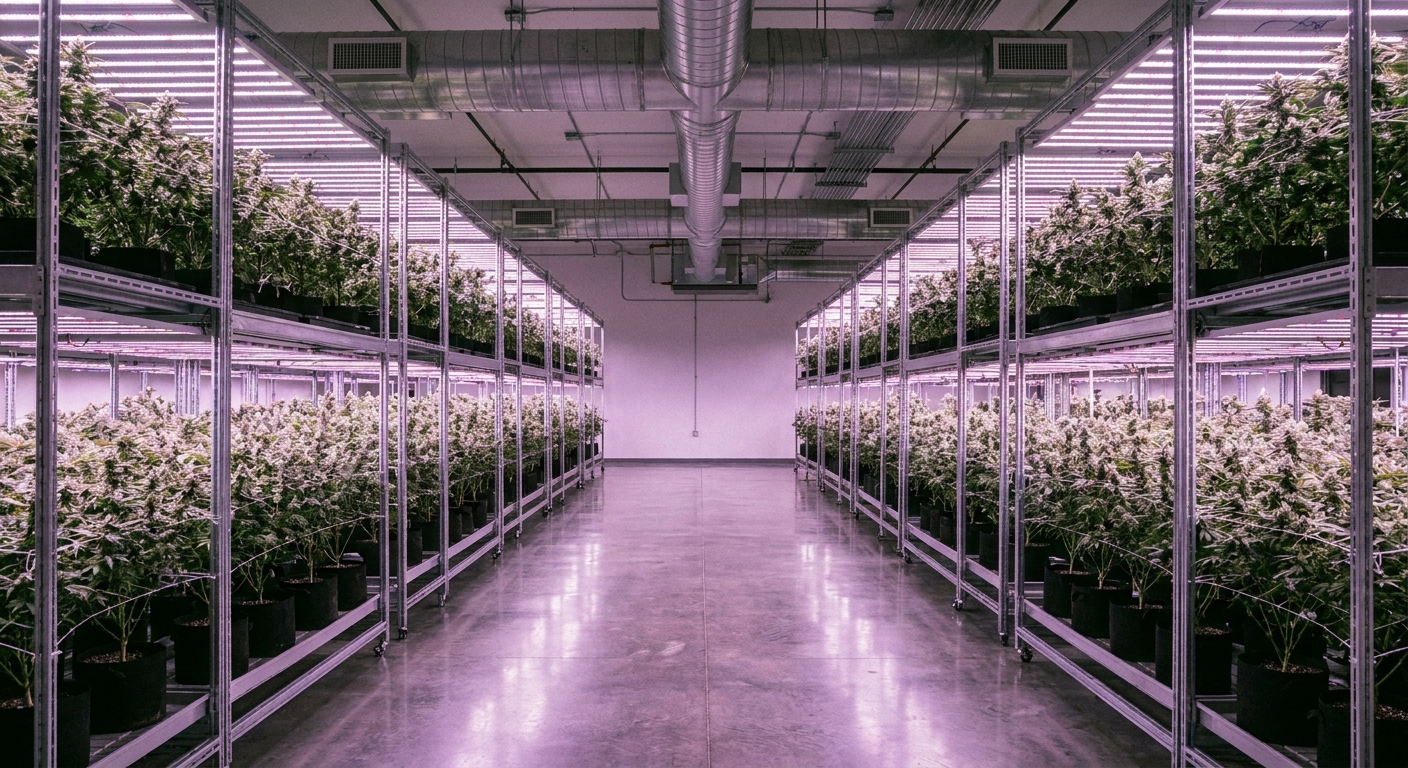
Insuring a Connecticut cannabis cultivation facility is not the same workflow as insuring a standard industrial building. The same building leased to a logistics tenant might rate $0.18 per $100 of value; leased to a cannabis cultivator it rates $1.85 — ten times the premium — because the operation behind the walls is genuinely a different risk. Carriers know this. Underwriters underwrite to it. And landlords who treat the placement like any other commercial property submission lose three to six weeks chasing documents the carrier always wanted and the broker should have requested up front.
This post is the working property underwriting walkthrough for a CT cannabis cultivation facility — building assessment through bound policy — covering every step, every document, and every engineering spec the specialty cannabis lessors risk market actually reviews. It's the process we follow on every CT cultivation placement at iConn Insurance Solutions.
How Long Does It Take to Insure a CT Cannabis Cultivation Facility?
The Cannabis Cultivation Property Underwriting Process, Start to Finish
Eight steps from intake to bound policy. Several can run in parallel if the broker and the building owner coordinate. Here's the sequence:
Step 1
Building intake and operational profile
Before any documentation is gathered, the broker maps the building: construction class, square footage allocation (cultivation vs. processing vs. support), tenant operational profile (cultivation only vs. cultivation + manufacturing vs. extraction), planned canopy area, electrical service capacity, HVAC infrastructure, sprinkler coverage, and any planned buildout. This conversation typically takes 60–90 minutes and produces the underwriting narrative that drives carrier selection.
Step 2
Engineering documentation package
CT cannabis cultivation property carriers want substantially more engineering detail than standard industrial markets. The checklist below covers what we collect on every cultivation placement.
CT Cannabis Cultivation Property Documentation Checklist
- Building appraisal (current — within 24 months) with replacement cost analysis
- Floor plan with cultivation, processing, vault, and support areas labeled to scale
- NFPA-13 sprinkler inspection certificate (most recent) plus contractor name and contact
- Electrical inspection report and service capacity (panel ratings, sub-panel locations)
- HVAC capacity and dehumidification specs — tonnage, manufacturer, install date
- Environmental controls — CO2 generation, humidity control, room sealing details
- Fire suppression and detection details — smoke alarms, heat detectors, sprinkler density
- Security infrastructure — camera coverage map, alarm specs, monitoring vendor and certificate
- Lease (current, executed) including all amendments and any operational restrictions
- Tenant DCP cannabis license documentation
- Tenant's planned canopy square footage and projected revenue
- Loss runs (5 years) for the building, if available
- Recent property tax bill and utility cost summary (12 months)
- Lender mortgagee clause requirements (if mortgaged)
The single most common documentation gap on CT cannabis cultivation placements is the NFPA-13 sprinkler certificate — either it's older than 12 months and needs reinspection, or the certificate doesn't reflect modifications made by the tenant after move-in. Both are fixable, but neither resolves in 48 hours.
Step 3
Market selection and submission
Submission goes to 3–4 specialty cannabis lessors risk markets — typically Continental Heritage and Admiral as lead markets for cultivation, plus Lancer or CannGen depending on operational mix. Standard commercial property markets are skipped entirely; their controlled-substances exclusions make them non-starters. The wholesale submission package includes a cover narrative explaining the building, the tenant operation, the engineering controls in place, and any operational positives the underwriter should weight.
Step 4
Underwriter Q&A and engineering review
Specialty cannabis underwriters engage substantively on cultivation-specific risks. Common follow-up questions: precise HVAC tonnage relative to canopy area, sprinkler density in grow rooms relative to NFPA-13 specs, electrical service adequacy for projected load, moisture-management protocols, and integration of cultivation infrastructure with fire-life-safety systems. This phase typically runs 5–10 business days for a cultivation submission, longer than the equivalent retail or mixed-use placement.
Step 5
Site inspection
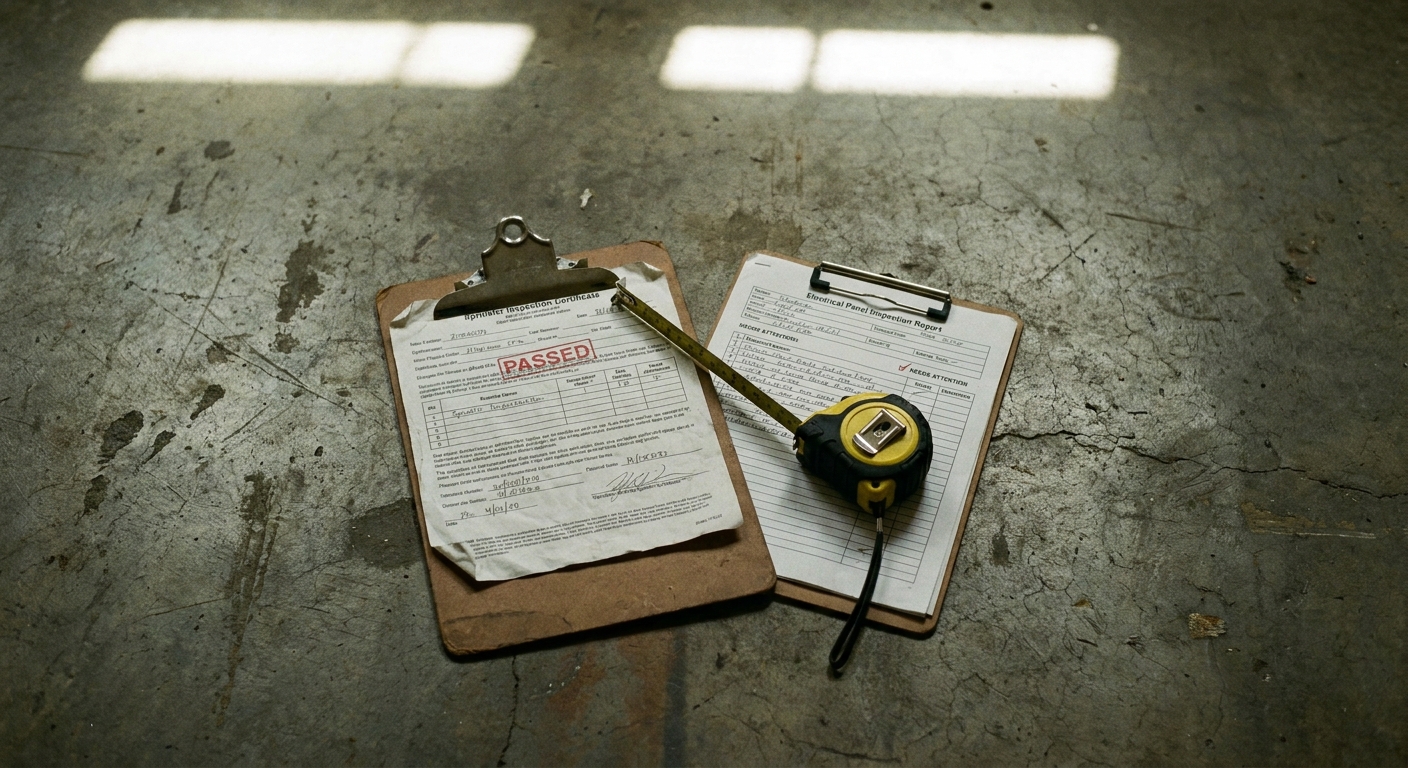
Most CT cannabis cultivation placements include a carrier-funded site inspection — a loss-control engineer visits the building, walks the cultivation rooms, photographs the sprinkler system, checks electrical service, and writes a recommendations report. This inspection is non-negotiable on most cultivation placements over $25,000 in annual lessors risk premium. Schedule with the tenant 5–7 days in advance; inspectors usually need 90–120 minutes on-site.
Step 6
Quote comparison and policy form review
Three to four quotes come back, and the broker produces a side-by-side comparison covering: building limit and basis (replacement cost vs. ACV), Business Income limit and waiting period, equipment breakdown breadth, named perils, ordinance or law coverage, exclusions specific to cultivation (mold, moisture, electrical, environmental), and lender mortgagee acceptance. Premium alone is the wrong selection criterion — for cultivation placements, form quality and loss-control alignment matter more.
Step 7
Subjectivities and pre-bind requirements
Cultivation placements almost always issue with subjectivities — pre-bind conditions that must be resolved before binding. Common subjectivities for CT cultivation: signed warranty of fire suppression maintenance, completion of any inspector-identified recommendations (often electrical or sprinkler-related), submission of monitoring service contract, confirmation of any tenant operational changes since submission. Plan for 5–14 days to resolve subjectivities; complex placements take longer.
Step 8
Binding, policy issuance, and lender notification
Once subjectivities clear, the broker requests bind. The carrier issues a binder letter within 24–48 hours and the full policy form within 30 days. The broker also issues evidence of insurance to the lender (mortgagee), to the municipality if required, and to the tenant for their additional-insured records. Confirm the policy form matches the binder — typos and missing endorsements happen, and they're easier to fix in week one than at first claim.
Engineering Specs That Move CT Cannabis Cultivation Premium
| Spec | What good looks like | What hurts pricing or coverage |
|---|---|---|
| Sprinkler coverage | Full NFPA-13 coverage including grow rooms; current certificate | Partial sprinkler; disabled heads near grow lights; expired certificate |
| Construction class | Non-combustible / fire-resistive (Class 4–6) | Frame / joisted masonry (Class 1–3) |
| Electrical service | Recent panel upgrade, separately metered tenant service, current inspection | Original 1970s panels; tenant modifications without permit; capacity below load |
| HVAC and dehumidification | Tonnage sized to canopy with engineering documentation | Undersized HVAC; no dehumidification; moisture damage visible |
| Security infrastructure | UL-listed central station monitoring; comprehensive camera coverage | Self-monitored systems; gaps in camera coverage; expired monitoring |
| Building age and condition | Recent renovation or new construction; documented maintenance | Deferred maintenance; aging roof; documented water intrusion history |
| Fire detection | Smoke and heat detectors in all rooms tied to central monitoring | Detectors only in common areas; not connected to alarm panel |
Timeline at a Glance: 21-Day vs. 90-Day Placements
| Phase | Clean placement | Slow placement |
|---|---|---|
| Intake + document collection | Days 1–5 | Days 1–21 |
| Submission to markets | Day 6 | Day 22 |
| Underwriter Q&A | Days 7–12 | Days 23–40 |
| Site inspection | Days 10–17 | Days 35–55 |
| Quotes received | Day 18 | Day 60 |
| Quote comparison + selection | Days 19–20 | Days 61–70 |
| Subjectivities cleared | Days 21–25 | Days 71–87 |
| Bind + binder letter issued | Day 25 | Day 90 |
The 21-day path requires building documentation ready before submission, no surprises at site inspection, and prompt subjectivity resolution. The 90-day path is what happens when documentation trickles in, the site inspection identifies issues requiring tenant cooperation, or sprinkler/electrical work has to be scheduled before binding. Both are routine outcomes.
Pre-Submission Building Improvements That Pay for Themselves
If the building has any of these gaps, fixing them before submission usually pays back in premium reduction within 12–24 months:
- Sprinkler coverage upgrades. Bringing a building from partial sprinkler to full NFPA-13 coverage — particularly extending sprinkler coverage into grow rooms — can reduce cultivation lessors risk premium by 15–30%.
- Electrical service upgrade and tenant separately-metered service. A documented panel upgrade and separately-metered tenant electrical service reduces both pricing and the risk of post-bind disputes over what's the landlord's responsibility vs. the tenant's.
- Roof condition documentation. A recent roof inspection report with documented life expectancy materially helps underwriting. Older roofs without documented condition often produce premium loadings.
- Environmental controls and moisture management. Documenting dehumidification, room sealing, and moisture-monitoring protocols differentiates well-managed cultivation buildings from generic industrial space.
- Loss-control engineering report. A pre-submission building assessment from an independent loss-control engineer (often $1,500–$3,500) can identify and document strengths the carrier will credit.
Frequently Asked Questions
Can I get cultivation property insurance before the tenant has its DCP license?
Conditionally yes — most carriers will pre-underwrite a building based on the planned tenant operation and bind subject to DCP license issuance. The policy can effective-date with the license issuance or with tenant occupancy, whichever the lease specifies. Don't bind effective on a future date that depends on uncertain licensing timelines; tie the effective date to a defined event.
Do all carriers require a site inspection?
Most cultivation placements over $25,000 annual premium include a site inspection at carrier expense. Smaller placements may skip the inspection. Operators should expect and plan for it on any cultivation building of meaningful size.
How long does the inspection recommendation list typically take to resolve?
Simple recommendations (signage, fire-extinguisher placement, monitoring contract updates) resolve in 1–2 weeks. Engineering-grade recommendations (sprinkler extension, panel upgrade, vault construction) can take 30–90 days and may require permitting. Plan accordingly; binders typically can't be extended indefinitely while inspection items are open.
Can the tenant be responsible for resolving inspection recommendations?
Lease-dependent. Properly-drafted CT cannabis leases include compliance-with-insurance-conditions clauses that obligate the tenant to bear the cost of any landlord-insurance-driven improvements. Without that clause, the landlord may be stuck with the cost — see our spoke on lease clauses that prevent landlord claim issues.
What's the most common reason a cultivation submission gets declined?
Inadequate sprinkler coverage in the cultivation area. A close second is undersized electrical service relative to projected cultivation load. Both are correctable — but neither is correctable in a way that meets a 30-day submission window once identified.
Key Takeaways
- CT cannabis cultivation property underwriting takes 21–35 days on clean submissions and 60–90 days when documentation isn't ready
- Engineering documentation — sprinkler, electrical, HVAC, environmental controls — drives carrier selection and pricing more than any other factor
- Standard commercial property markets are skipped entirely; placements go to specialty cannabis E&S markets
- Site inspections are routine on cultivation placements over $25K annual premium — plan for them, don't be surprised by them
- Pre-submission building improvements (sprinkler, electrical, documented environmental controls) typically pay back in premium reduction within 12–24 months
- Lease language must align with policy warranties — tenant compliance-with-insurance clauses prevent post-bind disputes
Working With a CT Cannabis Cultivation Property Broker
At iConn Insurance Solutions we walk every CT cannabis cultivation landlord through this full eight-step property underwriting workflow — building intake to bound policy to lender notification — and we do it on a documented timeline tied to the operator's go-live or renewal date. Whether you're a first-time cultivation landlord preparing your initial placement or a portfolio owner shopping a renewal, the discipline is the same: engineering-documented submission, specialty E&S market selection, line-by-line form comparison, and proactive subjectivity management.
For more on CT cannabis real estate insurance, see the landlord guide pillar, premium ranges, the six carriers writing the line, and our in-depth carrier review.
For non-cannabis Connecticut commercial property and industrial placements, see our sister site MyInsureCT.